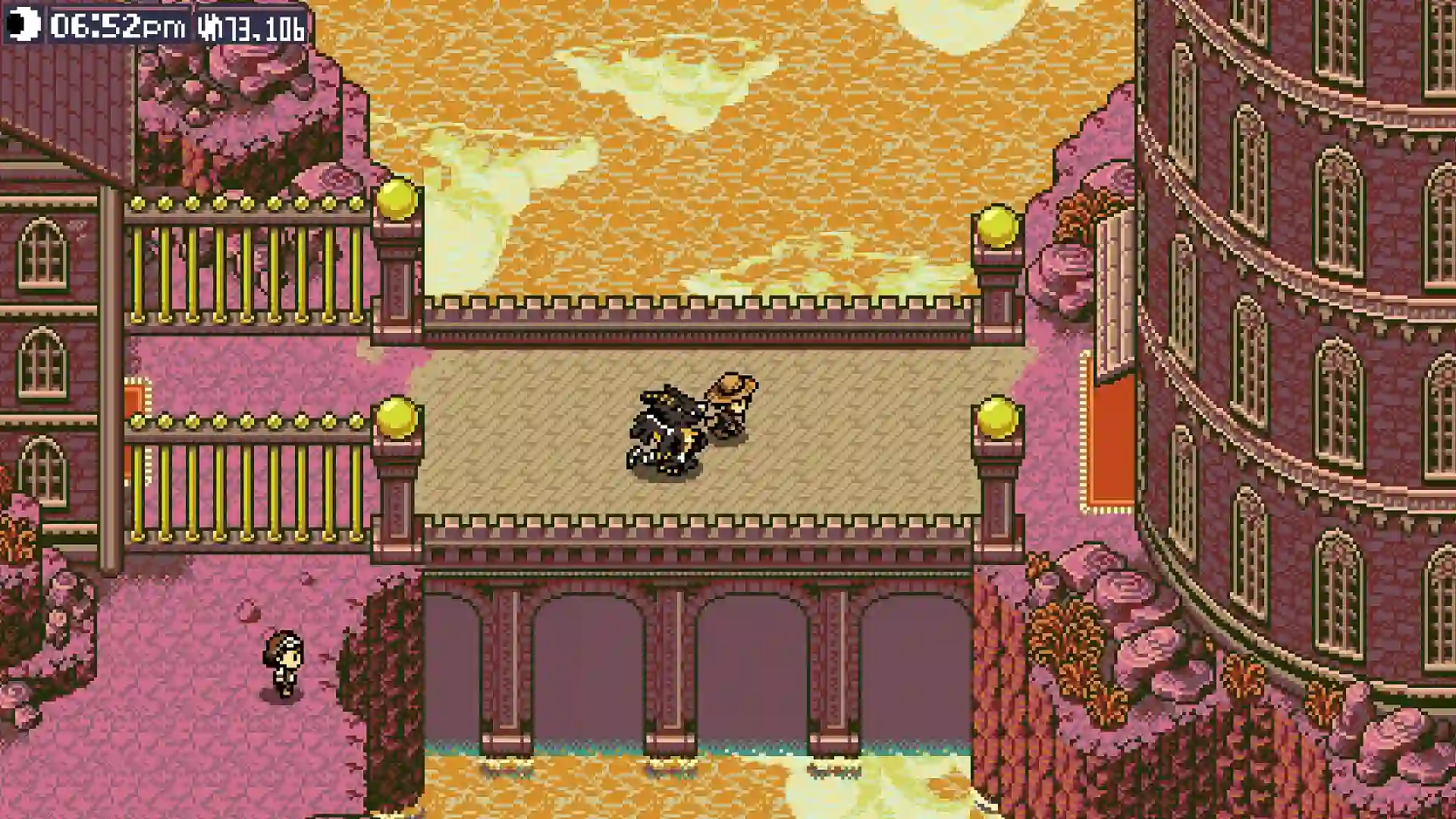
Screenshot by Bonus Action
Monster-taming RPGs live and die by attachment. The joy is not only in building the strongest team, but in remembering where those creatures came from, how they changed, and why they mattered along the way. Monster Crown: Sin Eater understands the mechanical side of that appeal. It gives players breeding and fusion systems with enough flexibility to make each team feel different, and those systems are easily the game’s biggest strength.
What surprised me was how little I ended up caring about the monsters themselves.
That contradiction defines a lot of my time with Monster Crown: Sin Eater. This is a darker, harsher take on the monster-taming RPG, and I appreciate that it has a clear identity. It is not trying to be a clean, cheerful alternative to Pokémon. Its world is meaner, its trainers are more aggressive, and its monster systems are built around experimentation rather than simple collection.
But ambition only carries it so far. Sin Eater regresses in areas where the genre has long since made important quality-of-life improvements, and its attempts at maturity do not always land with the care they need. I respected a lot of what it was going for, but I rarely enjoyed it as much as I wanted to.
Key Details
Release Date: April 30, 2026
Developer: Studio Aurum
Price: $24.99
Platforms: Nintendo Switch 2, PlayStation 5, Xbox Series X|S, PC
Review Code Provided: Yes, For Nintendo Switch 2
Breeding And Fusion Set Monster Crown Apart
The strongest aspect of Monster Crown: Sin Eater is the level of control it gives players over their monsters. This is not a game where creatures are only caught, leveled, and replaced when a stronger option appears. Through breeding and fusion, monsters can be reshaped into something new, which gives team-building depth that helps Sin Eater stand apart from other games in the genre.
This is where the game feels most confident. Experimenting with different monsters and seeing how traits carry forward gives the systems a satisfying sense of possibility. There is a clear appeal to creating something specific to your playthrough, especially in a genre where party composition is such a major part of the experience.
At times, the system reminded me less of Pokémon and more of games like Digimon, where creatures are not just collected but transformed into something else. That gives Sin Eater a stronger identity than being another retro-inspired monster collector.
It also creates one of the game’s bigger emotional problems.
I Never Felt Attached To My Monsters
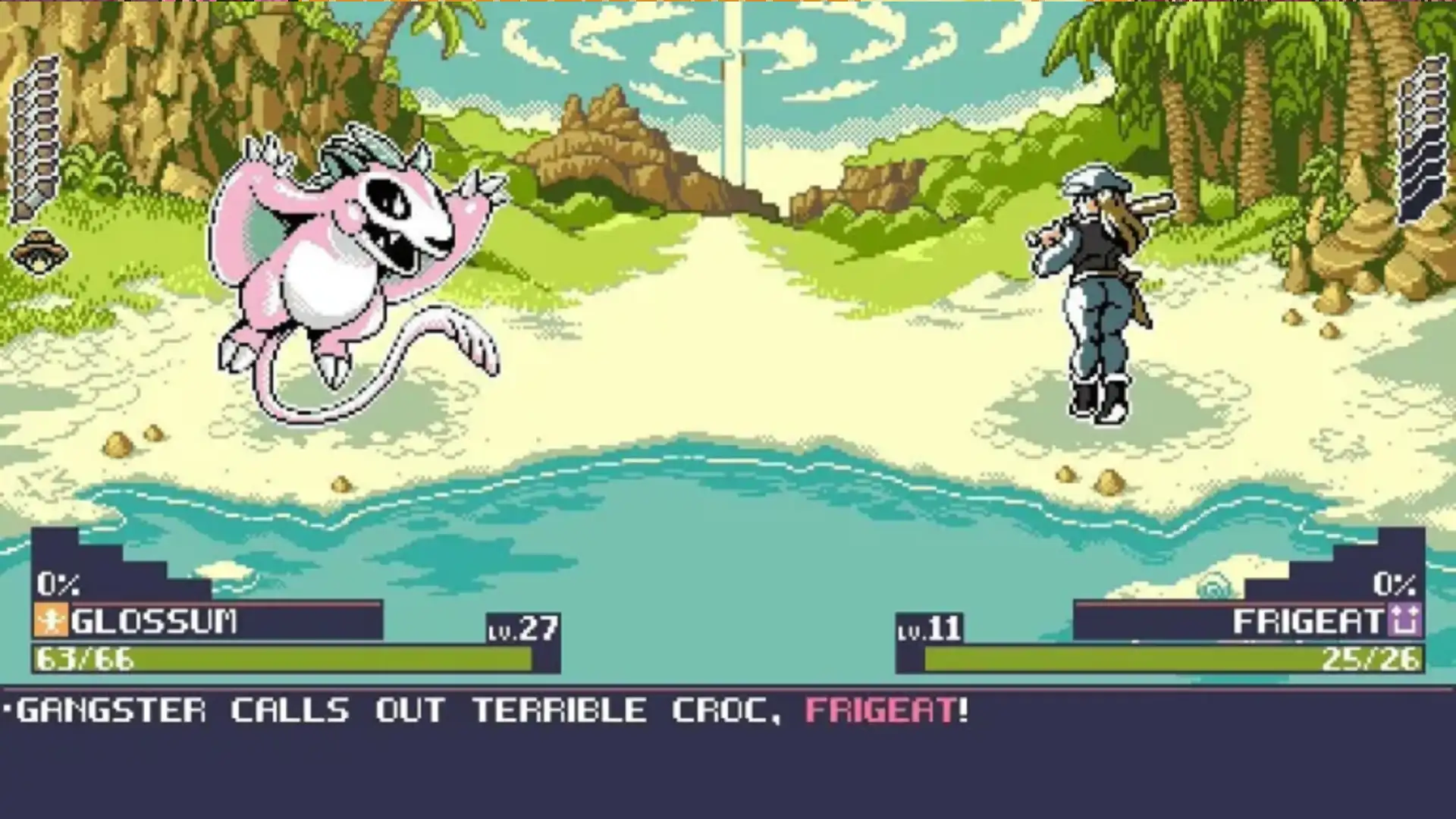
As much as I appreciated the breeding and fusion systems, I never felt especially connected to my team. That includes my starter monster, which should have been the easiest monster to care about.
In Pokémon, a starter often becomes the emotional anchor for the player’s journey. Even when stronger options show up later, there is usually some pull to keeping that first partner around. Monster Crown: Sin Eater never gave me that same feeling. My monsters felt less like companions and more like parts of a build that could be improved, replaced, or folded into something else.
That will not bother every player. Some people will love how flexible the game is and how little it asks them to stay loyal to one team. There is satisfaction in creating stronger or stranger monsters, and the systems have enough depth to reward players who want to dig into them.
For me, though, that flexibility came at a cost. I was often thinking about what my monsters could become, not who they were. In a monster-taming RPG, that missing attachment matters.
RPG Elements Are Limited
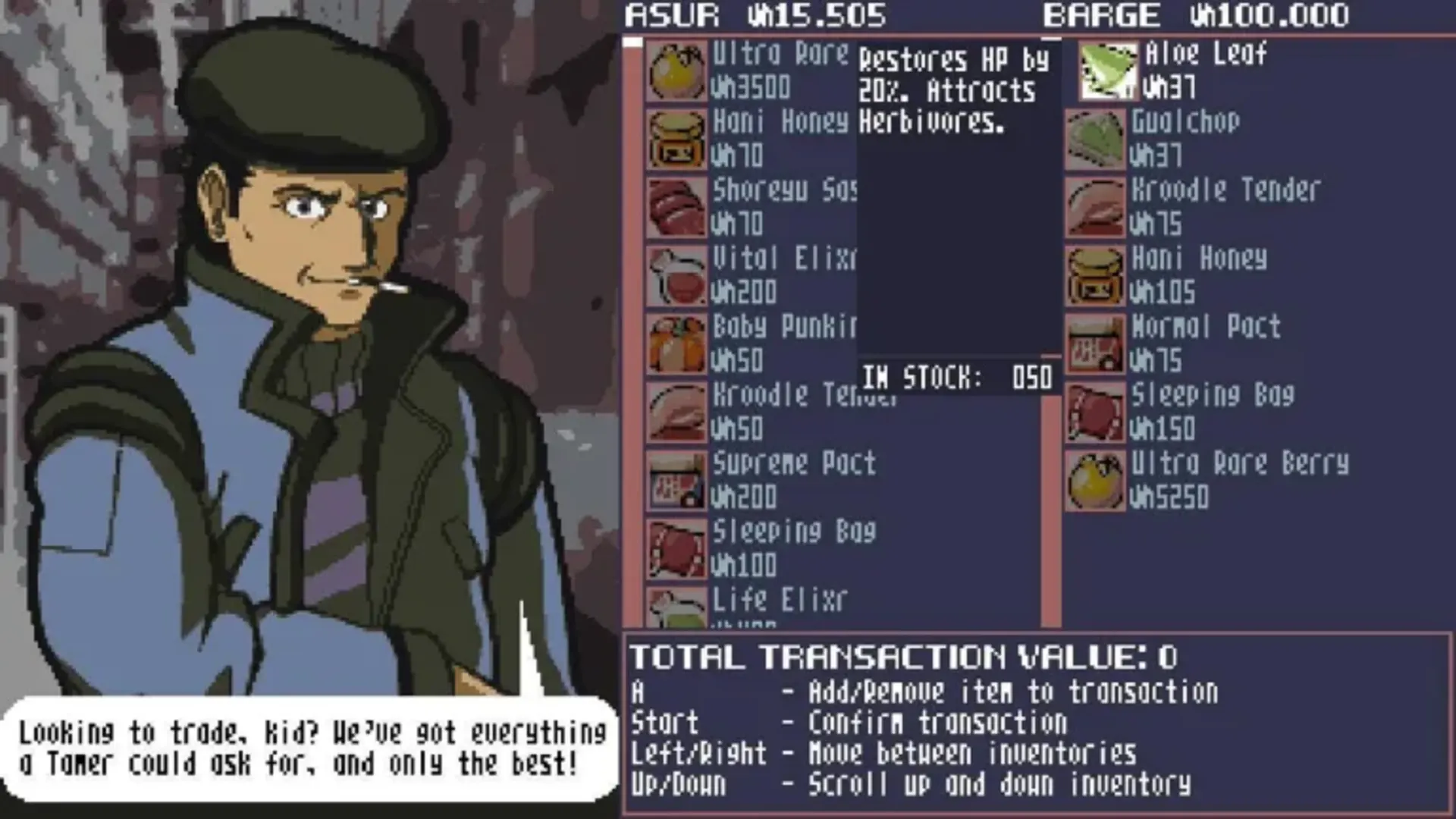
I did appreciate the inclusion of dialogue options. They help conversations feel more interactive and give the adventure a stronger RPG identity. Even simple choices can make a world feel more responsive, and I liked that Sin Eater tries to give the player a voice in certain moments.
That makes the lack of player customization more noticeable. Not being able to choose my character’s gender or name made the adventure feel more rigid than I expected. It is a small issue on its own, but in a game that puts so much emphasis on personally shaping a team, the absence stands out.
Sin Eater gives players a lot of freedom in shaping their monsters, but far less freedom in shaping the person leading them.
Contracting Monsters Lacks Excitement
Another place where Monster Crown: Sin Eater feels oddly flat is in the act of adding monsters to your team.
Instead of catching monsters, players “contract” them. As an idea, this fits the world well enough. It gives the relationship between humans and monsters a slightly different texture, and it helps separate Sin Eater from the usual monster-catching language.
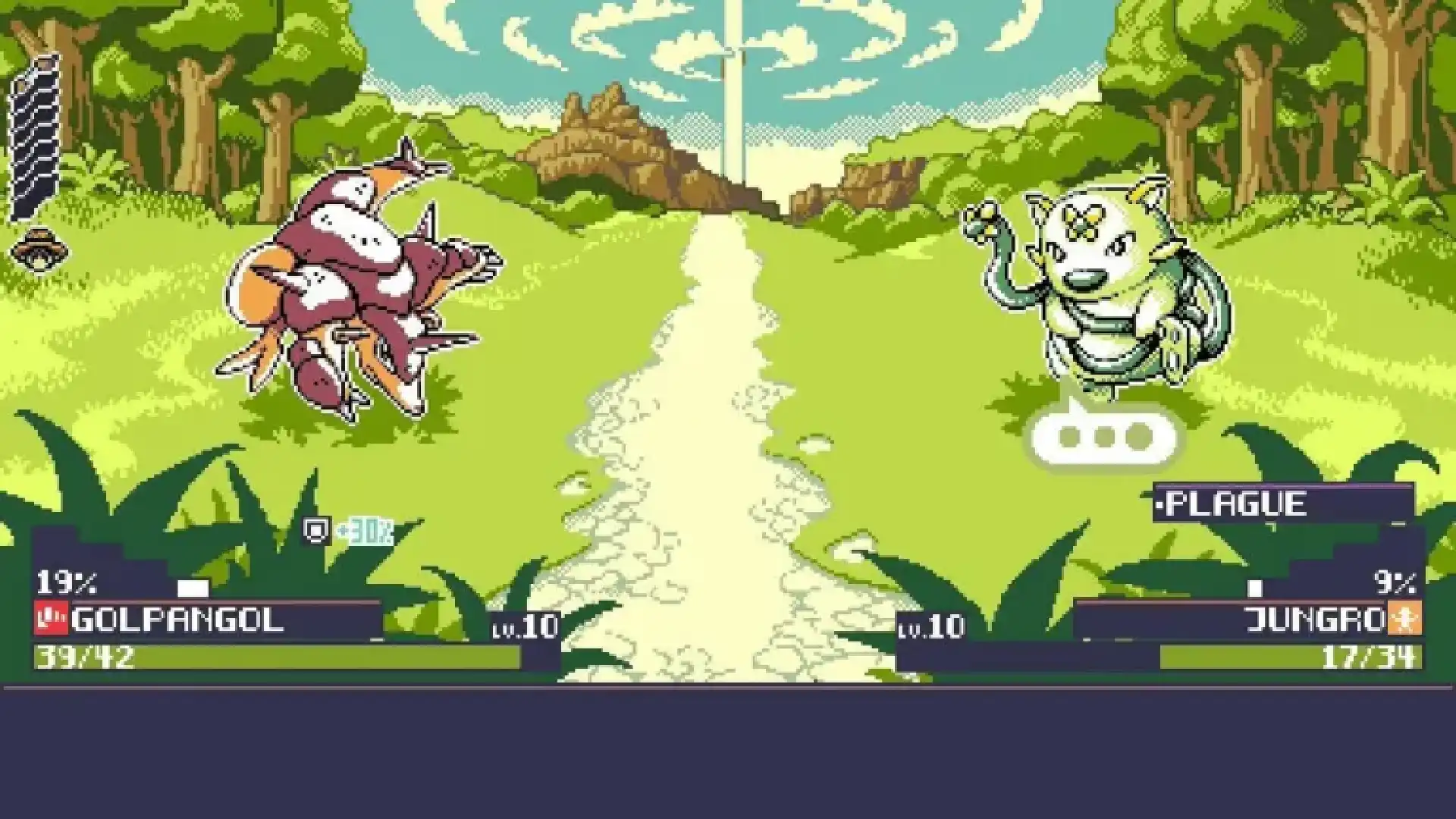
The problem is the presentation. When contracting a monster, the game uses a small speech bubble with ellipses that eventually turns green if the monster agrees. It works mechanically, but it lacks suspense. There is no real anticipation and no memorable animation to make the moment exciting.
That might sound minor, but presentation matters in this genre. Watching a Poké Ball shake works because it turns a simple action into a tiny moment of drama. Contracting monsters in Sin Eater rarely gave me that feeling.
Experimentation Is Hurt By Outdated Mechanics
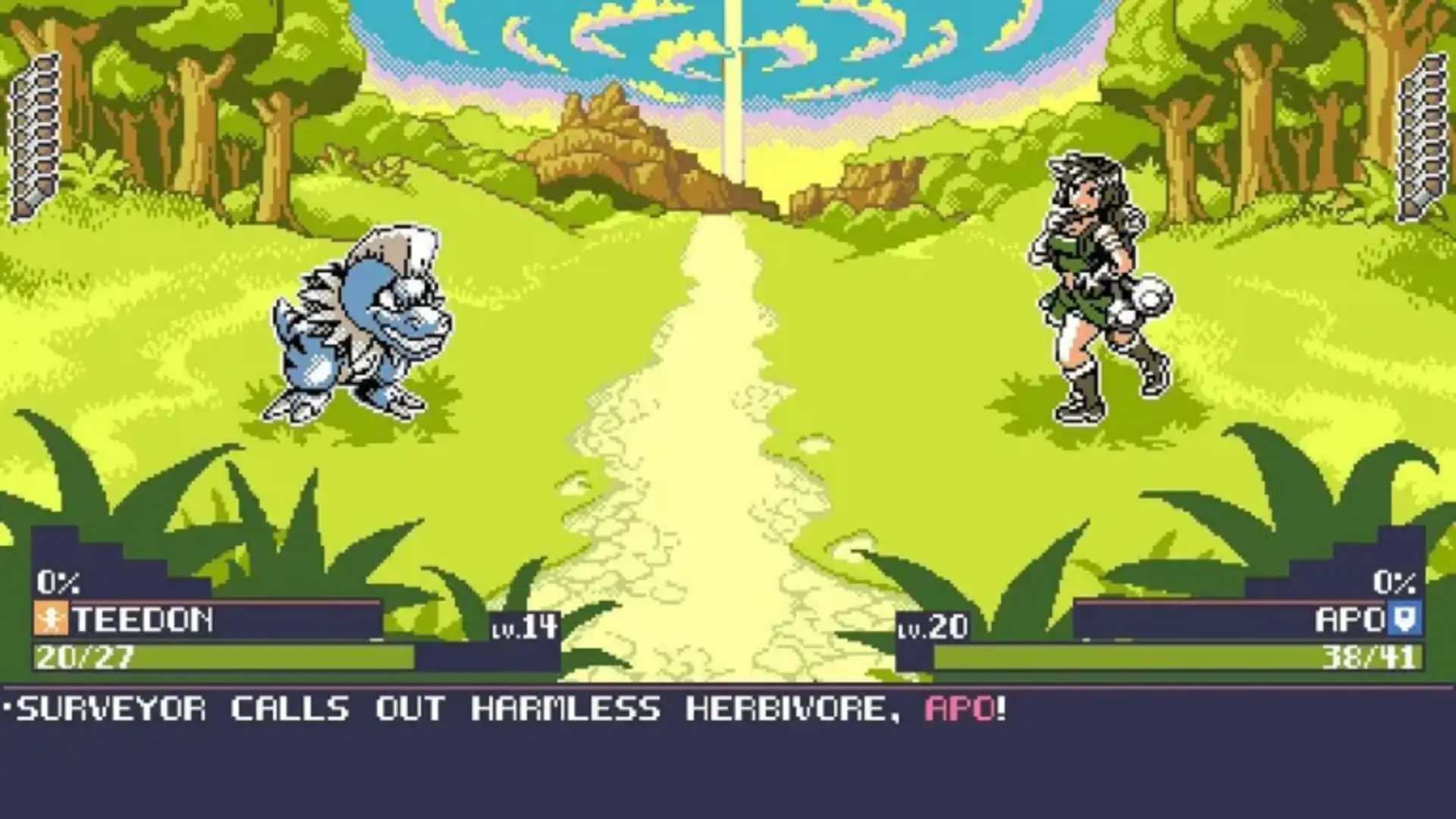
One of the stranger things about Monster Crown: Sin Eater is that its most ambitious systems sit next to some surprisingly dated design choices. The game clearly wants players to experiment with different monsters, but it does not always make that experimentation easy.
The biggest issue is the lack of experience sharing. Leveling up individual monsters can become a pain, especially when trying to invest in a new creature or bring a weaker monster up to speed. In a game built around breeding, fusion, and testing different team combinations, this creates a frustrating contradiction. Sin Eater wants players to care about building the right team, but it makes preparing that team more tedious than it needs to be.
There were times when a significant amount of my playtime was spent grinding just to make certain monsters viable, whether that be for a spot on my team or for more powerful fusions. That undercuts the excitement of finding or creating something new. Instead of immediately wondering how a new monster could fit into my team, I often had to consider how much work it would take before that monster could contribute.
I do not need every monster-taming RPG to copy modern Pokémon, but some genre conveniences exist for a reason. When a game is built around party experimentation, forcing players to grind individual monsters slows down the part of the game that should feel exciting.
Trainer Battles Make The World Feel Dangerous But Unbalanced
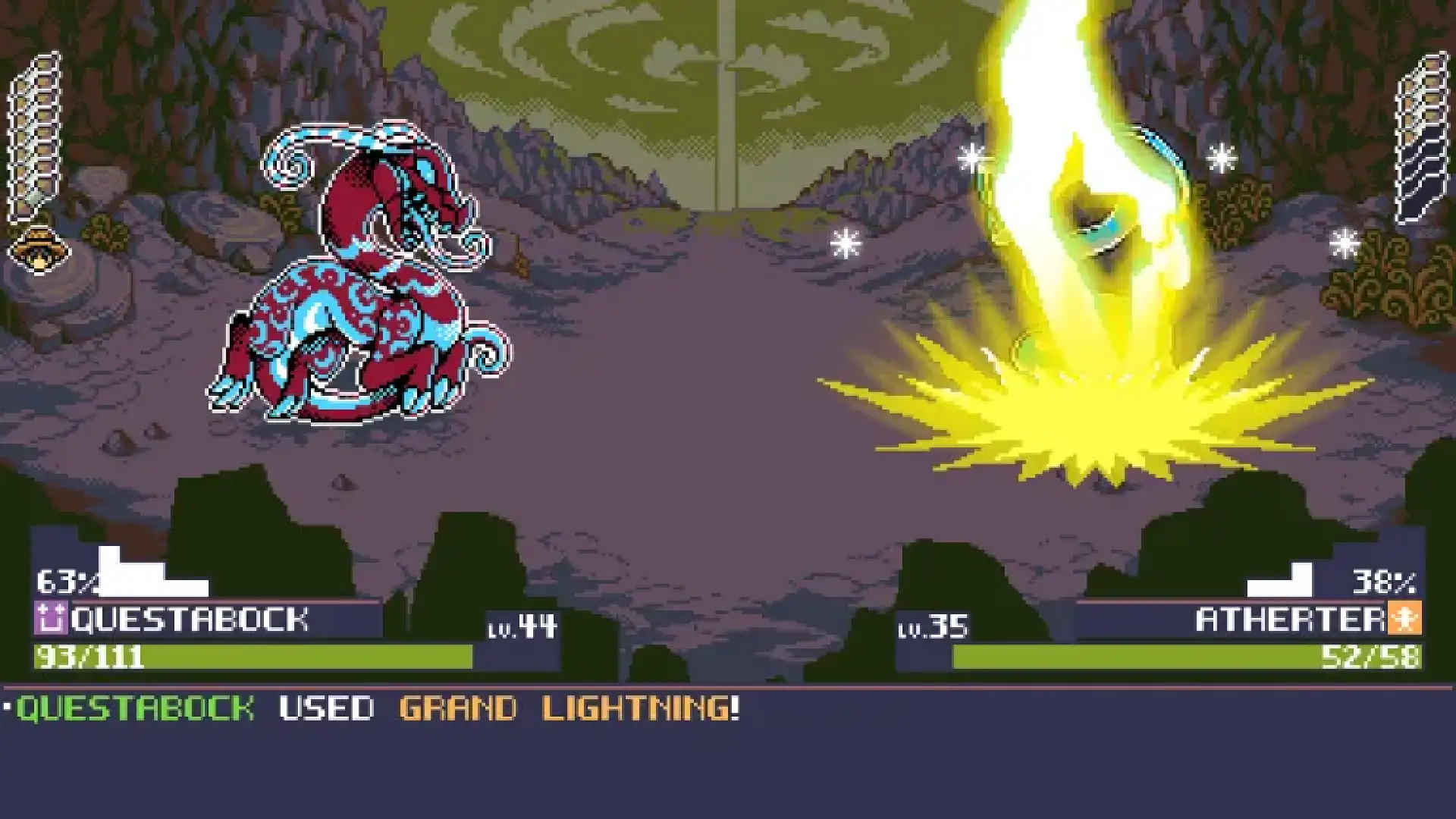
One change I did like, at least in theory, is how enemy trainers behave in the world. Instead of waiting passively for me to step into their line of sight, rival trainers — usually bandits or some other hostile force — actively chased me down.
That small change does a lot for the tone. When my team was worn down, and I was in no shape for another fight, seeing an enemy trainer sprint toward me created a kind of anxiety that most games in this genre do not usually have. It makes the world feel less safe, which fits the harsher story Sin Eater is trying to tell.
The problem is that this tension is not always matched by fair balancing. Early in the game, these encounters can feel punishing before the player has had enough time to build a strong or diverse team. I liked the pressure of being hunted by hostile trainers, but at the start of the game, when my options were limited, and my monsters were not ready to respond to what the enemy had, those fights could feel less like thrilling danger and more like being punished before I had the tools to fight back. Because monsters do not evolve on their own, players will likely be stuck with the same three or four monsters available to them before they’re jumped by a random bandit with double their roster.
The balance problems also cut in the other direction. Once I had a better grasp on breeding and fusion, some wild encounters started to feel trivial, even as certain trainer battles still felt capable of catching me off guard. Sin Eater is not simply too hard or too easy; it is uneven in a way that makes progression feel unpredictable.
It is one of the clearest examples of Sin Eater having a strong idea that needed more careful tuning.
The Darker Story Is Not Always Handled Well
Monster Crown: Sin Eater deserves credit for wanting to be stranger and darker than many of its peers. Its world is harsher, its enemies are crueler, and its story is clearly aiming for something more mature than a simple journey to become the best monster trainer.
But darker does not automatically mean better, and Sin Eater does not always handle its material with enough care.
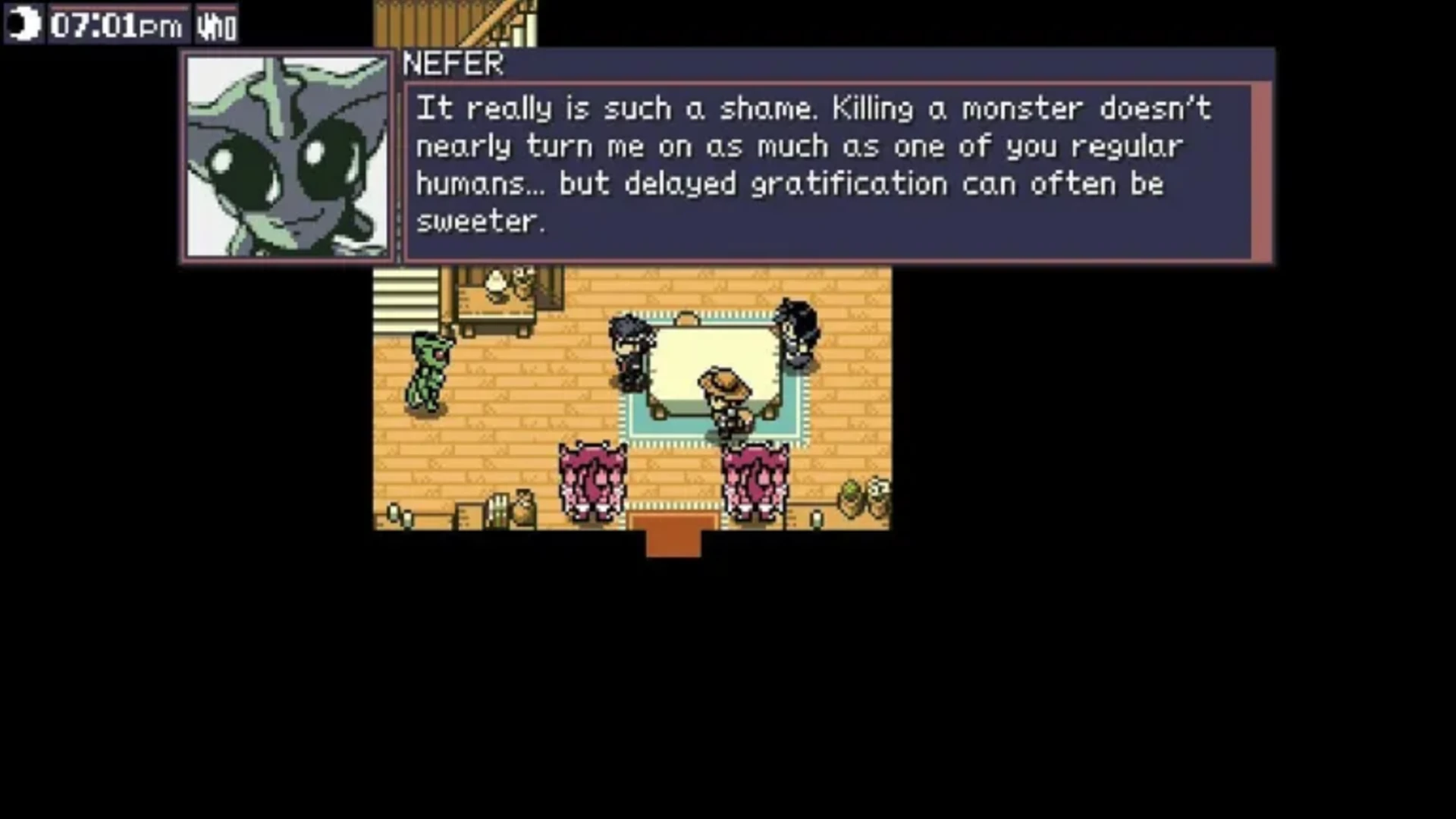
The opening introduces a villain with a strange fixation on sexualized violence, and it made the story feel more awkward than unsettling. The issue is not that the game includes violence or mature subject matter. A darker monster-taming RPG can work, and there are moments where that harsher tone gives the world more identity. The issue is that Sin Eater reaches for shock value before the story has earned that level of intensity.
That discomfort is especially clear in the villain’s dialogue, which repeatedly frames heinous acts of violence through mature, charged language. Rather than making the character more frightening, it made the writing feel distracting and heavy-handed. There is a difference between disturbing the player with purpose and leaning on ugly dialogue to prove a story is mature, and Sin Eater does not always land on the right side of that line.
There are good ideas in the story, and I appreciate that Sin Eater is not content to be another lighthearted monster-collecting adventure. But maturity requires more than harsh subject matter. It also requires restraint, context, and purpose. Sin Eater has moments where its tone works, but it also has moments where it feels like it is trying too hard to prove it is not for kids.
Final Score – 6.5/10
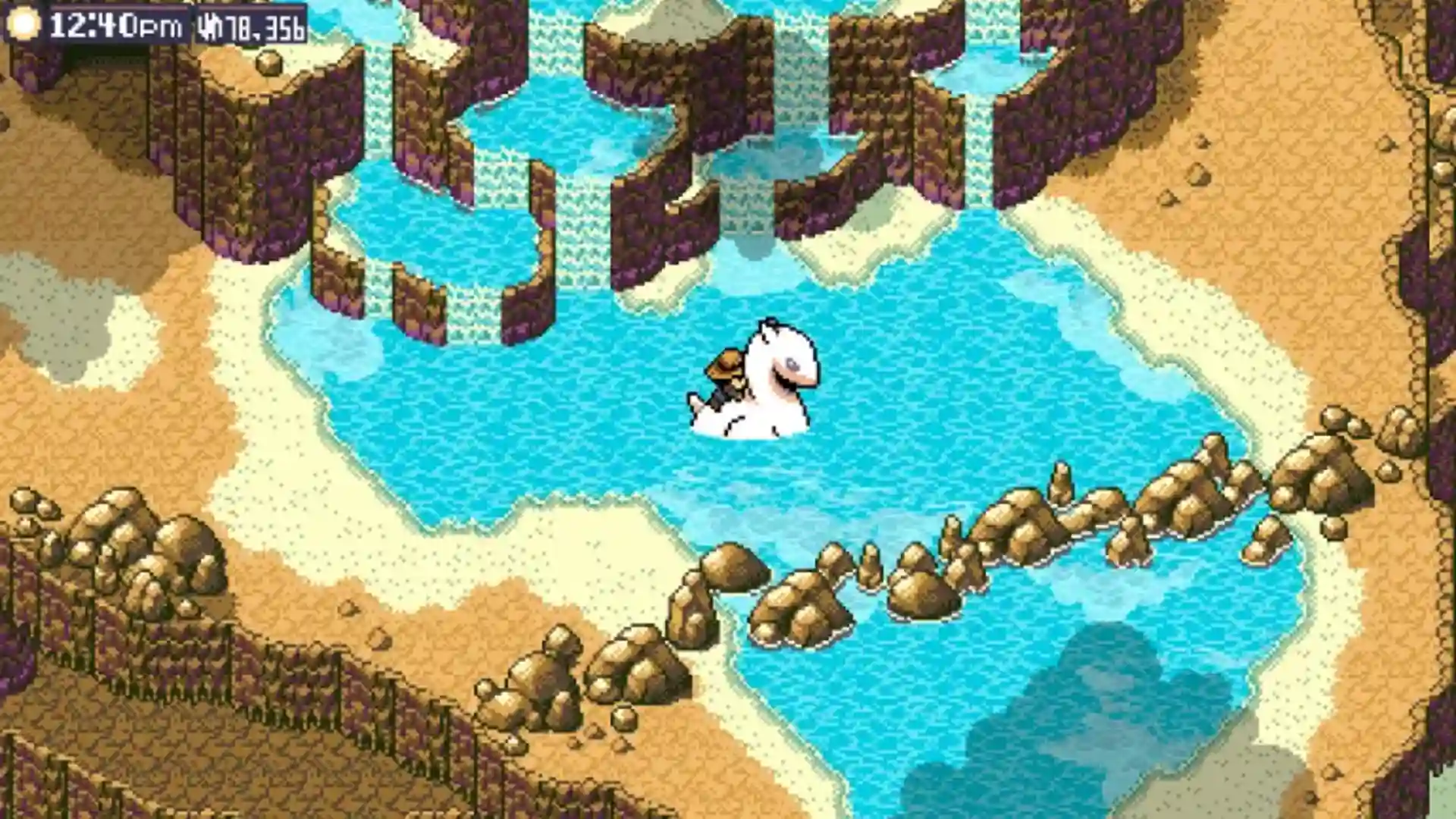
Monster Crown: Sin Eater is a game I wanted to like more than I did. Its breeding and fusion systems are genuinely compelling, and they give it an identity beyond simply being another retro-inspired monster-taming RPG. I also respect its willingness to create a harsher world, where exploration feels dangerous, and enemy trainers are not content to stand around waiting for the player.
But too much of the experience is held back by friction. Training is a grind. Battles can feel unbalanced. The darker story sometimes crosses into awkward shock value. Contracting monsters lacks the excitement that monster collecting needs. Most importantly, I never formed the kind of attachment to my team that I want from this genre.
There is still something worthwhile here for players who love monster-taming systems and do not mind rough edges. If breeding, fusion, and deep party customization are what you value most, Monster Crown: Sin Eater may be easier to forgive.
For me, its best ideas were too often buried under dated design choices and uneven execution. Monster Crown: Sin Eater has ambition, personality, and a few genuinely strong systems. It just does not turn those strengths into a consistently rewarding adventure.
**Bonus Action was provided with a Nintendo Switch 2 copy of Monster Crown: Sin Eater for the purpose of this review.**
About the Author

Discover more from Bonus Action
Subscribe to get the latest posts sent to your email.