via Metaphor Games, Shoreline Games
Celestial Return is preparing for its Steam launch, and Metaphor Games is using its latest devlog to better define what players should expect from the upcoming narrative RPG. While the game has often been compared to Disco Elysium and Citizen Sleeper, the studio is making the case that its focus is a little harsher: the cost of surviving in a city designed to wear people down.
Devlog #2 arrives ahead of the game’s May 7 release and explores how Celestial Return uses dice, branching choices, and tabletop-inspired structure to create pressure around every decision. Rather than presenting success as something players can chase endlessly, Metaphor Games is framing Detective Howard’s journey through Netherveil City as one where caution and compromise may matter just as much as bold choices.
Celestial Return Wants To Be More Than Its Influences
Metaphor Games is embracing comparisons to Disco Elysium and Citizen Sleeper , crediting both games as major influences on how it thinks about narrative RPGs. But the devlog makes clear that Celestial Return is not trying to simply repeat what came before. Instead, it is using those inspirations as a starting point for a story about pressure, survival, and what people give up in order to keep going.
That distinction is important for Howard, who does not appear to be a traditional heroic detective. Netherveil City is shaped by hierarchy, surveillance, and corruption, meaning success is not just about being clever enough to solve the case. It also depends on what Howard can risk, what he can access, and when he knows not to push further than he can afford.
Dice Make Every Decision More Expensive

The clearest example of that design philosophy is the game’s dice system. In Celestial Return, dice are not an unlimited tool that players can use to force the best outcome. They are a finite resource tied to risk, progression, and survival.
That means players should not expect to brute-force every conversation, confrontation, or investigation. The devlog explains that Howard will not have enough dice to dominate every encounter, which turns preparation into a major part of the experience. Exploring the city, gathering information, and knowing when to hold back can be just as important as advancing the main quest.
It is a strong fit for a detective story set in a city that seems ready to punish overconfidence. If dice represent luck, then spending them becomes a question of how much danger the player is willing to invite. A poorly timed gamble may not only block a better outcome but leave Howard exposed when the next problem arrives.
Netherveil City Puts Pressure On Every Choice
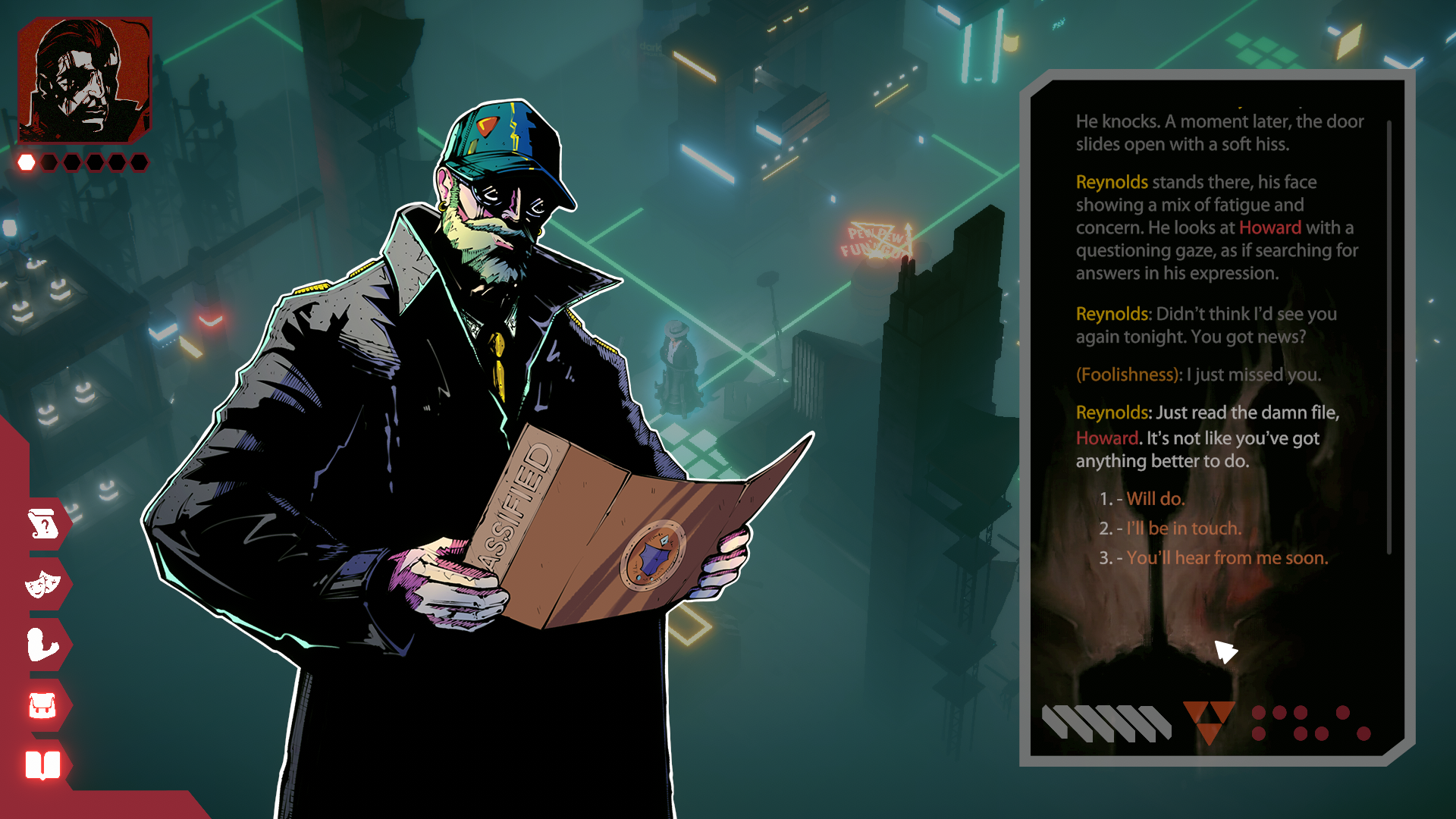
Metaphor Games has also cited Blade Runner as a major tonal influence, particularly in its sense of alienation and the way people can feel trapped beneath systems much larger than themselves. That colder perspective seems to shape Netherveil City as much as the murder mystery driving the game forward.
Howard’s search for answers quickly veers into stranger territory, as the dead refuse to stay buried and the city’s corruption begins pushing back against his investigation. That setup helps explain why Metaphor Games is framing Celestial Return less as a story about winning and more as one about what survival takes from the person trying to endure it.
About the Author

Discover more from Bonus Action
Subscribe to get the latest posts sent to your email.