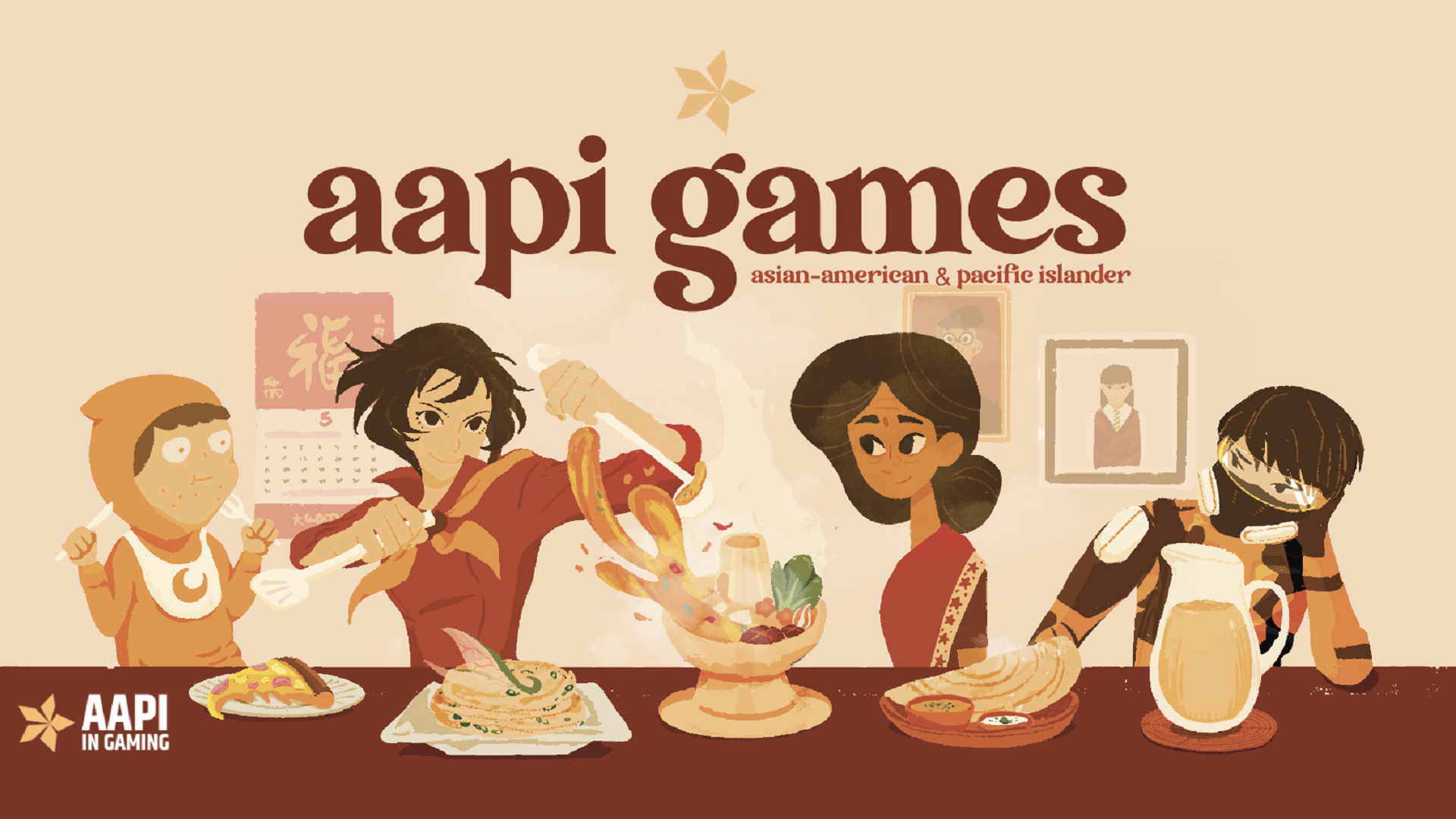
via AAPI In Gaming
The games industry has no shortage of Asian influence, but Shavonne Yu saw far fewer spaces built for the Asian American and Pacific Islander (AAPI) diaspora.
That absence became clear a couple of years ago, when Yu, co-founder and co-chair of AAPI in Gaming, was looking through the International Game Developers Association’s website. The IGDA hosted several affinity groups dedicated to different communities in the industry, but for the broader Asian American and Pacific Islander diaspora, there was nothing comparable.
“I was looking at the IGDA website, the International Game Developers Association, and they had different affinity groups, or special interest groups,” Yu told Bonus Action. “There was one for Black in gaming, there was one for Latinx in gaming, there was even one for Chinese in games, but when I clicked their website, it was totally dead. They weren’t super active. And I noticed, compared to other groups, they were lacking an AAPI one.”

At the time, Yu was working at Meta as a product designer and looking for ways to move closer to the games industry. But as someone on a work visa in the U.S., quitting her job and fully pivoting into games was not a simple option. Instead, she started thinking about the kind of community she would want to exist if she ever released a game of her own, especially one rooted in heritage, identity, or diaspora.
“I was kind of frustrated with my job and wanted to get more into games,” Yu said. “But I was still working, and I was on my work visa in the U.S., so I couldn’t just immediately pack up and leave. So I was like, how can I get more into games while building the sort of community that I would want to see if I launched an indie game? I don’t want to just build it around me and my brand. I want to be able to help other people down the line if I build a game about my heritage.”
Creating A Space For The Diaspora
That idea eventually became AAPI in Gaming, a volunteer-run community platform Yu established with co-founder Mika Dilig to support AAPI voices in the games industry. On its website, the organization says it aims to “amplify the voices of the Asian American and Pacific Islander diaspora in the gaming industry, promote cultural appreciation, and highlight representation in games and related content.”
The organization’s work goes beyond visibility. AAPI in Gaming offers career counseling, resume reviews, mock interviews, mentorship, Steam recommendations, game jams, livestreams, and an AAPI game directory. Its Discord includes channels for different disciplines, giving developers, artists, writers, and other creatives a place to ask questions, share work, and find support.
For Yu, that kind of infrastructure matters because games still lag behind other forms of media when it comes to nuanced AAPI representation.
“Even though movies are seeing AAPI representation more so now than maybe a few years ago, the same can’t really be said for games,” Yu said. “People still conflate being from Asia with people who are diasporic and live in other places, especially in gaming, because so much of gaming is from Asia, like Nintendo and Capcom. People kind of don’t see people of color here equally.”
Why Representation In Games Still Matters

That distinction, between Asian games and Asian American or Pacific Islander diaspora stories, sits at the heart of AAPI in Gaming’s work. The global games industry has long been shaped by studios and developers from Japan, Korea, China, and other parts of Asia. But that does not mean Asian Americans, Pacific Islanders, or diasporic developers in the West are automatically seen, supported, or understood.
Representation in games is often flattened into visibility alone: a character design, a voice performance, a setting, a cultural reference. Yu’s concerns go deeper. She sees media as part of a broader ecosystem that shapes how people understand and treat one another.
“Especially during COVID, it seemed like it mattered a lot more because my friends were getting physically harmed as a result of all these things that trickled down,” Yu said. “So even if sometimes it’s like, ‘Oh, they’re just games, who cares, whatever, it doesn’t matter,’ media is media, and what people consume shapes what they think. Further down the line, people get hurt as a result of it. So I felt like it was a timely thing to get started.”
Finding Support During Industry Uncertainty
That urgency has only grown as the games industry has become more unstable. The past few years have brought layoffs, studio closures, and anxiety for developers at every level. At the same time, diversity initiatives and employee resource groups have become politically charged targets, leaving some marginalized developers with fewer institutional spaces to turn to.
Yu said AAPI in Gaming has felt that shift directly.
“Usually, at least performative companies will reach out during AAPI Heritage Month, but it’s waiting in silence nowadays,” Yu said. “It’s us reaching out to other people. At the same time, it’s even more important that our organization exists when there aren’t even employee resource groups at some companies anymore.”
According to Yu, some AAPI developers can still find support through ERG groups that remain active, largely because those groups are made up of individuals volunteering their own time and labor. But when it comes to companies offering funding, sponsorships, or formal partnerships, the environment has become noticeably colder.
“Anything with money, any company that would have sponsored before is like, ‘Hello, why aren’t you responding to my emails? You were interested two years ago. What happened?’” Yu said.
For members of the community, Yu said the discouragement is often less about one political flashpoint and more about the overall state of the industry. With so many people searching for work and so few jobs available, even talented developers can feel stuck.
“For the folks in the server, it’s more just the game industry at large with all the layoffs that are happening,” Yu said. “That’s discouraging for people. And I feel like it is quieter nowadays because a lot of people are trying so hard, but then there’s only so many jobs.”
Helping Developers Build Together
That is part of why AAPI in Gaming has leaned into indie development, game jams, and community collaboration. If traditional industry pathways are shrinking, then helping developers meet one another, build teams, and create outside of major studio structures becomes even more important.
“We’re hoping the game jam that we’re doing next month, around AAPI Heritage Month, that people will be able to make friends and build studios and meet people that they like working with,” Yu said. “It can be isolating when you’re a dev by yourself at home just grinding while nobody believes in you and tells you to get a real job.”
AAPI in Gaming’s Discord community has grown to roughly 800 members, which Yu credits to the organization’s social media team, in-person advocacy at events like GDC, and focused campaigns around cultural moments like Filipino Heritage Month and Lunar New Year.
Rather than trying to post constantly, Yu said the organization has learned to work in bursts, which is more realistic for a volunteer-run group.
“When everyone’s a volunteer, posting every day is super not feasible,” Yu said. “I usually tell people: focus your energy in bursts, and you can get more traction that way.”
Highlighting AAPI Games On Steam
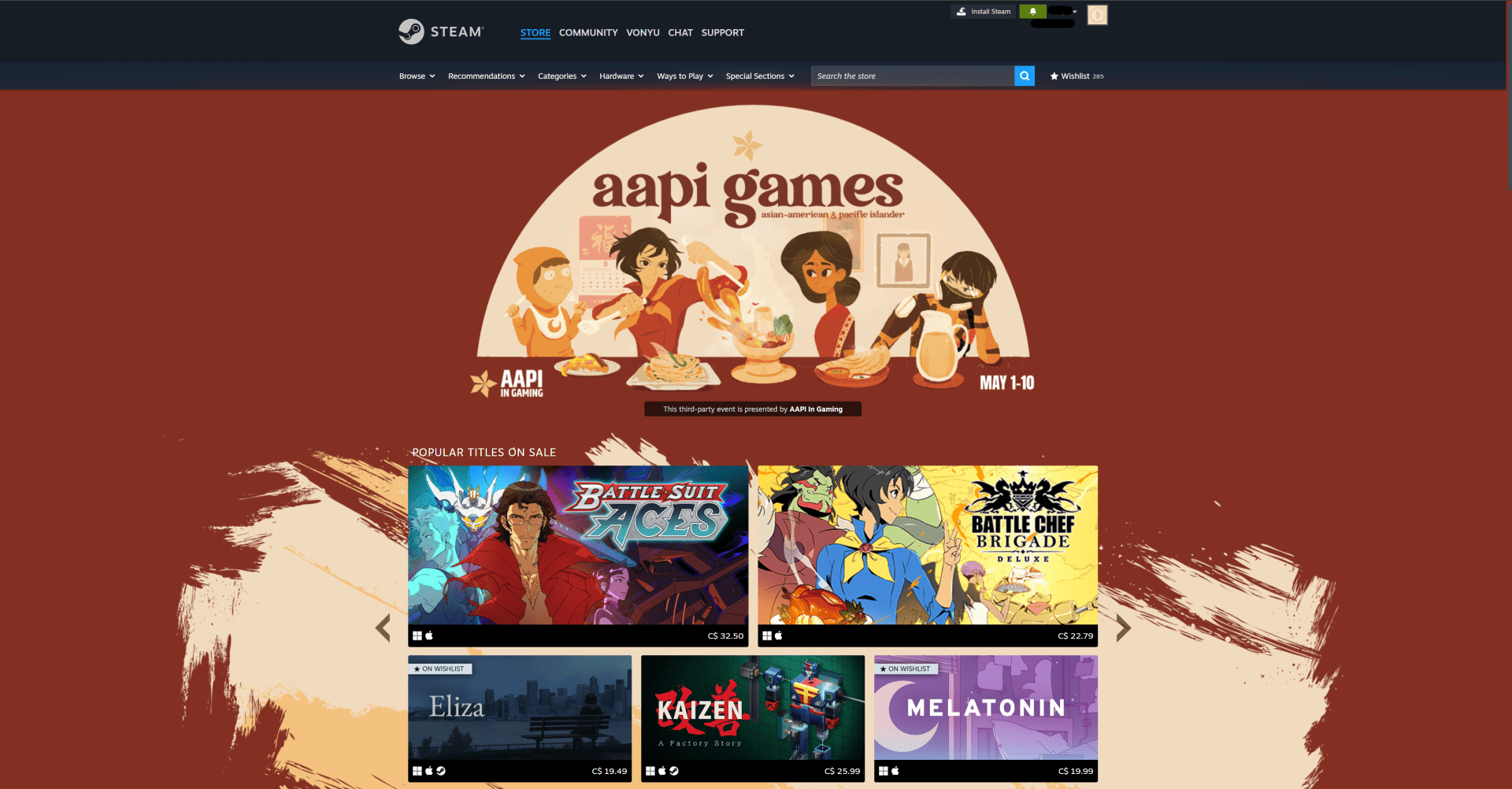
One of the organization’s most visible efforts is its Steam curator page, which highlights “games made by and featuring the AAPI diaspora.” The page includes dozens of recommendations across indie games, narrative projects, action titles, and more. AAPI in Gaming also maintains a broader game directory designed to make those titles easier to find.
That discoverability work will continue with the group’s upcoming AAPI Games Steam sale, which runs from Friday, May 1, through May 10. Yu helped organize the sale by coordinating with developers and submitting participating games to Steam.
Unlike Steam’s larger seasonal sales, third-party sales require participating developers to manually set their own discounts during the appropriate window. Once that happens, the games populate onto the sale page based on the organizer’s selections.
Yu said the sale includes a little over 20 games, with another planned collaboration coming later for Pride Month with IGDA’s queer group. While the number may seem modest, Yu sees that as part of the point.
“If there were a lot of AAPI games, then the org wouldn’t need to exist,” Yu said.
For Yu, the Steam sale also pushes back against a familiar refrain in gaming culture: that conversations about race, identity, and representation are somehow separate from conversations about quality.
“I wanted to go against the narrative sometimes online where they’re like, ‘Oh, stop caring about the race of people. Just make a good game,’” Yu said. “So I’m like, guys, there are good games that are popular anyway that have AAPI [developers] that I want to feature at the top. It’s not a walking simulator. It’s not a visual novel. It’s a real game with real game mechanics and an art style and a plot.”
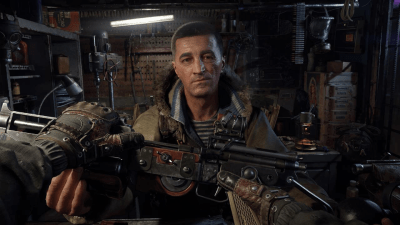
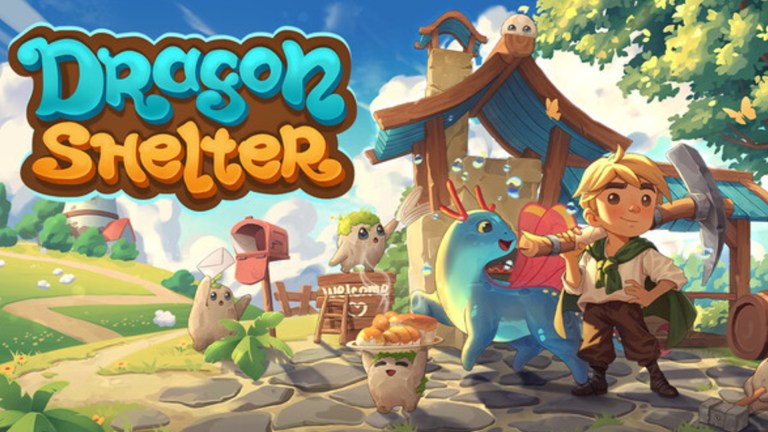
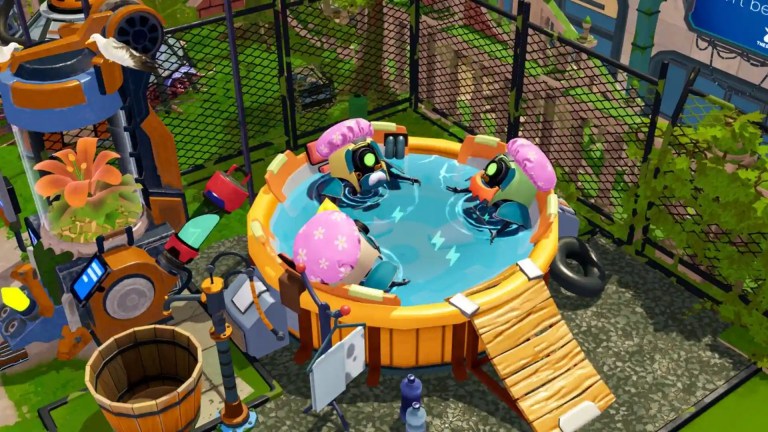
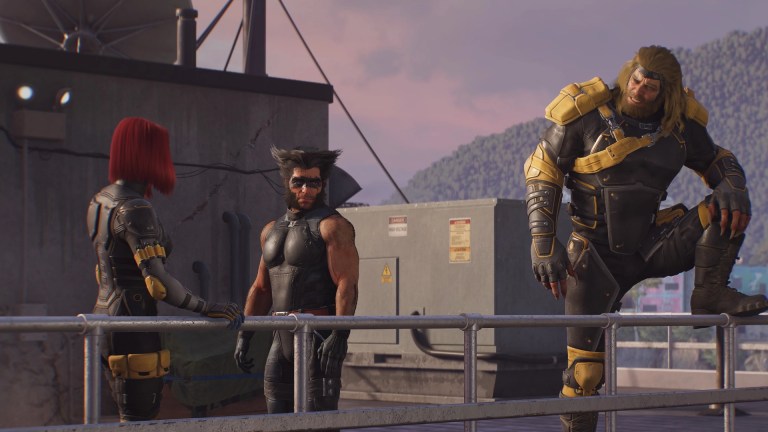
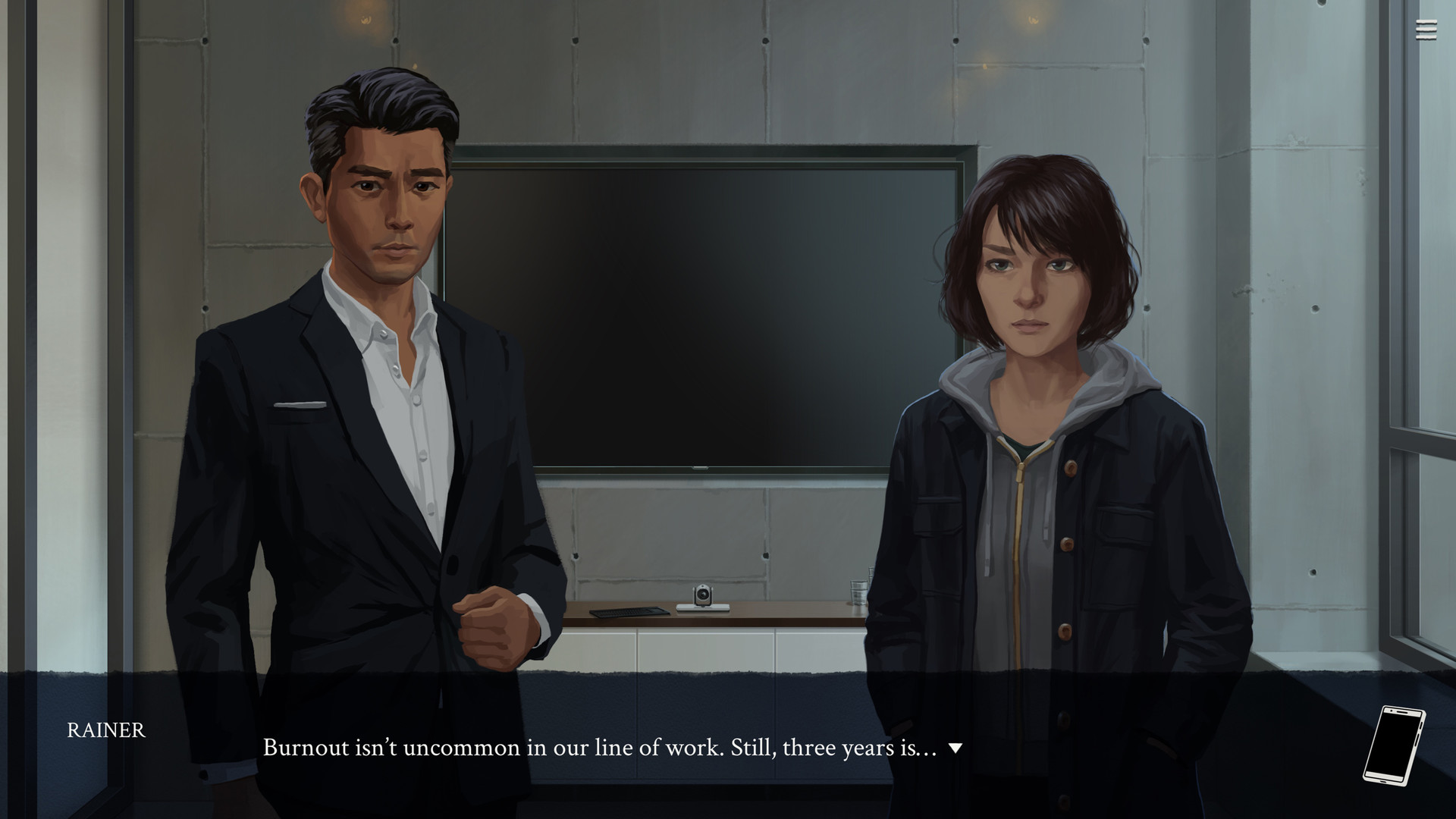
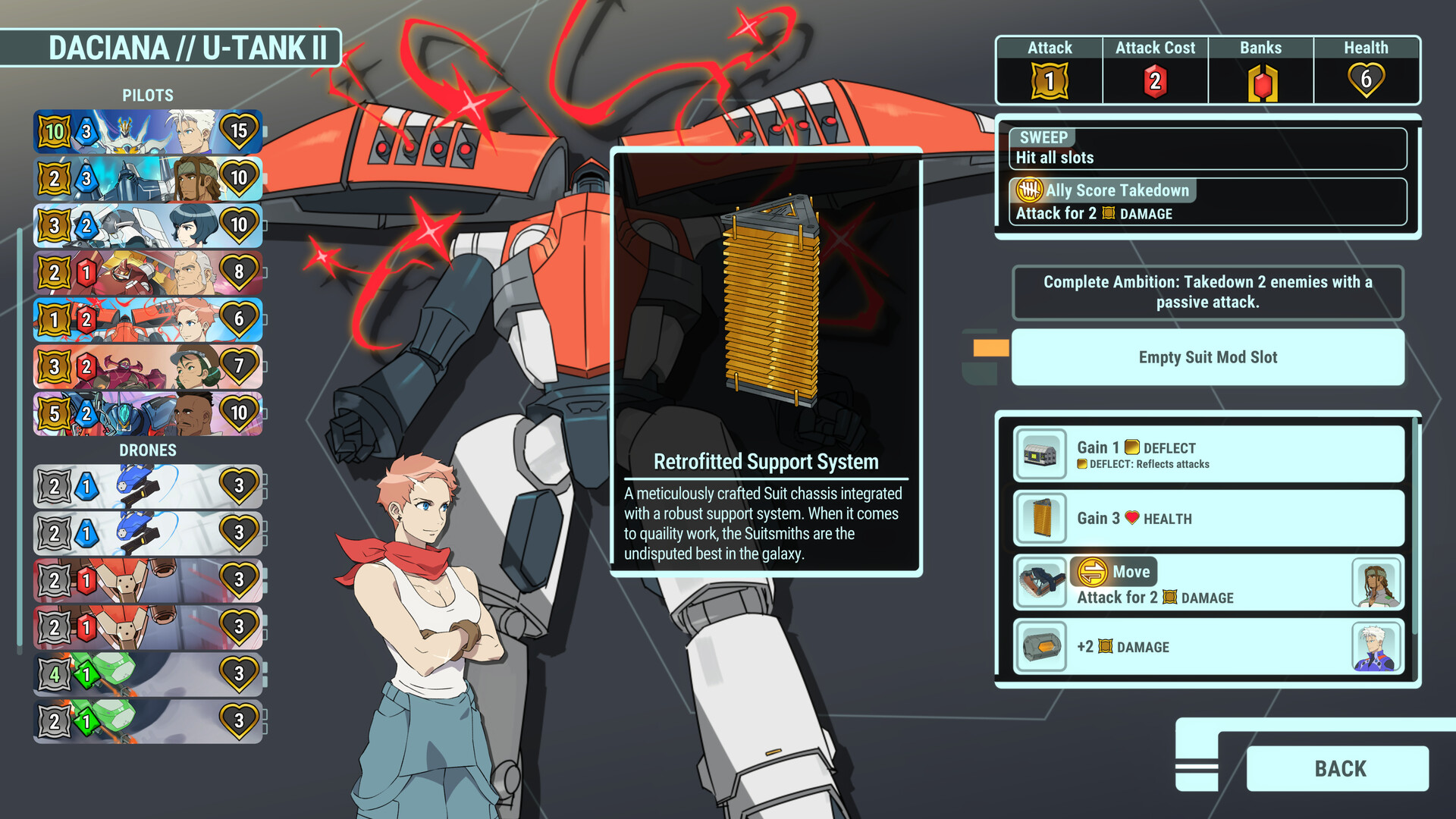
Among the titles Yu mentioned as part of the sale were Battle Chef Brigade, Battle Suit Aces, Melatonin, Venba, and 1000xRESIST, games that reflect the range of genres, styles, and team sizes AAPI in Gaming hopes to spotlight.
The sale, like the Discord, the directory, and the game jams, is another way for the organization to make AAPI developers and stories easier to find in an industry where visibility is often unevenly distributed.
About the Author

Discover more from Bonus Action
Subscribe to get the latest posts sent to your email.