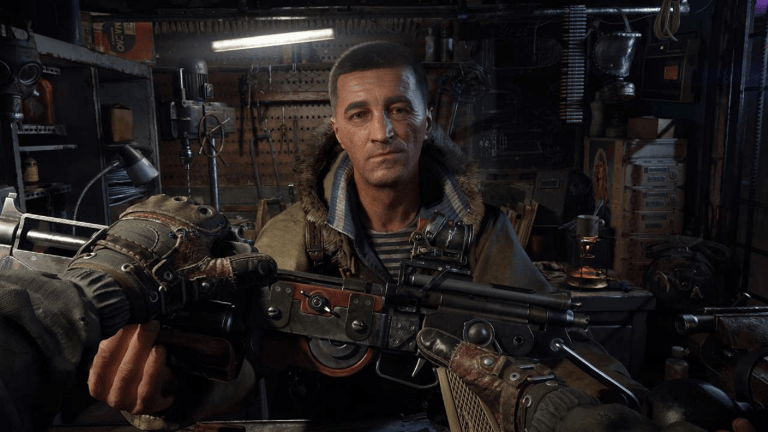
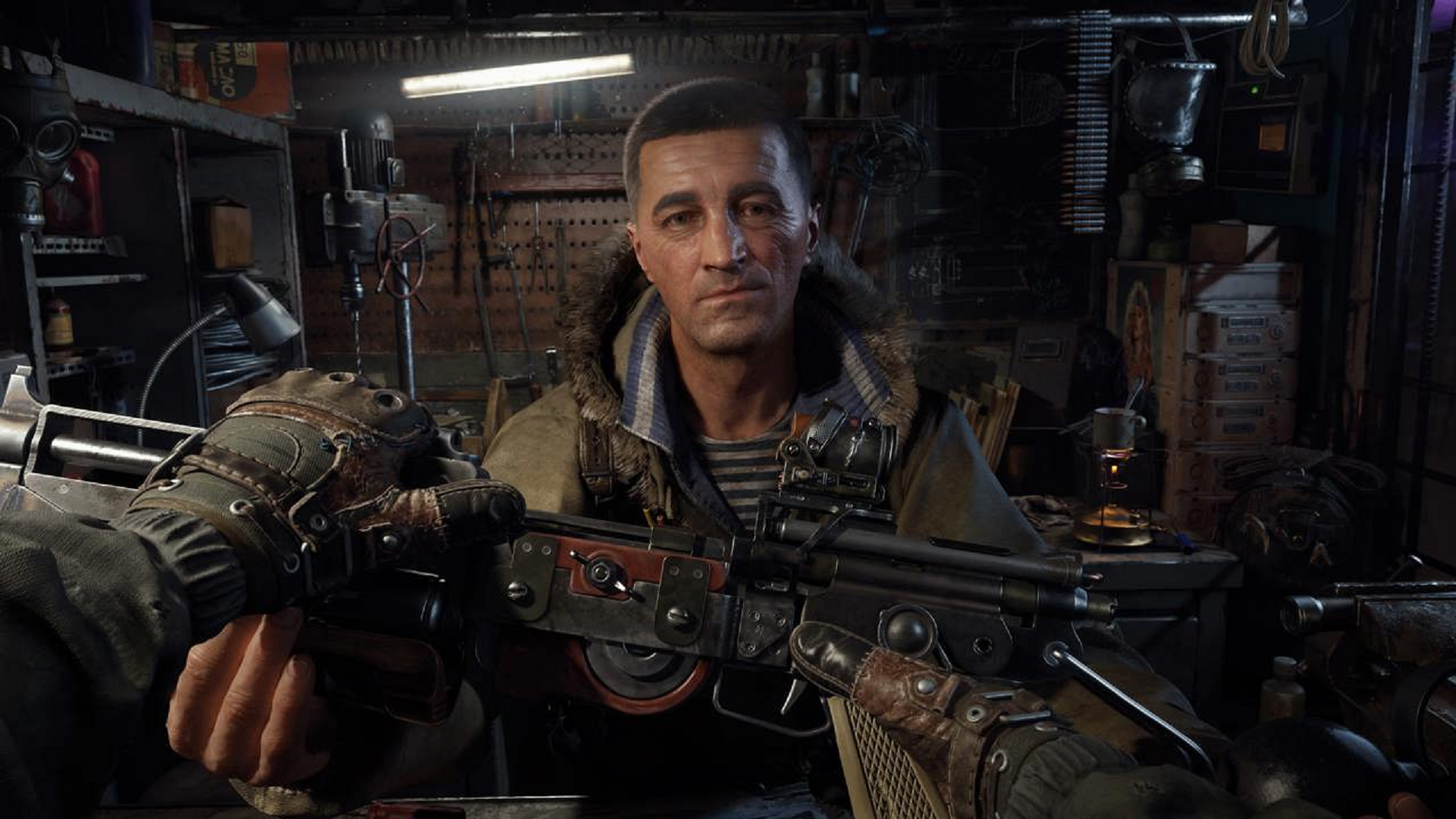
via Deep Silver/4A Games
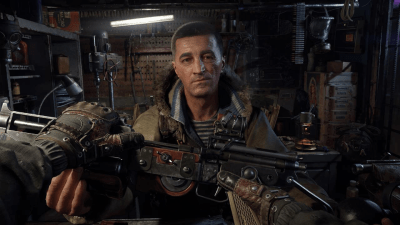
Metro 2039 is returning to Moscow, but 4A Games does not appear to be abandoning the lessons it learned with Metro Exodus.
The latest gameplay trailer, shown during Gamescom Opening Night Live, gives us a much clearer look at how the Stranger moves through the world and what players will be doing between firefights. The setting is familiar. Ruined stations, irradiated surface areas, hostile factions and mutants are all back, but the way players interact with those spaces looks closer to Exodus than the more linear structure of Metro 2033 or Last Light.
I covered the broader story setup following Metro 2039‘s full reveal, including the Stranger, the Novoreich and the return to Moscow. The Gamescom trailer adds more detail to that foundation, but the biggest takeaway is mechanical. Metro 2039 looks like it wants to keep the exploration and flexibility of Exodus without building another large open map around it.
Metro 2039’s Levels Are More Flexible
Nothing in the trailer suggests Metro 2039 is open world, and that is probably for the best.
Exodus opened the series up considerably, particularly in the Volga and Caspian chapters. Those areas gave players more freedom to choose routes, search optional locations, and approach enemy camps from different directions. They also changed the pacing. While I loved the newfound freedom Exodus offered, moving across larger maps meant spending more time between the tightly controlled encounters that defined the earlier games.
The Gamescom footage suggests 2039 is taking a different approach.
Several areas appear large enough to offer multiple paths without losing the enclosed structure of the Metro. The Stranger moves through rooms, tunnels, and larger station areas that appear to branch away from the most obvious route. More importantly, he has new tools for opening some of those routes himself.
One allows him to break through weakened walls. Another cutting tool can open welded doors and barriers. 4A says these can uncover alternate paths, supplies, and environmental details.
How useful those mechanics become will depend on how often the game gives players meaningful choices.
There is a big difference between breaking through a wall to bypass an enemy patrol and breaking through one because there is ammunition on the other side. The former changes how a player approaches an encounter. The latter is essentially another locked container.
If the freedom to carve your own path carries through the full game, 2039 could sit somewhere between the controlled levels of Metro 2033 and the broader maps of Exodus. That makes for a much more dynamic return to Moscow than simply copying either structure.
The Stranger Has More Ways To Interact With His Surroundings

The new tools also fit with one of the better parts of Metro’s design.
The series has always made players physically interact with equipment more than most first-person shooters. Gas masks need filters. Visors get dirty. Flashlights need power. Some pneumatic weapons require the player to maintain pressure manually.
Metro 2039 extends that approach beyond weapons and survival gear.
The cutting tool and breaching device make parts of the environment something the player can actively interact with rather than simply walk past. The new UV light serves several purposes as well.
According to 4A, UV can reveal hidden creatures, repel the flying Insectalis, and expose information that cannot otherwise be seen. In a way, it reminds me of the Prepper Pad from Zombi, forcing the player to stop, look around, and accept the risk that comes with paying attention to the environment instead of whatever might be lurking in the shadows.
The trailer shows the Stranger checking environments with the light rather than relying entirely on objective markers or highlighted objects. Hidden codes, markings, or other information could give players another reason to search rooms carefully.
There is also some room for that mechanic to become repetitive.
The UV light brings back a concern I had with Exodus. Its metal detector was useful for tracking down scarce crafting materials, but eventually I found myself following beeps around rooms looking for scraps I would otherwise have walked past.
While materials are often in short supply around the Metro, if UV turns every area in 2039 into another slow sweep for hidden supplies and markings, the novelty could wear off just as quickly. Used sparingly, it could add another layer to areas players might otherwise pass through quickly.
Customization Keeps Metro’s Weapons Hands-On
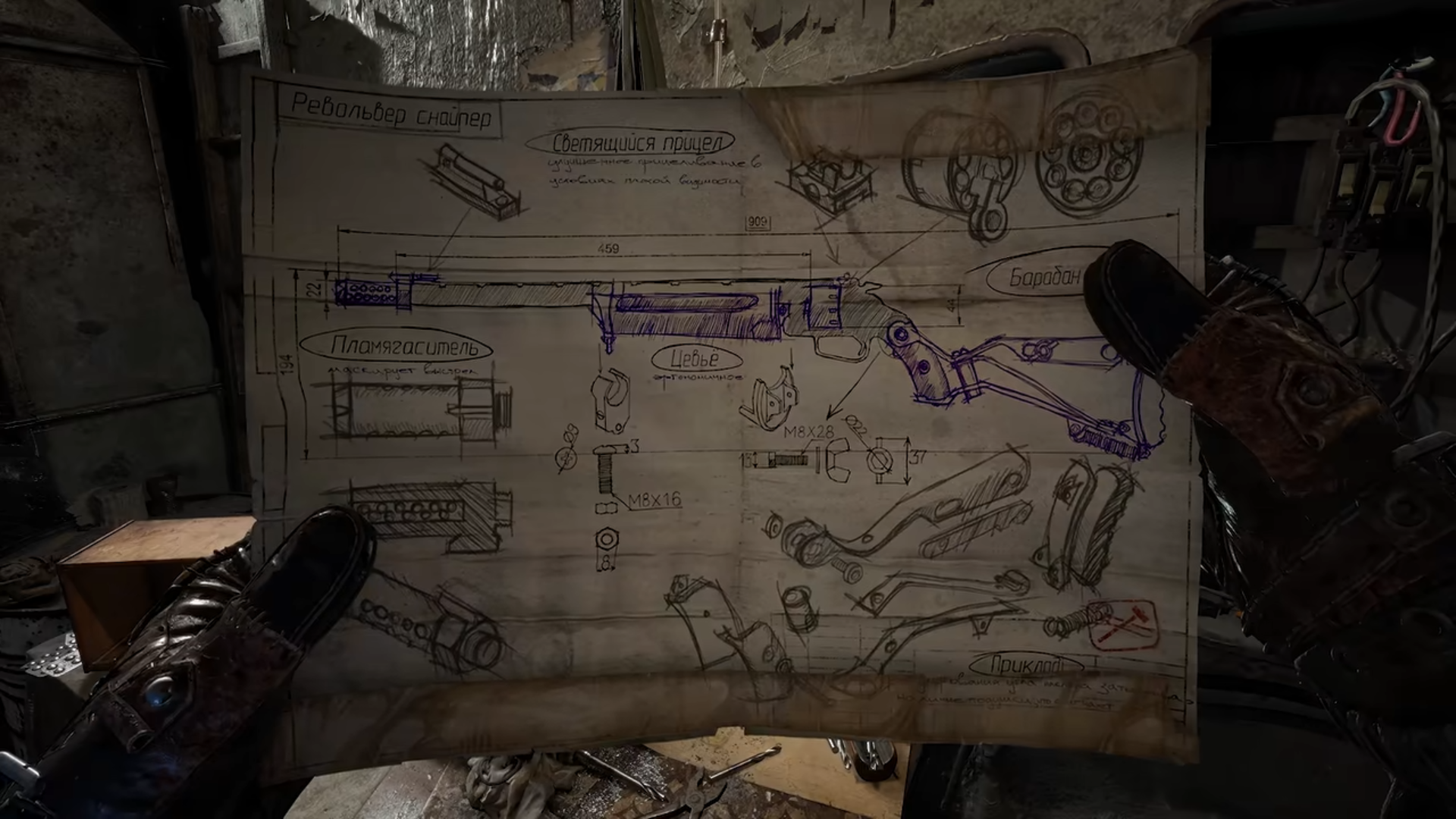
The Gamescom trailer also introduces the Shatun, a pneumatic rifle that requires players to maintain its pressure.
The Shatun is being presented as one of Metro 2039’s signature weapons, but so far it looks very familiar. The Tikhar, which appeared throughout the previous games, is a pneumatic rifle that fires ball bearings and needs to be manually pumped to maintain pressure and damage. The Shatun appears to work on the same basic principle, right down to the ammunition and pressure management.
4A describes it as especially powerful, so there may be more separating the two once we see its upgrades, but for now it looks more like a replacement for the Tikhar than a genuinely new weapon.
Speaking of upgrades, weapon customization from Metro Exodus also returns in 2039.
That system allowed players to modify weapons in the field rather than replacing them every time they found something new. Changing barrels, sights, and other parts made it possible to adapt the same weapon for different situations.
It also helped Exodus avoid turning its weapons into a simple progression of increasingly powerful drops.
Keeping that system makes sense in 2039, particularly if the game gives players more flexibility in how they approach each area. A weapon set up for stealth should feel different from one built for close-range combat.
The trailer also shows the Stranger fighting more aggressively than Artyom typically did, and perhaps with less concern for human life.
Close-range takedowns return, and several encounters show him getting directly into fights with human enemies rather than staying at a distance.
That is to say, the Stranger does not appear particularly concerned with presenting himself as a hero.
“Where Is She?”

The Gamescom trailer does provide one notable clue about why he is back in Moscow.
During an interrogation, the Stranger demands, “Where is she?”
That line is particularly interesting when compared with the original reveal trailer. A young girl appears during one of the Stranger’s apparent nightmares and tries to get him to wake up while he is restrained by a chain. The same trailer also includes imagery of children being taken away.
There is nothing confirming that the girl and the person he is searching for are the same character, but I think it’s fair to speculate a connection.
The Dark Ones are involved in Metro 2039, which already gives 4A an easy way to blur memories, hallucinations, and psychic influence. Still, the new line gives those earlier scenes more context.
The Stranger also describes the Spartans as “wolves in helmets” before adding that he is “something worse.” Between that line, his nightmares, and the girl, there is clearly more to his past than simply leaving the Spartan Order. Exodus players are fully aware that the Spartans held many secrets, and clearly there’s an even darker side for fans to uncover in the newest installment.
For now, 4A seems content to leave most of that sealed in the Metro’s depths.
Returning To Moscow Is Not A Step Back
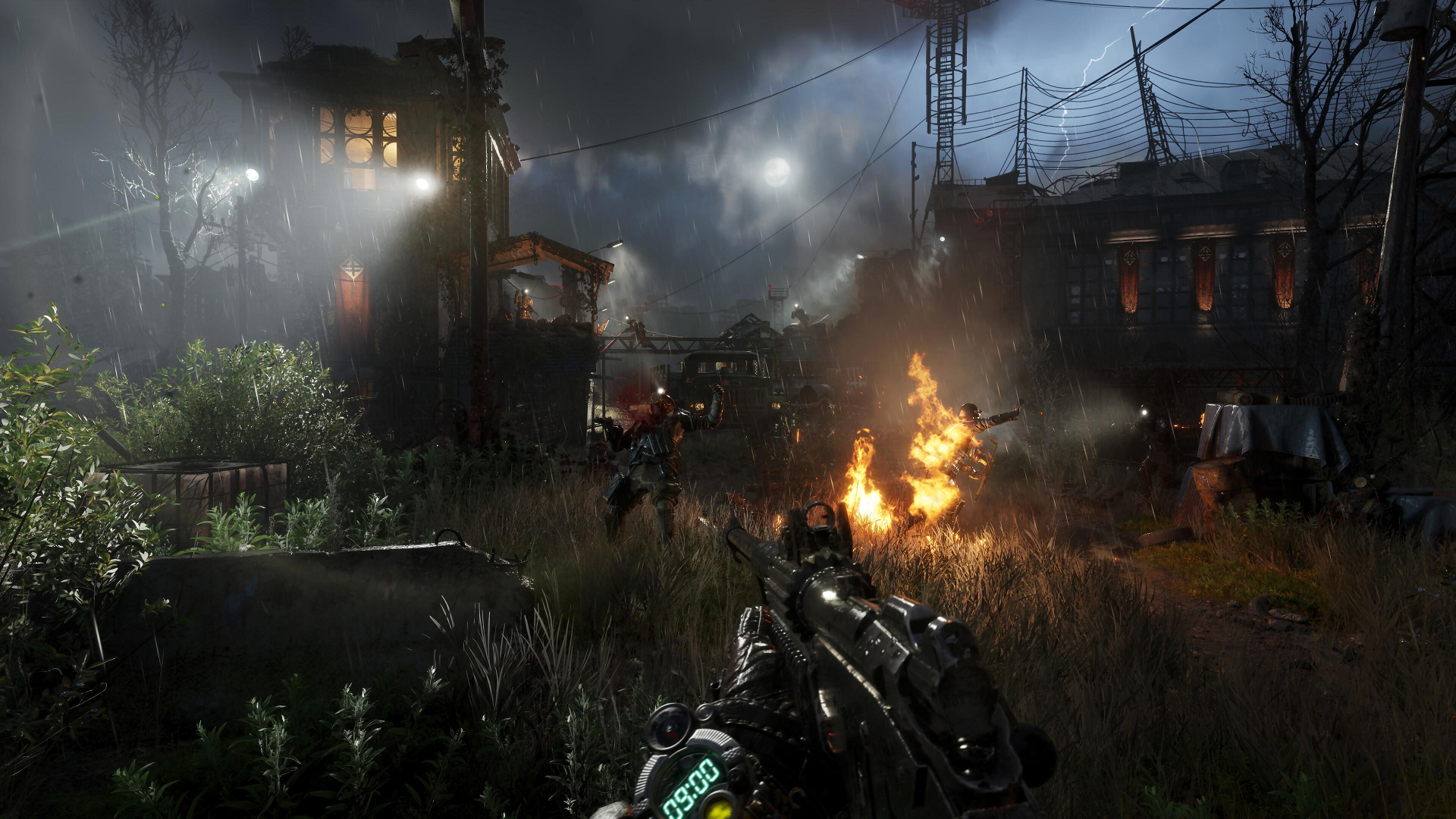
The shift back underground could have resulted in a much more restrictive game, but so far, that does not appear to be what 4A is building.
The Gamescom footage shows a version of Metro with tighter spaces than Exodus, but more ways for players to move through and interact with them. Breaking walls, cutting through barriers, searching with UV and modifying weapons in the field all point toward levels that give players more control over how they proceed.
The strongest parts of Metro have rarely depended on how much ground there is to cover. The pressure comes from having limited resources, unreliable equipment, and several bad options in front of you.
If 4A can make the tunnels feel open without making them bigger, Metro 2039 may have found the series’ sweet spot.
Still here? Good.
That means the article did its job! If you’d like to see more of them (and get first crack at what’s next) our Patreon’s the place.
About the Author

Discover more from Bonus Action
Subscribe to get the latest posts sent to your email.