Bwaaannnggg…
dun-dun
dun-dun
No, dear reader, I haven’t fallen asleep on my keyboard. I’m typing out Angelo Badalamenti’s “Twin Peaks” theme, as faithfully as twenty-six letters will allow, to toast the arrival of the closest thing to a “Twin Peaks” video game – Silver Pines.
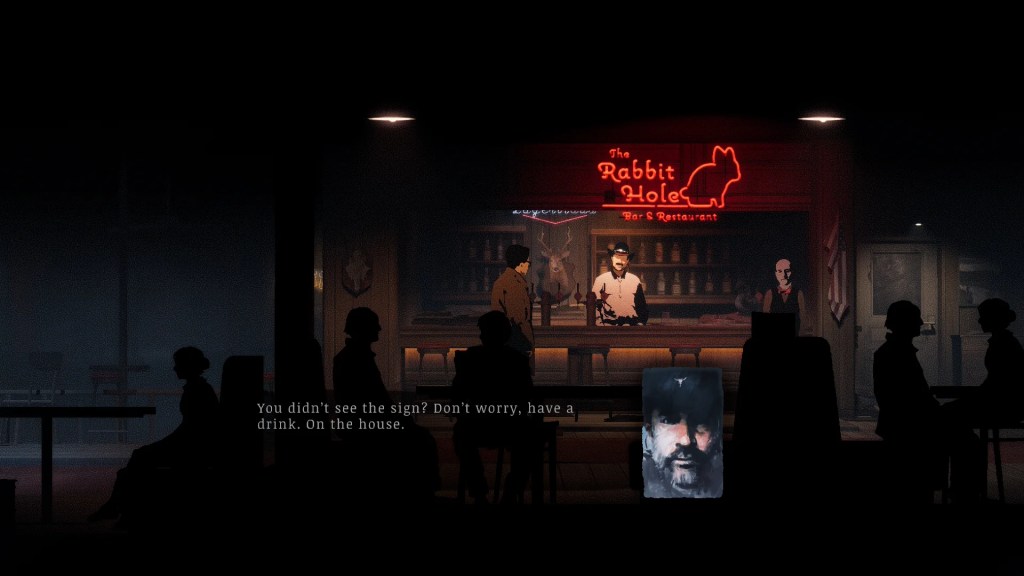
Silver Pines starts, as all the best small-town mysteries do, with somebody waking up where they shouldn’t be. Private investigator Red Walker peels his face off a table in an abandoned diner with no memory of who he is or how he got there. After having some damn good coffee, he steps outside, and a payphone rings with marching orders: find Eddie Velvet, a musician who has vanished without a trace.
Because this deliciously twisted story isn’t going to propel itself forward, he becomes just foolish enough to go looking for the man.
Key Details
- Release date: October 8, 2026
- Developer: Wych Elm
- Publisher: Team17
- Price: TBC
- Platforms: PC (Steam, Epic Games Store), PS5, Xbox Series X|S, Nintendo Switch, Nintendo Switch 2
- Reviewed on: Nintendo Switch 2
- Review code received: Yes, Provided by Team17
An Ode To a Classic
I first wandered into this town during June’s Steam Next Fest, when its demo siphoned several minutes out of my evening and left my “Twin Peaks”-loving heart singing. I’m thrilled to report that the full game, the hotly anticipated debut from Swedish studio Wych Elm, has kept that song going for eight more hours, and I still haven’t turned over every rock.
For the uninitiated, Silver Pines is a 2.5D survival horror Metroidvania, which sounds like a genre somebody invented to win a bet. In practice, it takes the locked doors, scarce bullets, and cramped inventories of the old PlayStation classics, slings them across a sprawling, interconnected town, and then trusts you to find your own way through it with almost nobody holding your hand.
Immaculate Bad Vibes

Silver Pines is masquerading as a sleepy little American town, but the disguise slips almost immediately. The streets look as though everybody ducked out of town, a thin fog clings to every street, and monsters cavort just beyond the edge of the light.
Wych Elm’s hand-painted, rotoscoped animation gives every movement a slightly-too-human glide, and the whole place is drenched in a red light so lurid that the Black Lodge’s interior decorator would weep with envy.
Lots of it feel lifted from Silent Hill, where the town is less a backdrop than a predator, and there’s a healthy splash of Alan Wake and Control in its fondness for the uncanny, but the beating heart of the thing is pure Twin Peaks.
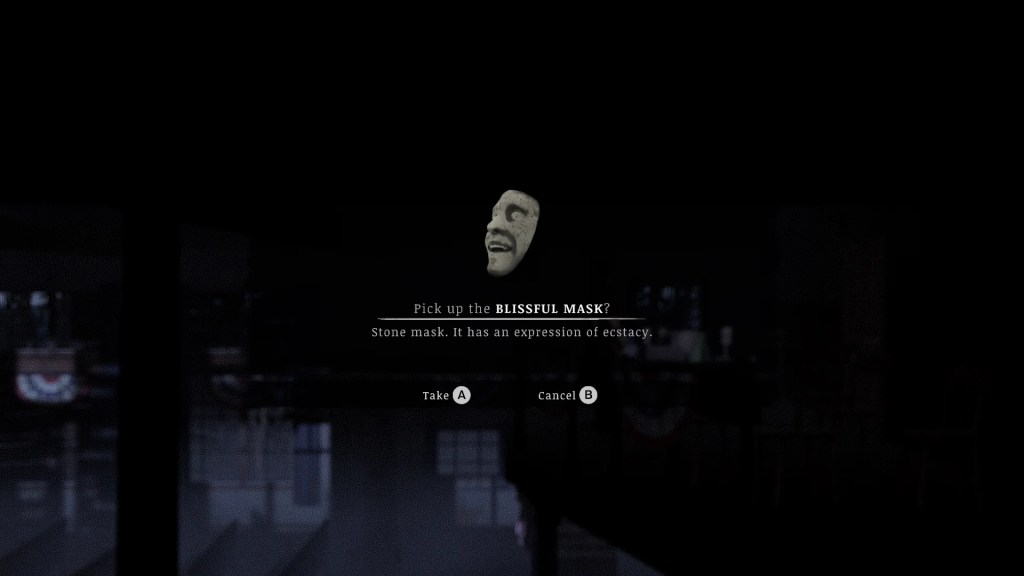
The few residents you meet are all, without exception, a bit wrong. Each one guards a small, nefarious hoard of secrets, and every conversation leaves you with more questions than you walked in with, along with the odd trinket that turns out to be exactly what you needed three streets later.
The game drip-feeds its mystery in tiny morsels, and I spent ten hours gobbling up every scrap it was willing to give me without ever feeling full, which is the highest compliment I can pay a mystery.
The writing is sharp and clever, and the voice acting is excellent. I have to single out Walker’s actor, Chase Brown, who growled that a door was locked from the other side roughly a hundred times during my playthrough without ever sending me reaching for the mute button.
The Writing’s on the Wall
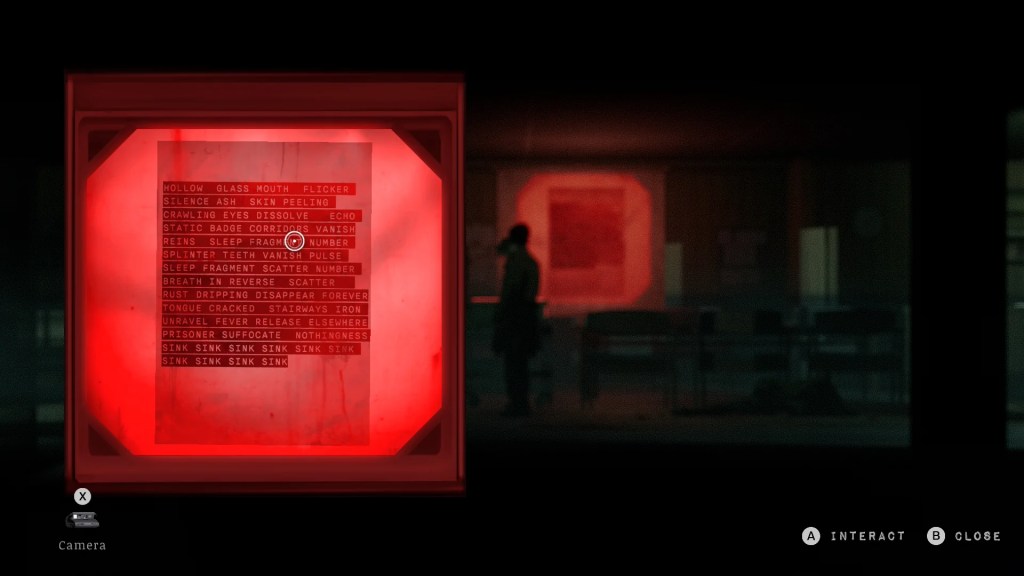
Large chunks of Silver Pines are gated behind locked doors, coded lockboxes, blocked passages, and walls that look suspiciously breakable, and the game will very rarely tell you how to get past any of them.
Silver Pines refuses to pander. Instead, it scatters hints across its environs in notes, scribbled messages, and graffiti emblazoned on walls, and leaves you to put the pieces together yourself. You’ll accrue a pocketful of odd items you can combine into something useful, only to then toil away at the same dead end until the penny finally drops.
In that sense, it shares more of a metroidvania DNA with Animal Well and Hollow Knight than with most survival horror games, and depending on what kind of player you are, that will either appeal to you or drive you up the wall. I hit plenty of walls, both literal and figurative, and spent more than one evening glaring forlornly at a corner of the screen, convinced I’d missed something obvious. But the frustration was outweighed ten times over by the giddy rush of finally cracking it.
Exploration pays a generous tithe, too. Tucked away in the town’s quieter corners are mementos — well-hidden keepsakes that grant genuinely useful passive bonuses — along with collectibles that expand how many you can equip at once. They’re not easy to find, and that’s precisely why finding one feels so good.
Combat Is Fine, Actually
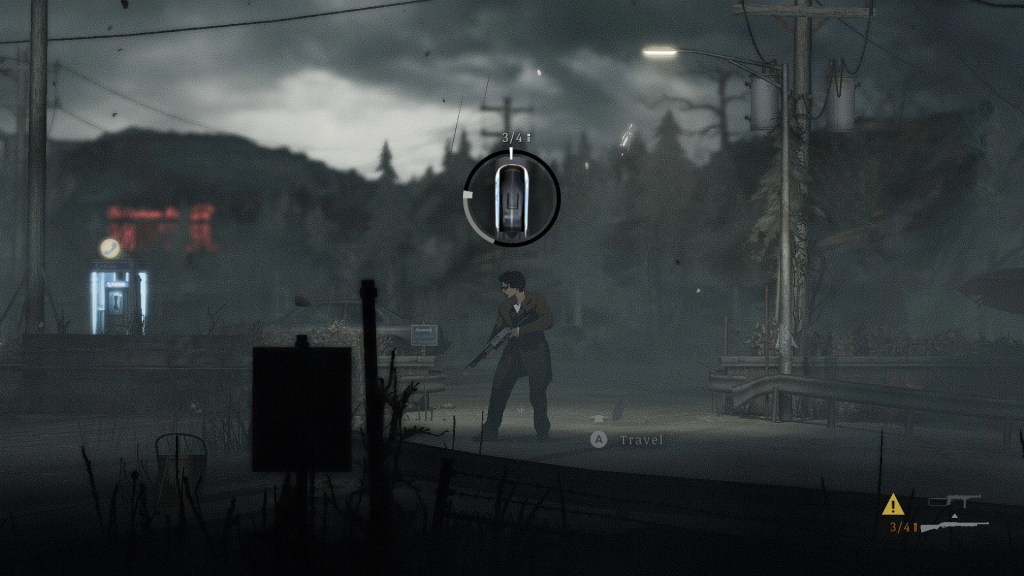
Back in June, I wrote that the demo’s combat had completely wrecked me, and I stand by that, because Silver Pines is mean. With a full arsenal in hand, though, I’ve settled into a calmer opinion: the combat is fine.
You’ll collect a decent spread of melee and ranged weapons, combine bullets with your guns to reload, mix ingredients into healing potions, and spend most fights wishing you were somewhere else, which I suspect is exactly what Wych Elm wanted.
It isn’t groundbreaking, and there isn’t a great deal of depth to it, but this is survival horror, and survival horror isn’t supposed to make you feel like a hero.
The exception is the bosses, which are genuinely fun. Each section of the town ends with at least one, and they demand that you lock in, top up your health, scrape together every bullet you’ve hoarded, and walk in with a plan.
They weren’t easy even on Tense, the second of four difficulty settings, and while beating one doesn’t shower you with loot, it rewards you with progress, which in a game this stingy with answers is the best prize going.
If that sounds daunting, Relaxed mode will placate the faint of heart, while Survival Horror and Nightmare exist for people who enjoy suffering on purpose. Having refused to lower the difficulty in the demo, I can confirm that it hurts.
The Rules Change When You’re Not Looking
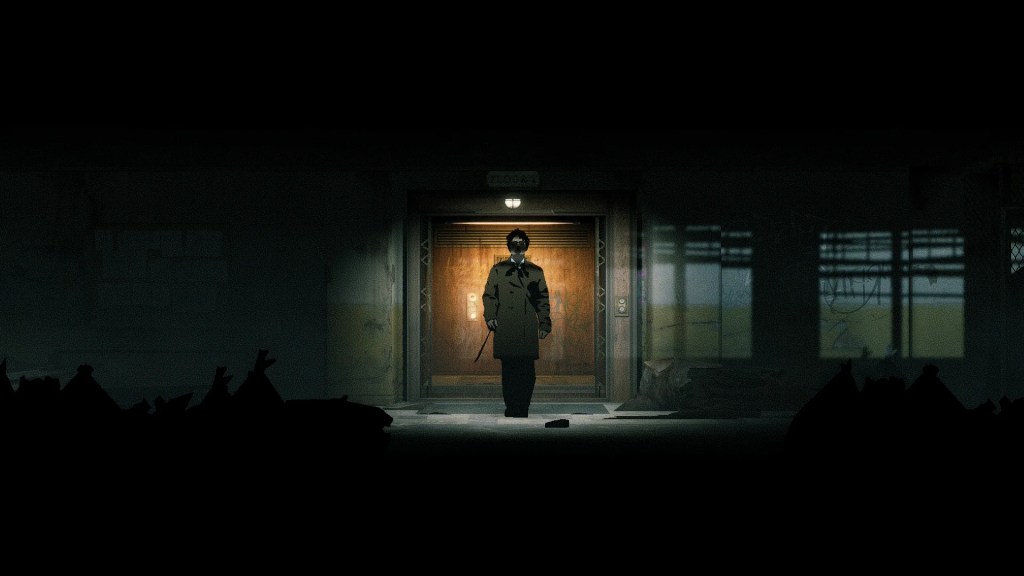
My one real complaint is that Silver Pines occasionally breaks its own rules. The whole game teaches you to read the world, to notice that a certain tool solves a certain kind of problem, and then, every so often, a trick that opened one path stubbornly refuses to open its near-identical twin down the street. I’m perhaps being a bit vague, but that’s just to avoid spoiling how specific mechanics work in the game.
When you’ve been stuck for a while and that glimmer of hope finally arrives, being told no with nothing to explain why feels less like a puzzle and more like the game changing its mind. It didn’t happen often, but when it did, it muddied the trust the rest of the game works so hard to build.
I also saw a handful of enemies and NPCs clip out of bounds in the review build, though nothing ever severed my progress, and it’s the kind of rough edge a patch tends to sweep up.
Final Score – 9/10
Silver Pines doesn’t try to hide its influences. It takes the dread of Silent Hill, the strangeness of Twin Peaks and the stubborn, self-directed curiosity of the best Metroidvanias, and stitches them into something that feels both familiar and fresh.
The combat is not groundbreaking, and a few rules bend when they shouldn’t, but the mystery had me hooked from the first ring of that payphone.
I still have mementos to find and at least one wall I’m convinced I can get through, so if you need me this October, don’t call. The line is busy.
**Bonus Action received a Nintendo Switch 2 copy of Silver Pines for the purpose of this review**
Still here? Good.
That means the article did its job! If you’d like to see more of them (and get first crack at what’s next) our Patreon’s the place.
About the Author

Discover more from Bonus Action
Subscribe to get the latest posts sent to your email.