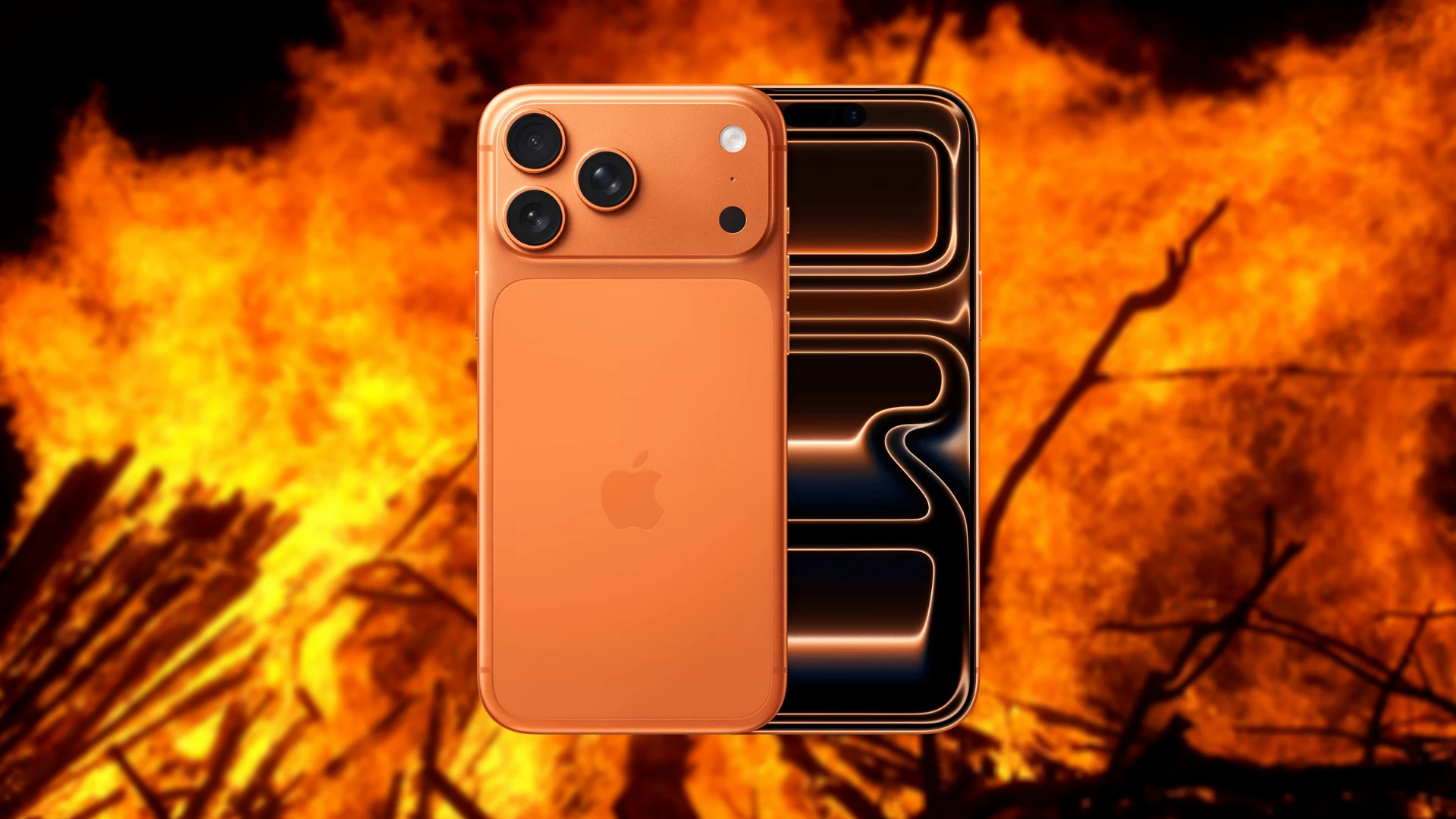
Image via Apple
We all talk about it. It’s a hot point on YouTube video essays, a trendy “throwback” change on social media, and a general word of advice from your therapist – we should cut back on our screen time. Especially when it comes to smartphones. What used to be a means of chatting with your mom after school, or your friend after homework during the evening, has amalgamated into a monstrous beast that captivates our every waking moment. I have never loved my smartphone. In fact, I actively detest that I feel required to have one at all, but it’s an evil that slipped into my life quietly, and one that has dug its claws deeply into every aspect.
For a lot of us, the dislike of our smartphones isn’t a controversial topic. As a matter of fact, it’s a common place conversation amongst many of the people who I am closest to. But it wasn’t until very recently that I realized how weird it has gotten, and how very much I need to put boundaries down with this little pocket-sized monster controlling my life.
Nostalgia is 20/20
I was born in 1992, and was a teen during the peak of flip phones in the 00s. I grew up with a “landline” phone that plugged into the wall, and had exactly an hour and thirty minutes of battery life before it completely gave up and had to be recharged. When I was thirteen, we had two, and I remember rushing to flip the phones around before one handset died and killed my call, which was typically to my childhood best friend.
The early 00s were a time of hoping your sibling wouldn’t sneakily pick up the other phone in the house to listen into your conversations, and once you were off the phone, you were done. There wasn’t this constant demand on your time. You weren’t checking a screen every ten seconds, or frantically responding to texts and social media messages.
I remember going to friends’ houses and lying on the floor while we all chatted and sketched in our sketchbooks. I remember grabbing the landline to tell my friend I was coming over, and then just walking to her house, free to think about how the weather felt, or what projects I might want to work on, or what we would talk about once we met up at the park.
I was in high school when cell phones really started circulating. That’s not to say they weren’t already around, but we lived in Idaho, and trends took a bit to make it out to the sprawling, high desert landscapes. I remember each of my friends eventually acquiring a cell phone. Little flip phones with horrible cameras, no internet access, and storage so tiny you could only hold thirty ringtones. Also, a shout-out to anyone reading this who held their phone up to the speaker of a radio to record a song they liked to make a ringtone out of it.
I was the last person in our group to get a cell phone. It was a Nokia Flip with a dark blue lid. I immediately covered it in Kingdom Hearts stickers. While it was amazing to be a “part of the group,” this was also where things took an immediate turn.
The second that phone hit my palm, I was immediately available to everyone, all the time. I remember I slept with my cell phone under my pillow, and I would get immediately stressed if someone texted me and I didn’t respond as quickly as possible. What if they thought I was ghosting them? What if it was about something important and I missed out? Texts were short, and they weren’t easy to tap out on T9, but we all were hooked.
I only had my phone for a year and a half before my parents cut my line. It was too expensive for us to keep. Because of this, I actually started college with no phone at all, and I think that early detox and then reintroduction when I was more firmly developed had an impact on my interaction with phones into my early adulthood.
Anxiety is the Name of the Game
Have you ever been sitting, doing something you genuinely enjoy – maybe it’s crocheting, or painting, or just reading a book – and then your phone goes off? Do you get that jolt the second you feel the vibration or hear the ping? The immediate need to answer? The earworm in your head that forces your arm out, reaching to grab the demanding device, to open the screen, to immediately read what has come in, even if it is ripping you out of a comfortable space?
Have you ever been just waking up, eyes still half open, the dawn light creeping through your window, and then you fully boot to realize you have already reached for and opened your phone screen?
Do you get the sense of impending doom when a text comes in that you can’t immediately answer, and you begin rushing to finish whatever task you might be in the middle of to get to it as quickly as possible?
Should we think that is normal?
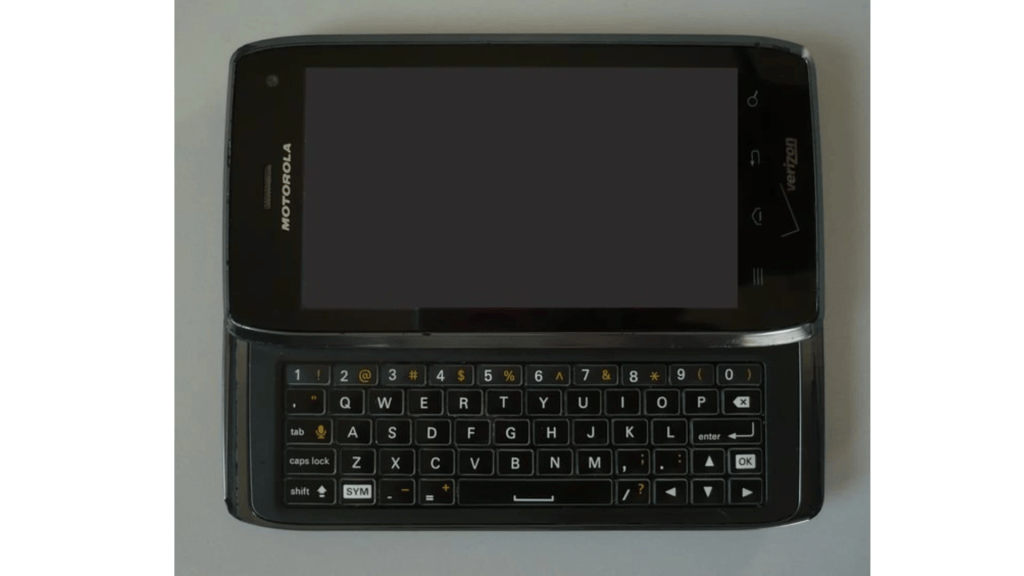
I was nineteen when I got my first “Blackberry” style phone with a keyboard. It was a Motorola Envy, and its keyboard made typing as easy as using a computer. It also became an immediate problem in every aspect of my life. I was far more interested in texting people than studying for my college exams. I would sneak my phone to work and sit it on my lap, hidden in my skirt, despite my job forbidding cell phones while on shift. I would be out with friends, in a social setting, and I’d be on my phone, texting people, texting my partner, texting as soon as a message came in. My anxiety around my phone was so intense, and that was when it became my constant companion. It was always on me. I could call or be called at any time. I could text anywhere. I was never alone. I was never off. I was never able to do anything without interruption.
I remember, very clearly, that I was home on a break and visiting my childhood best friend, and instead of engaging with her, I kept stopping to text my partner. I remember sitting there, looking at the screen, waiting for texts to come in, and she turned to me and said, “If you would rather be talking to them, why did you come to hang out?”
She had a point, but instead of seeing it, I got angry. Couldn’t she see that this was an important conversation? What if my partner thought I was ignoring them? What if I didn’t respond fast enough and something bad happened? What if I wasn’t available? What if I was immediately available?
Tragically, it didn’t get better from there, because about the time I turned twenty-one, smartphones became mainstream, and my life was about to be tipped off a cliff.
New Phone, Who Dis?
My first smartphone was a Motorola Droid. I got it right before I turned 21, and it changed everything about how I interacted with my phone. I remember downloading apps for the first time, using it to search things on the internet, and playing games. Not long after that, I jumped to a blue iPhone Color, and suddenly it wasn’t just texting and talking and Fruit Ninja. I could answer my emails; I could chat via messenger apps; I could scroll on Tumblr.
One of the scariest things that I don’t know how to deal with, and one of the things that makes me the most uncomfortable about my relationship with my smartphone, is that I have clearer memories using these phones than I do spending time with people. It is disturbing that I remember every phone type I’ve had. It’s upsetting that I can clearly remember sitting at work and using it, or texting on it, or just being absorbed in it. That’s extremely upsetting to me.
As time went on, the phones got smarter, and suddenly social media and YouTube were in my pocket everywhere I went. I could scroll while sitting on the sofa. I could watch YouTube videos everywhere I went so that I never had to sit in silence. I was never alone, always on, always available, always ready to respond to anyone and anything at any time.
The Straw
When I was twenty-eight years old, I became a mother. Like so many young parents, I felt very pressured to take pictures of my life as a new mom and share them on social media. That was what everyone was doing, and it had replaced much of the actual socialization available to young moms.
I would take photos of my son, in optimal lighting, frame them just right, and then upload them with some cutesy little garbage paragraph about how lovely and wonderful it was being a new mom. The thing is, I was lying. It wasn’t lovely. I wasn’t sleeping; I was dealing with postpartum during the pandemic. I was extremely lonely, and I felt isolated and cut off from everyone and everything in the world.
Not long after that, we had a terrible scare and learned that someone I was friends with on Facebook was not the sort of person you want having access to pictures of your children. It completely reframed my opinions on sharing photos in a matter of hours. Who am I to share my son’s photos? He wasn’t able to consent to that. He wasn’t able to say no to being shown to others in “silly” images that he might grow up to be embarrassed about later.
In the blink of an eye, I found myself questioning everything about the device in my hand, and I found myself fairly overwhelmed. This little, electronic box was using up so much of my time, but it was also fundamentally encouraging me to do things I didn’t feel comfortable doing.
Because of this, I ended up removing most of my social media from my phone, and I never created a TikTok account when it became popular. I was shaken enough to realize I had a problem, and that more of these types of apps weren’t going to help.
Starbucks Cups, Squishy Toys, & Weird Food, Oh! My!
After my initial shock and subsequent new caution about my smartphone, I began to seriously question some of the things I was seeing normalized in our culture. People literally fighting each other at my local Target over Stanley cups, friends spending horrific amounts of money on bizarre internet fads, and children scrapping childhoods to chase blind boxes and engaging in soft gambling culture all became painfully apparent.
I also began to question my daily phone use. Why do I need to leave the house with my phone on me at all times? Why do I always have it on my person? No one, literally no one, needs to have that much access to me at all times of day unless it is my child.
I began to realize that because my email and work applications are on my phone, I never fully clock out. I am basically working from the time I wake up until the time I go to bed. The first thing I do every morning, before anything else, sometimes at five AM when I need to pee, is check my email.
That is legitimately insane behavior.
Even with no social media apps on my phone, I always have YouTube going, and the constant background noise makes it hard to settle, focus, and do things I actually enjoy. It’s embarrassing, and I know it’s a problem.
I’ve realized recently that it might be time for me to have a serious conversation with myself about my smartphone. It might be time to call it quits and think about something less invasive. Something that doesn’t have negative news cycles and toxic internet fads baked into it like a brainrot pie served with doomscroll gravy. I want my son to grow up knowing my face, not the back of a screen. I want to set a good and healthy example for what screen time should look like as he gets older.
But how? How do I function in a world where my bank is an app, my debit card is a built-in tap, and my kid’s school literally uses an app in order for me to pick him up? We should be outraged that we were baited into a crippling, expensive addiction by big tech companies, and then the world was shoved into these tiny boxes in a way that makes functioning without them seem impossible. You need coupons at the grocery store? App. You need to refill a prescription? App. You need to get into something on your computer? Better have a smartphone ready because that MFA is going to send you a billion emails, messages, and phone calls.
Frankly, I am over it. I hate my smartphone, and I am ready to break up with it. I want to be able to do things without the anxiety that I am not responding to people. I don’t want to know what weird, cheap toy grown adults are binge-buying and TikToking about. I don’t want to see pictures of other people’s underage children performing to a camera that they are haunted by because their parents are too overwhelmed with fomo and emotional isolation to function without.
I want a world where I can leave the house without my phone and not feel like I left the stove on. I want a life where I don’t know anything about random strangers on the internet. I don’t want to know. I don’t. I don’t need it, and it’s exhausting. I want to read a book!
The world is a beautiful place, and you don’t always need a phone to take a picture of it and post it to socials. I think we would all benefit from going back to a landline, or even an old-school cell phone, so that we might all detox a little bit.
While I am not entirely sure what the future holds for my thousand-dollar electronic keeper and me, I know couples therapy or ‘going on a break’ isn’t going to be enough. I think it’s time to be done. To quit paying a fortune to be stressed out all the time, and to turn my phone back into the pumpkin it should have stayed. If you need me, give me a ring, or leave a message at the tone. I’m in no rush to get back to you, and I hope you will say the same to me.
Still here? Good.
That means the article did its job! If you’d like to see more of them (and get first crack at what’s next) our Patreon’s the place.
About the Author

Discover more from Bonus Action
Subscribe to get the latest posts sent to your email.