It seems like almost every game is a roguelike these days, or at least has some roguelike elements to it. Titles like Teenage Mutant Ninja Turtles: Splintered Fate and Mexican Ninja utilize the “repeat a combat run, growing stronger with each loop until you finally beat the boss” framework to good effect, and Marvel Cosmic Invasion‘s recent DLC added its own take in the form of its Castle Doom mode. Heck, even Star Wars: Galactic Racer had a roguelike mode in its campaign, and that’s a racing game!
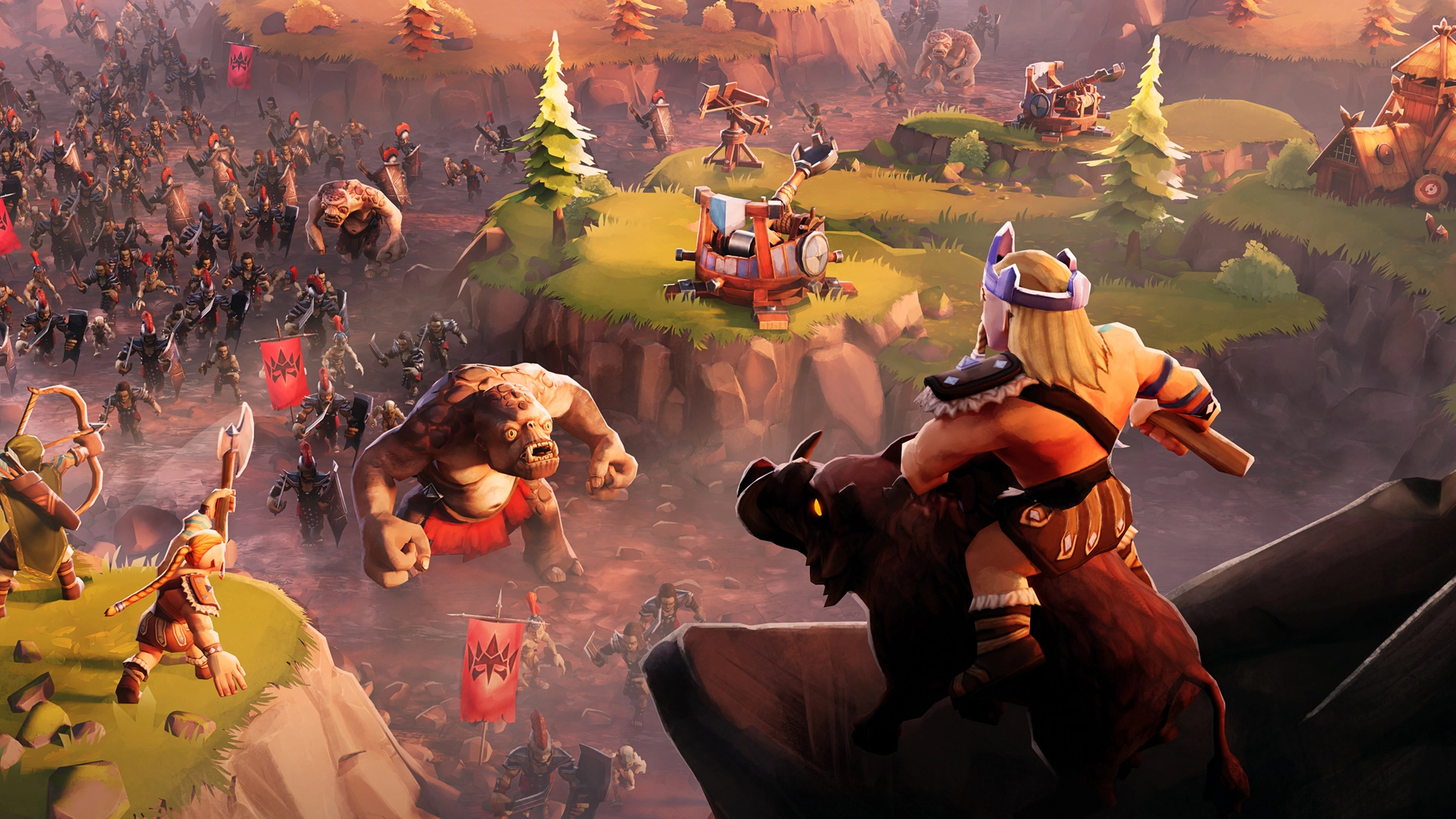
Examples like that and Lootbound have inserted roguelike gameplay into other genres, and now Dawn of Defense is doing this for the tried-and-true top-down tower defense formula. But how does managing resources and building a decent stronghold while planning an attack on the enemy base play out in the never-ending loop format made popular by Hades II and the like? That is the question that indie publisher/developer 6side Studio has joined forces with Rekoup (Map Map, Prime Monster) and Gamersky Games (the recent Farm & Feast) to answer.
Key Details
- Developer: 6side Studio
- Publisher: 6side Studio, Rekoup, Gamersky Games
- Platforms: Steam
- Price: $19.99
- Review Code Received: Yes
Prepare For Battle
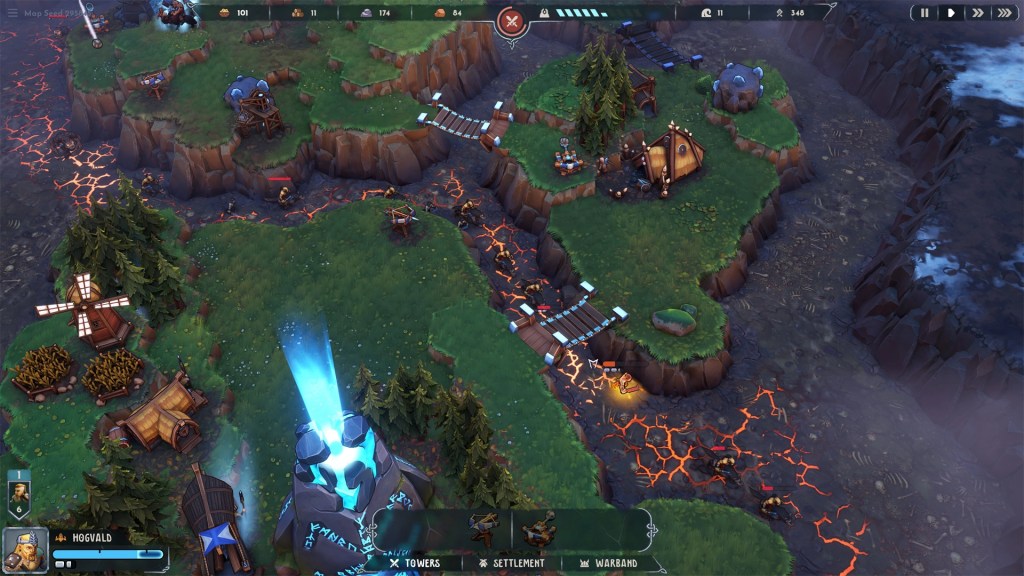
Dawn of Defense tasks players with protecting their stronghold, called the Spiridun, from the legions of an oppressive empire known as the Imperium Aeternum and its leader, the living shadow Oblivictus. The game plays out in an isometric view typical of strategy titles, with players able to move around the map for a better look at the battlefield with either the mouse or WASD. They can zoom in or rotate with the middle mouse wheel, or snap back to the main Spiridun tower by pressing H.
The mouse is also used to select Warriors to command, either one at a time with a single click or a whole group by dragging a box over them. To order them to move, you simply right-click on the spot you want them to go. You can also set a unit’s target priorities and view its Health, Ward (which depletes before your health), and Armor stats in the unit menu.
Each map is divided into different Isles, which are procedurally generated to ensure that no two runs are exactly identical. A sinister fog conceals the Imperium forces until the player’s army gets close enough to see them. Enemy movement is marked with an orange magma trail, which the opposing forces follow as they charge into battle. This allows you to plan how to map out your defenses, which is a crucial part of the game since most enemies will be walking along this trail. Of course, you will also need to build a raiding team to take control of the enemy stronghold, meaning you have to juggle which of these two aspects to focus on first.
An Unending Fight
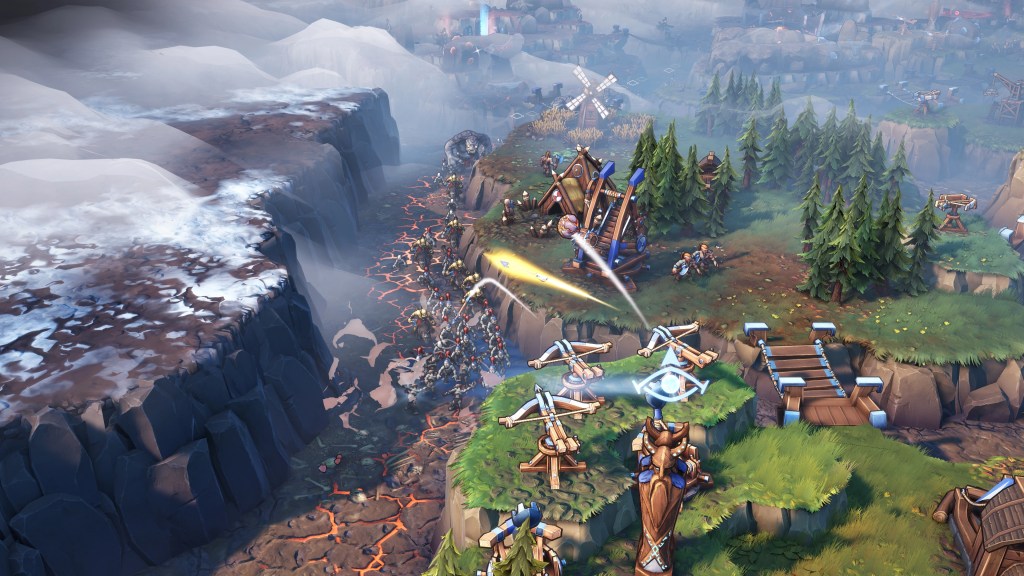
The player’s available resources are tallied on the bar at the top of the screen, as well as the number of assault waves you’ve survived thus far, and Runes earned in your most recent run. These Runes can be spent on permanent upgrades at the end of every run on the Runestone screen. The tabs at the bottom of the screen are where you can select new structures to build, such as bridges to cross trenches, sawmills to produce more wood, barracks to train new soldiers, and crossbow turrets to defend your territory once the enemy charge begins. Expect resources to expire quickly, especially in the beginning of a run when you don’t have a whole lot of buildings to harvest them.
The enemy attack will start automatically when the designated bar fills, though you can also trigger it yourself by clicking on the Horn button at the top of the screen. By hovering over it, you can see what enemies will appear on the upcoming run. Once a wave is started, you can pause the battle with the spacebar or adjust the battle speed with X (normal), C (double), or V (triple). You can also alter the speed by clicking one of the Play button icons in the upper right-hand corner of the screen, which is especially handy toward the start of the early enemy runs where it still takes some time for foes to reach your defenses.
Your main objective in each wave is to protect the Spiridun tower. If the enemy forces successfully deplete its health, your run will end in failure. Eventually, the boss of the run will appear, and you will need to take them down before they can reach your Spiridun. Unlike other enemies, who will be killed if they strike your citadel, the boss will take it down in a single blow.
This, of course, means that you will have to completely rebuild your base and forces again from scratch in the next run, which is where Dawn of Defense‘s roguelike elements take some of the enjoyment out of the game for me. The boss’s charge is inevitable unless you take control of the enemy base before it appears, and it takes a lot of time and effort to build adequate defenses to fend off standard enemies – much less their ultimate master. You could very well build a massive stronghold, only to have it wiped out completely with one strike.
Final Score – 6/10
There is naturally a considerable grind to the roguelike genre, but Dawn of Defense‘s base-building takes it to a whole other level. As someone who enjoys strategy games from time to time, I like some parts of Dawn of Defense, but the repetition in having to constantly rebuild your forces from the ground up, only to have to start all over after losing to the big boss, is a tough ask. Overall, Dawn of Defense is a solid attempt at a roguelike/tower defense hybrid, but maybe the concept itself needs to be workshopped a little more.
**Bonus Action was provided with a Steam Code for Dawn of Defense for the purpose of this review**
Still here? Good.
That means the article did its job! If you’d like to see more of them (and get first crack at what’s next) our Patreon’s the place.
About the Author

Discover more from Bonus Action
Subscribe to get the latest posts sent to your email.