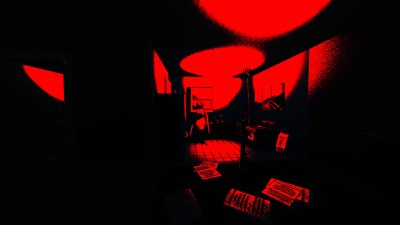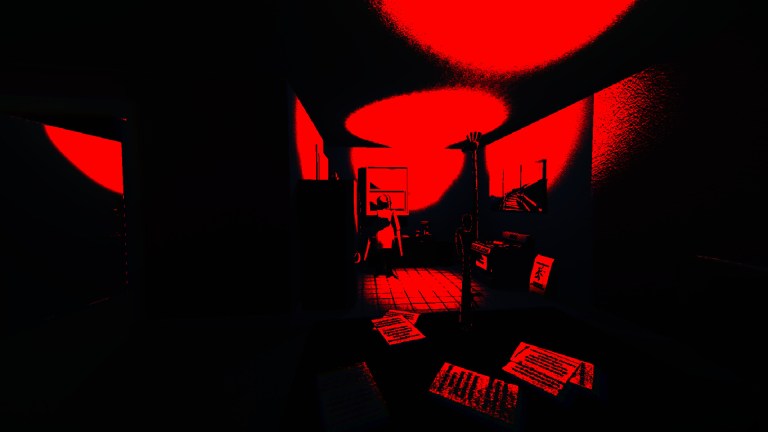
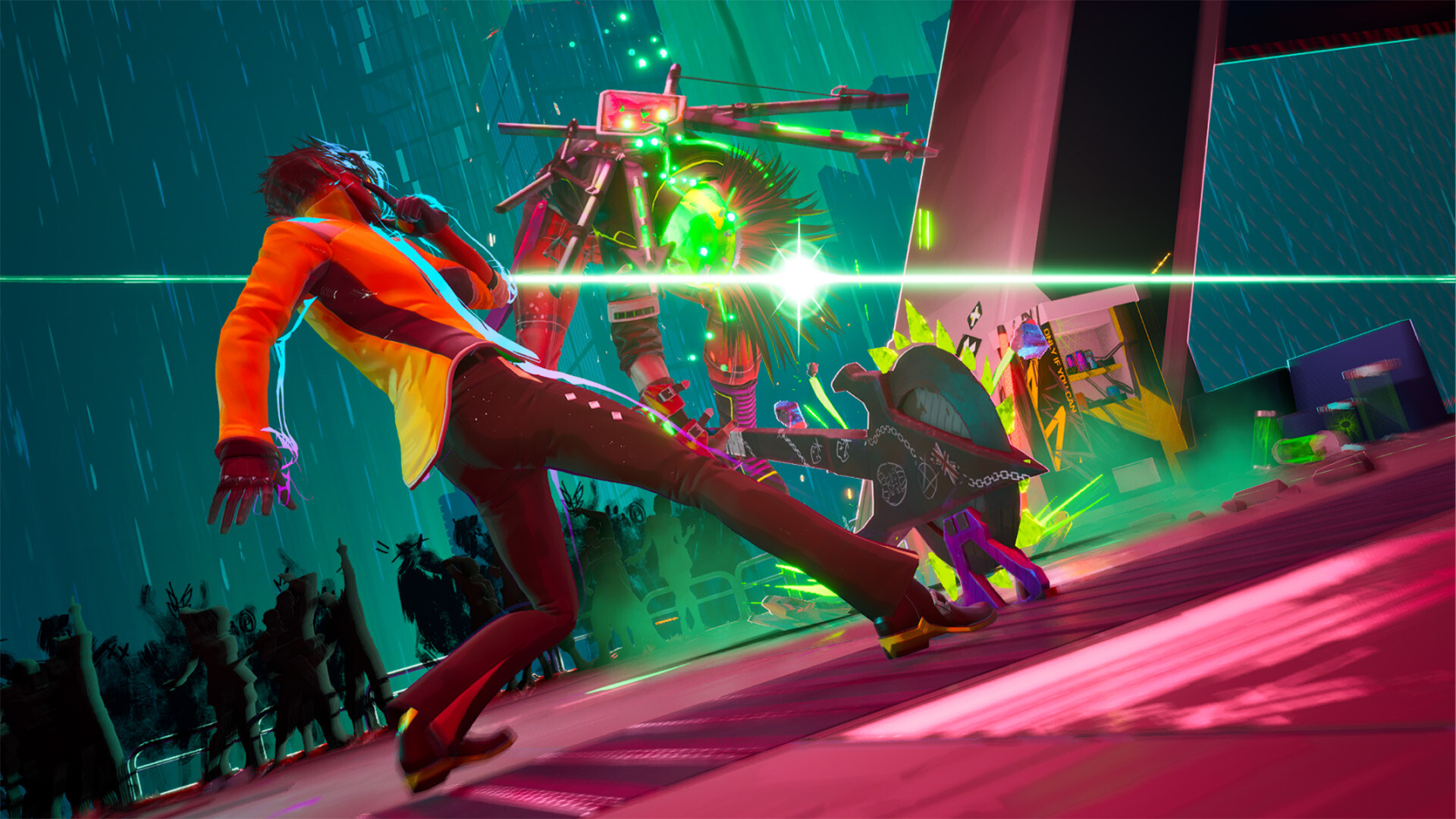
I have played games that look good. I have played games that sound good. I have played very few games that make you feel like you are inside a music video directed by someone who refused to compromise on a single frame, and Dead as Disco is one of them. I went in expecting a rhythm game with a neat gimmick and came out the other side having barely thought about the gimmick at all, because the boss fights were too busy being genuinely, aggressively alive.
Brain Jar Games’ debut is not subtle about what it wants from you. It wants you to feel every hit land on the beat, watch the arena fracture and rebuild around you mid-song, and understand viscerally that combat and performance are the same thing here, and it makes that case so quickly and so completely that by the second boss fight, you have stopped evaluating it altogether and are simply, helplessly in it.
Key Details
- Release Date: May 5, 2026 (Early Access)
- Platforms: PC (Steam, Epic Games Store)
- Price: US$24.99
- Developer: Brain Jar Games
- Publisher: Brain Jar Games
- Review Copy Provided: Yes
One Dead Drummer, Four Corporate Sellouts
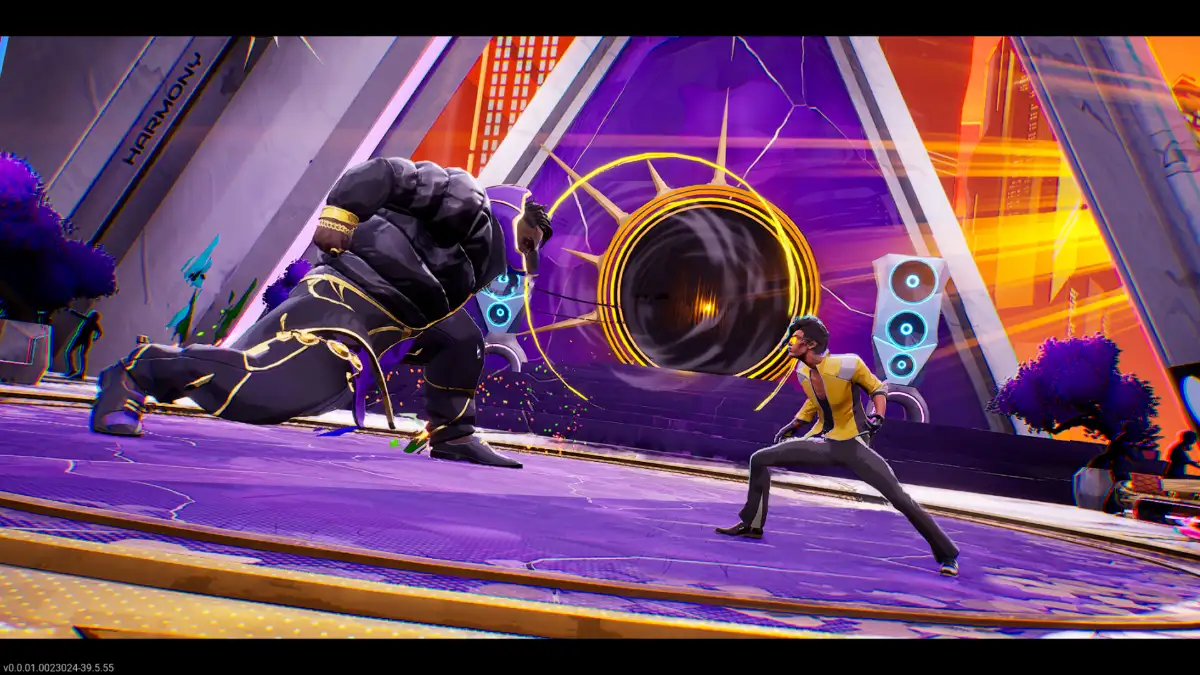


Charlie Disco has been dead for a decade. He wakes up in a purgatory dive bar called the Encore with no memory of who killed him, a yellow jacket that has no business looking that good, and four former bandmates to track down.
Those bandmates, now corporate music behemoths propped up by a conglomerate called Harmony Corp, are not thrilled to see him. Each one gets their own boss fight, their own signature track, and their own arena that mutates and escalates around you as the song builds.
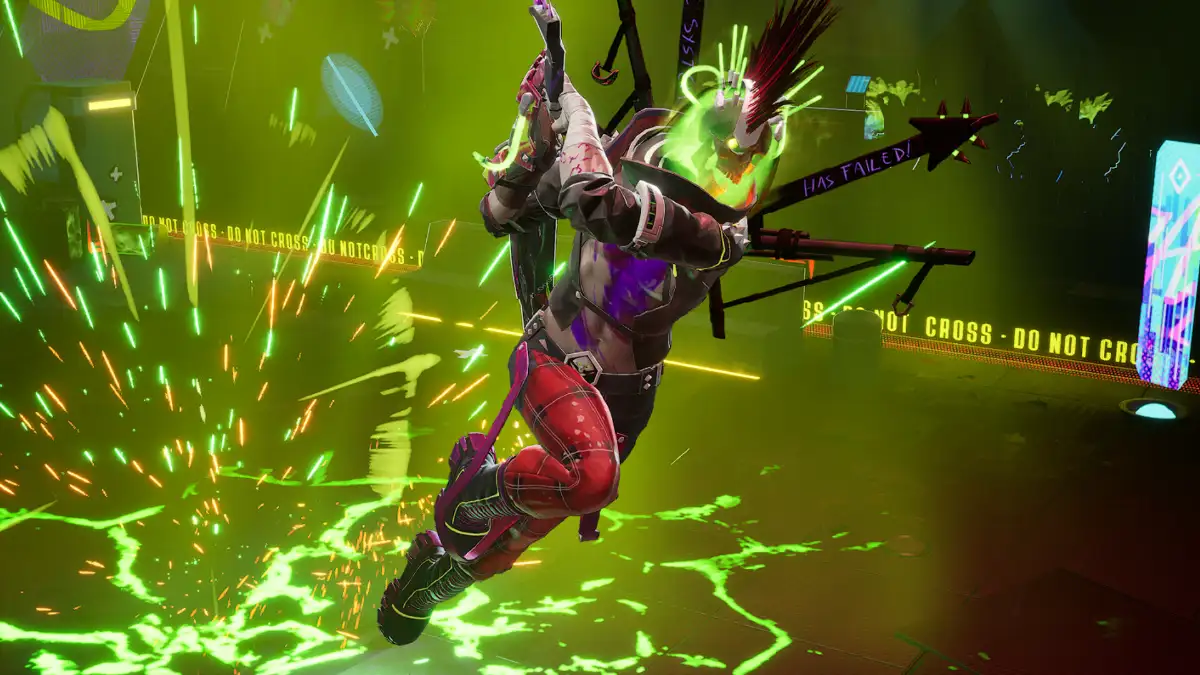
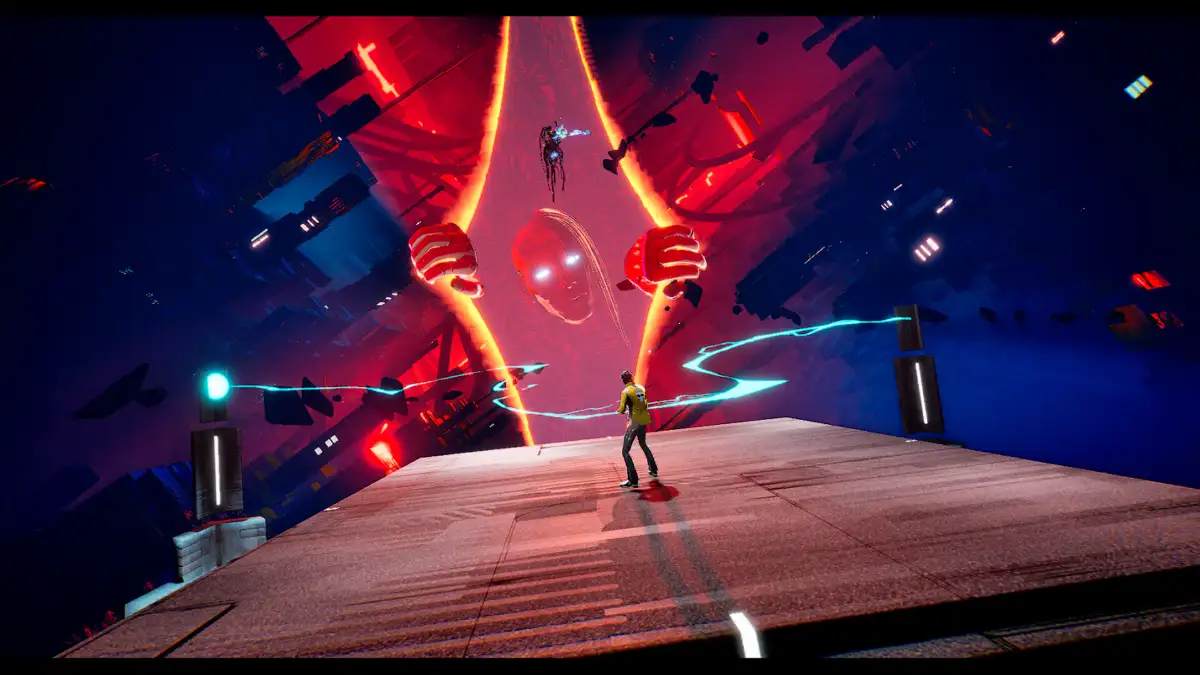
Arora is an AI K-pop goddess who towers over a cosmic plane while laser beams rake the floor. Prophet hurls golden rap lyrics at you that you have to physically block. Dex is a cybernetically enhanced guitar god whose fight throws you through a gauntlet of arena transitions so cinematically staged that I genuinely stopped moving for a second just to watch one of them land.
Not every fight reaches Dex’s bar. Some are shorter, with transitions that fade rather than launch you forward, and after Dex, you feel that gap acutely. Brain Jar Games clearly has the vision for this. The uneven execution just tells you Early Access is doing what it should, showing you the ceiling while the floor is still being laid.
Hitting Things to the Beat Feels Exactly as Good as it Sounds, With One Asterisk

The combat is Arkham-adjacent in the best way: a basic attack chain, a fever meter that fills as you land hits and fuels your special moves, and a counter and dodge system that asks you to read enemy telegraphs carefully. It clicks within minutes and stays interesting across multiple runs, especially once you start unlocking the skill tree and folding each defeated Idol’s signature move into your own arsenal.
The rhythm integration is lighter than the marketing might lead you to believe. Hitting on the beat boosts your score and damage output, but missing it carries no real punishment unless leaderboards matter to you. Players expecting Hi-Fi Rush’s strict rhythmic precision will need to recalibrate their expectations. Everyone else will find that the music drives the energy of every encounter without ever working against you, which turns out to be the smarter design choice.
Disco Infinity mode works, and it is genuinely fun, but know going in that your tracks need to be locally stored files. If your library lives on Spotify, you will be engineering a workaround rather than seamlessly importing a playlist.
The Encore is a Great Idea That Needs More Time in the Room

After you defeat each Idol, they return to the Encore, and you can talk to them, slowly reconstructing the history between Charlie and his bandmates. The concept is interesting, but the execution, at this Early Access stage, is thin.
The conversations are fun, and the characters have personality, but the emotional weight the hub is clearly reaching for is not there yet, and the Encore itself feels emptier than it should for a space that is supposed to carry the story between fights.
It’s not a dealbreaker. It is a promissory note, and on the evidence of what Brain Jar Games has already delivered in the fight arenas, I am inclined to trust it.
Final Score: 8/10
I spent about four to five hours with Dead as Disco‘s Early Access launch, which included replaying fights on greater difficulties and working through Infinite Disco challenges. The campaign itself is shorter than that, and if you play the four boss fights once and stop, you will hit the content ceiling fast.
Brain Jar Games has been upfront about this being a foundation, with more Idols and content coming throughout Early Access, and what is already here makes a strong case for patience. Dead as Disco commits completely to its vision of combat as performance, and that kind of conviction is not something you can patch in later.
**Bonus Action was provided with a PC Steam code of Dead as Disco for the purpose of this review**
About the Author

Discover more from Bonus Action
Subscribe to get the latest posts sent to your email.