
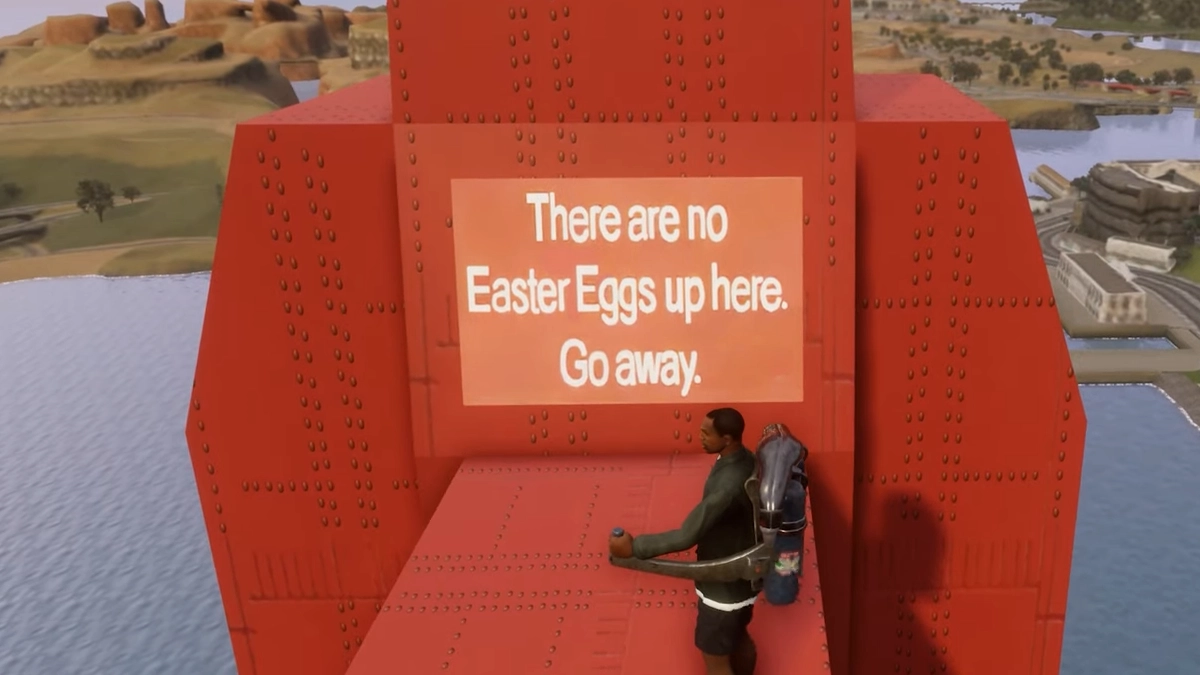
I can’t tell you what GTA: San Andreas is about, but I know that if you enter L1, L2, R1, R2, Up, Down, Left, Right, L1, L2, R1, R2, Up, Down, Left, Right on your PS2, you get a jetpack. Then fly up to the top of the San Fierro bridge and you’ll find some random text that says, “There are no easter eggs up here, go away.”
I’ve known this since I was eight, with a chewed-up analog stick and the kind of drift that could steer a plane. And so, from my borderline useless obsession with easter eggs, this column—this tiny corner of the internet—was born.
In The Egg Files, I go spelunking into developer brainwaves and tinfoil-hat the heck out of video game Easter eggs.
Our inaugural yolk-sleuthing journey is Lost Records, the hauntingly tender game from Life is Strange alums that drops more emotional damage and cryptic graffiti than a Tumblr blog from 2013.
I’m ten hours deep into Lost Records: Bloom and Rage, caffeinated beyond reason, and suddenly—BAM. There it is. A “Fire Walk With Me” scribble on a lighter, and I knew. I knew this wasn’t just another nostalgic deep-cut. This was intentional. Calculated. Egged-up.
I spoke with Michel Koch—creative director, Twin Peaks fan, and licensed memory-miner—about the eggs he planted in Lost Records. And now, finally, we’re laying waste to all the mysteries and Easter eggs you could think of. Everything from “Is Swann intentionally bad at parking?” to “Is Kat hijacking the phone operator on purpose?” will be answered here.
Graffiti Easter Eggs in Lost Records
Let’s start with the canvas of rebellion: graffiti. These aren’t just some throwaway texture files. No, these babies got lore baked in.
I’ll leave the analyzing of Lost Records’ probably gazillion graffiti tags to someone else, though. Here, I’m just focusing on the one that caught my eye the most:

A blue-haired girl with writing that reads—pardon Don’t Nod’s French—“Not your fucktoy.”
I don’t think I need to explain why that is particularly sly.
Michel confirmed: “Yeah, pretty sure that was a nod to Chloe. Even if it’s distant, it’s still part of that lineage.”
DON’TNOD created the character of Chloe for Life is Strange 1, but ultimately left it in the hands of Deck Nine, who decided to launch Life is Strange Double Exposure with behind-the-scenes mentions of Chloe Price.
License Plates & Media References
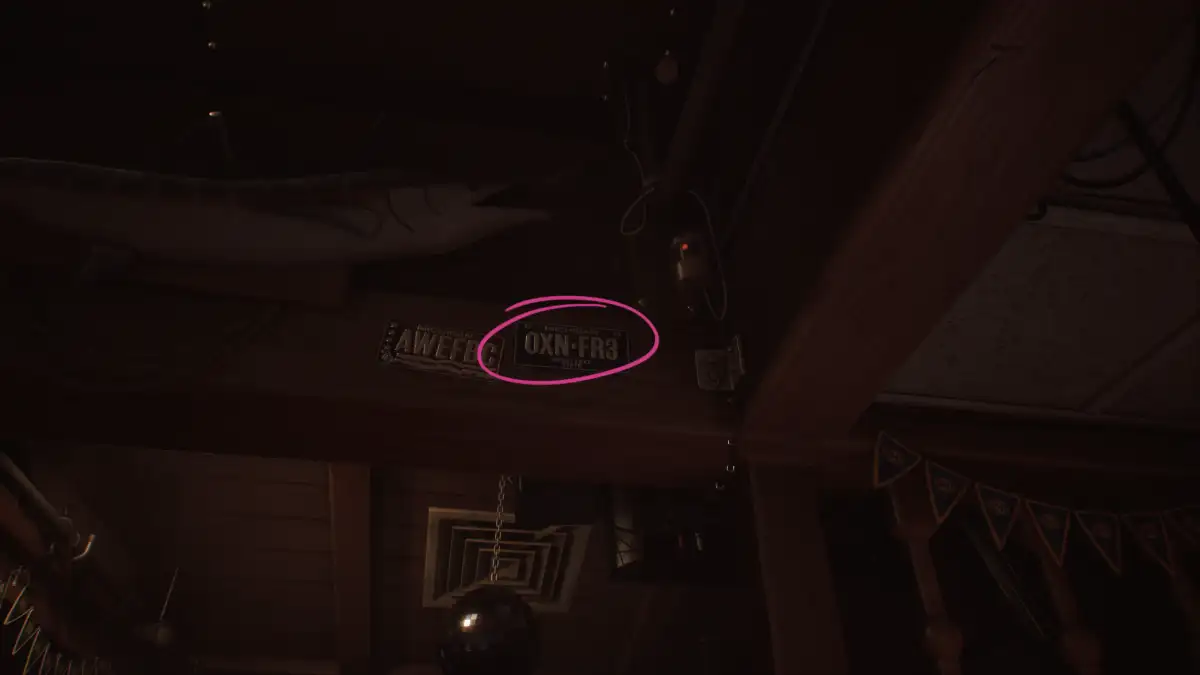

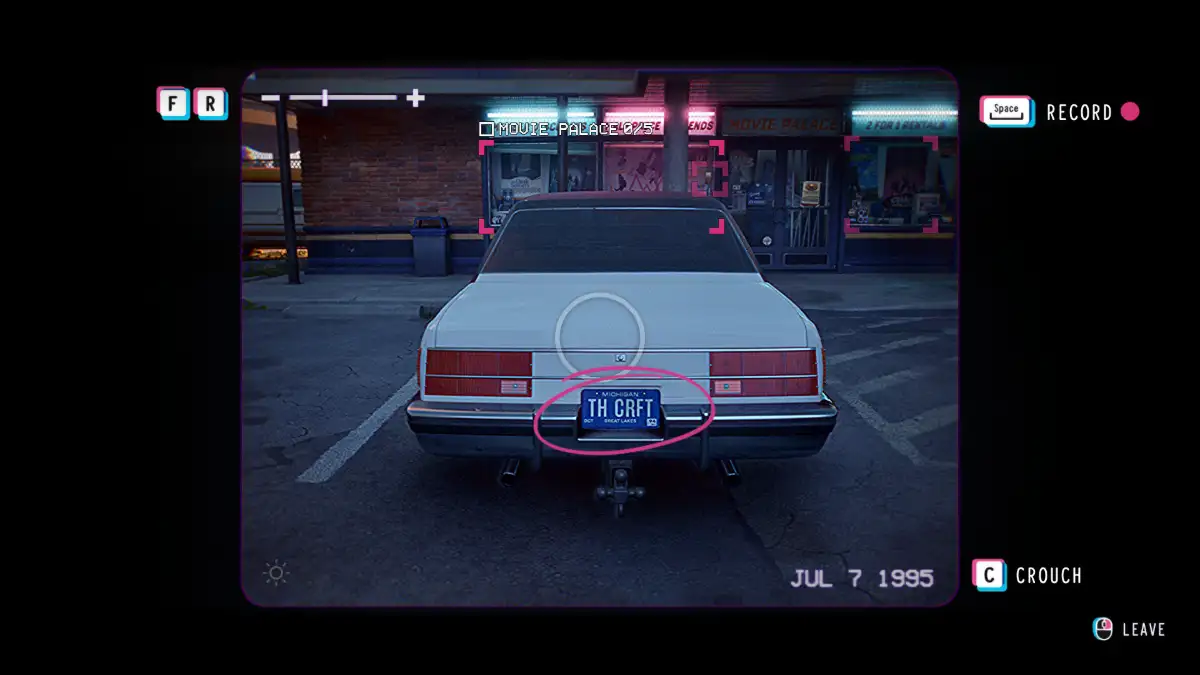

This section could be its own book. Someone’s Letterboxd got turned into a DMV registry.
I saw:
- The Leftovers
- Stand By Me
- The X-Files
- It Follows
- House of Leaves
- Over the Garden Wall
- Night in the Woods
- Alan Wake
- Oxenfree
- I Saw the TV Glow
These are full-blown references to the stories that made this game possible. When I asked Michel why these license plates were incorporated into the game, here’s what he told me:
“I am very nostalgic myself. And I like to reference body of work or things that was inspiring.”
“We went for a lot of movies or books or songs that either for myself or our director or our lead writer. And it’s more like homage to those things.”
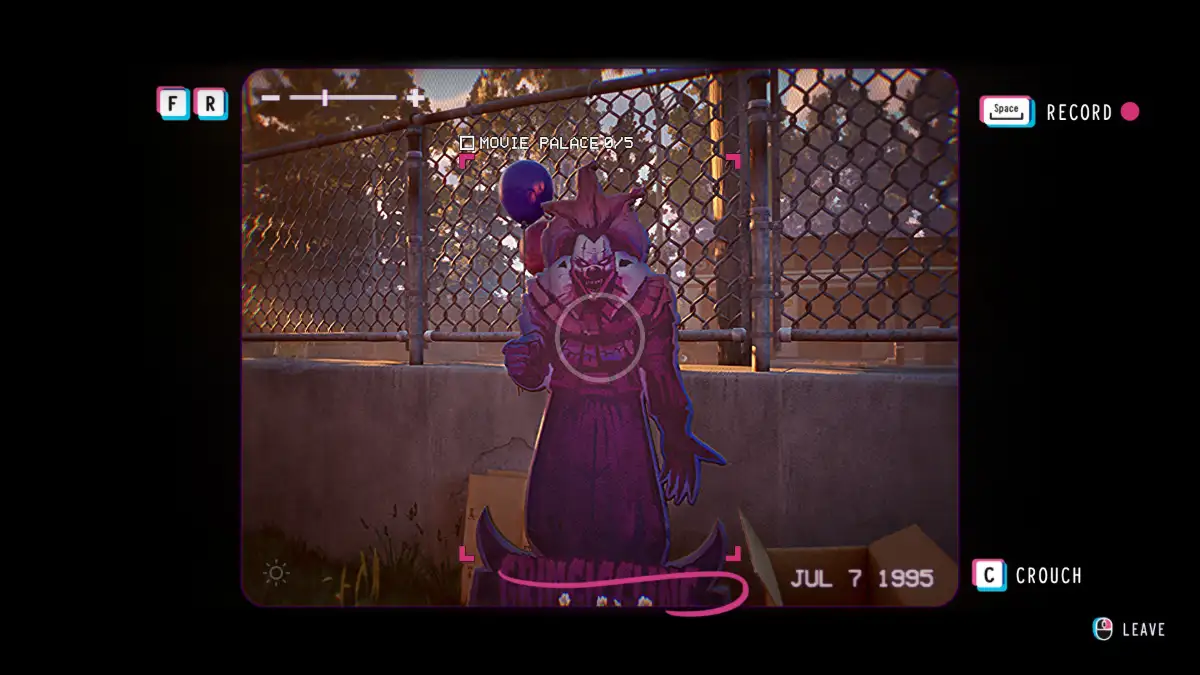
It’s like an emotional mixtape made out of horror movies, queer media, and indie games where everyone’s sad but also vibing. Shout-out to the license plate that just says ITFLWS—yes, it does follow. The abyss is watching.
I got nosy—asked about TV Glow specifically (because that movie is teenage dread in neon form), and Michel said:
“It was brought by our art director, Sam Bradley… He loved the visuals, the lighting, the colors… it was great to give a small homage to this movie.”
So they weren’t all Michel’s picks, which is even better. This game is a communal shrine of inspo and love letters.
Michel continued, “The games you mentioned, like Edith Finch, Oxenfree, Night in the Woods, those are all narrative games that were big inspiration for us.”
He broke it down for me—“Oxenfree for the naturalistic dialogue system, Night in the Woods for the sense of being part of a group, and Eddie’s Finch for the first-person point of view that we are using in the present…”
But he didn’t stop there.
“…but also a lot of the how they are great in Edith Finch at telling strong emotional stories with a lot of environmental storytelling, just visiting rooms.”
These games weren’t just influences—they were anchors. He added, “So those were all games that we had in the back of our mind when we are working on art.”
And it wasn’t just games either. “I think that the same way for TV shows and music and all those history,” Michel said, “it’s like it was for someone a strong inspiration for a specific audience.”
“So those were all games that we had in the back of our mind when we are working on art. And I think that the same way for TV shows and music and all those history, it’s like it was for someone a strong inspiration for a specific audience.”
Every plate tells a story. Like little metal horcruxes of media obsession.

Speaking of obsessions: Michel happens to be a big Buffy the Vampire Slayer fan.
So, no, it’s not just you. The Buffy scene was referenced at the end of Tape 2.
“It was definitely one of the big inspirations, especially for the floating and the shot on the feet…”
If you saw that dance scene and immediately flashed back to Willow and Tara levitating mid-smooch, then congratulations—you’re gay and correct.
Callbacks to Life is Strange
Lost Records isn’t shy about referencing previous Life is Strange games. Some I caught, and one was particularly brought to my attention by Michel himself.
Here’s a full list:
- The Vortex Club case in Nora’s garage, clearly referencing Life is Strange 1’s Vortex Club clique.
- The bar poster with six bottles lined up, potentially a reference to the nightmarish puzzle from Life is Strange 1.
- A coffee grinder brand called “Joy’s” — that one hits emotionally and reminds me of Joy Price.
- Swann’s Illusion Door book hiding a deer, Max’s spirit animal.
- Kat’s mask at the end of Tape 2, which looks dangerously similar to Chloe’s in The Tempest.
- A cardboard sign reading “Will Eat for Food” in an abandoned playground, which is straight from Cassidy in Life is Strange 2.

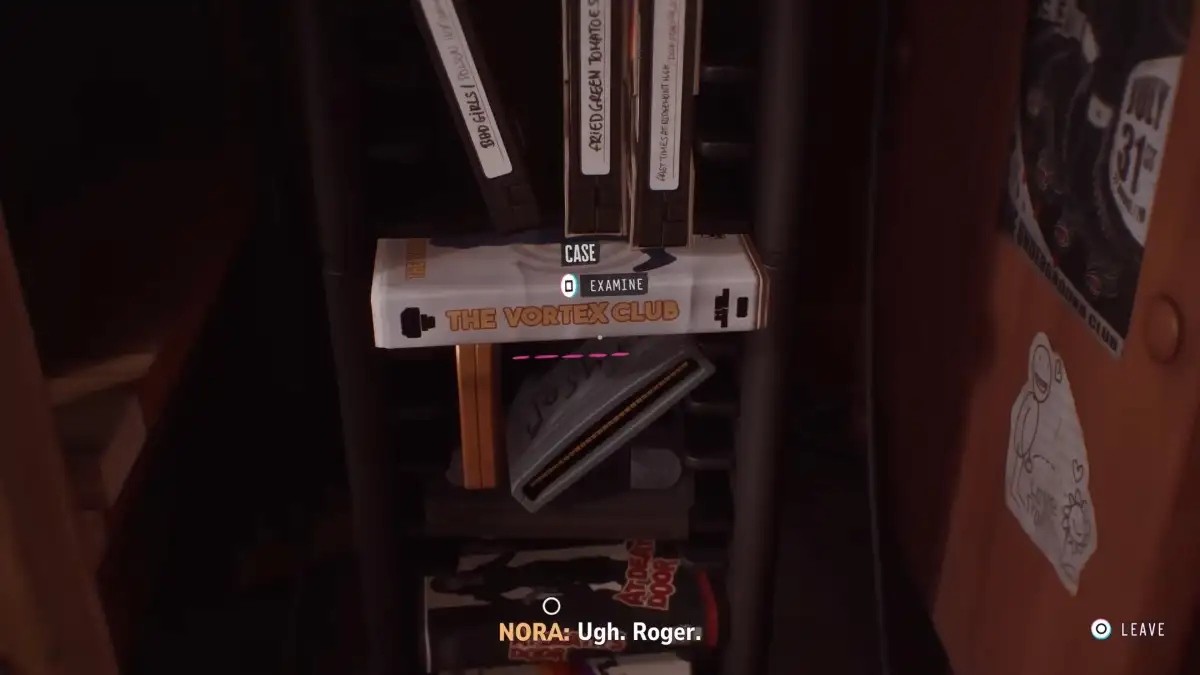
While the first one just earned me a nod, the six-bottles painting was actually a point of contention. Michel said, “I need to check. Maybe someone on the team added it (the painting). It could be a coincidence. I should ask!”
“Joy’s Coffee Grinder” was also a bit doubtful. “That might have been added by our art director Sam Bradley and the environment team. They love slipping in more than what we ask for.”
I love a rogue environmental artist. These are the unsung heroes of the easter egg underworld. Graffiti goblins. Background blessers.
Michel admitted, “We reduced exactly what was written on one of those cardboard signs from Cassidy in episode 3 of Life is Strange 2.”

I think I’m not alone in thinking that Kat’s raven mask kind of looked like Chloe’s mask from Before the Storm, yeah? You’re not wrong.
Michel told me: “That one, fun story—our art director didn’t design it that way intentionally. But once we saw the resemblance, we loved it. It worked. Kat’s spirit animal is the raven, so the mask made sense. Even if it resembled Chloe’s, we were like, ‘That’s cool. Let’s go with it.’”
Why change what slaps? Plus, ravens are totally Kat’s vibe. Chloe would’ve loved her.
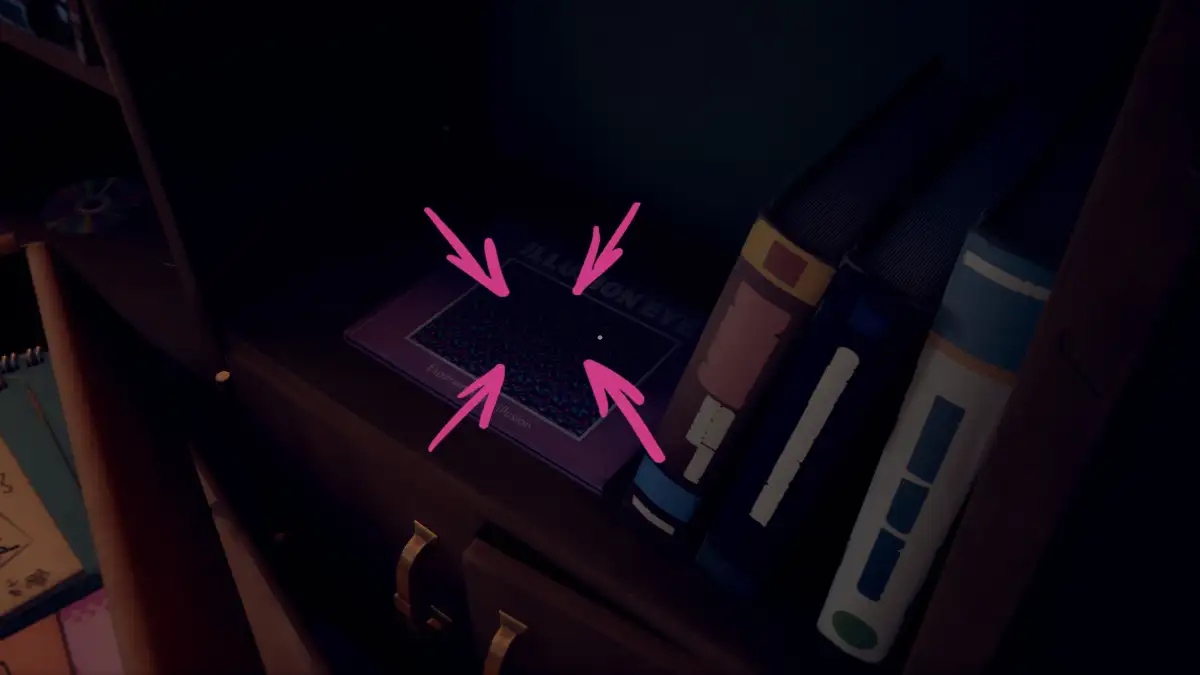
And then: why does every Don’t Nod-adjacent game have a deer? I asked Michel about the Illusion Eye book and the deer thing. His response:
“Not always as a direct reference, but more as recurring motifs we’re drawn to… We’ve reused moths, butterflies, and deer across games.”
So not lore-canon, but vibe-canon. They like the poetic symbolism. They’ve got animal-themed metaphors on speed dial. And honestly, I’m into it. I want every emotional indie game to include at least one cryptic deer sighting. Mandated by law.
I asked Michel why include Life is Strange easter eggs in their new game, and he confessed they’re “very proud of Life is Strange and Life is Strange 2,” so they wanted to give a nod to that.

And he also brought one more easter egg to my attention: “In the playground scene in Lost Records, there’s a cardboard sign that says ‘Will Eat for Food.’ That’s a direct reference to Cassidy in Life is Strange 2.”
Kat & Corey’s Silhouette and weird phone behavior
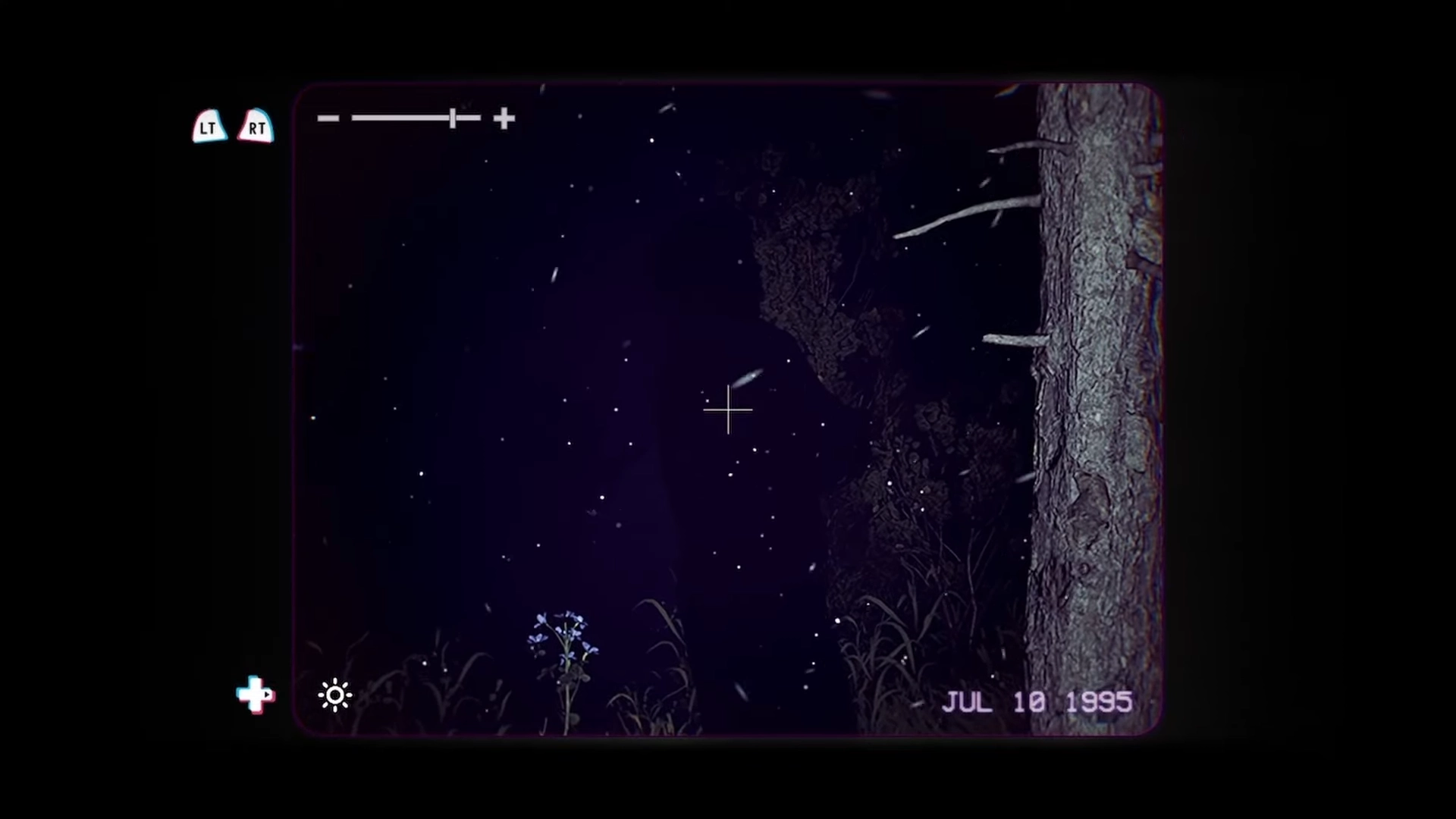
If you were casually sitting at the bar and suddenly saw a flash of a black silhouette on the window, and immediately decided to pause and take a break because, just what the fuck was that, you’re not alone.
Oh, you didn’t? Well, maybe I’m alone in the reaction, but you definitely saw those flashes. A silhouette that looks very much like Kat or Corey pops up every now and then, especially in the second tape of Lost Records. I’d dismiss it as an unfortunate, creepy bug, but turns out, it’s intentional.
Here’s what Michel had to say about it: “It’s totally on purpose.”
When I nudged him with a stick, he revealed: “Without saying too much, you can see that the silhouettes you’re seeing are only from people that disappeared into the abyss, basically.”

This one, you might’ve missed. Dial the wrong number enough times, and the operator decides to bail on you. Instead, Kat replaces him. Now, why would Kat, of all people, be speaking to you on the other end of the line?
This one is “a bit of both,” as Michel said. “When we were recording voices, we knew that we wanted to add more numbers you can call with a voice operator,” he explained, as if I hadn’t tried every phone alteration pasted outside the Blue Spruce.
“And we knew we weren’t going to hire a new voice actor just for a voice operator. So we thought, okay, let’s do it with Natalie (Liconti), Kat’s voice actress, because, in a way, we know that at this point, she’s trapped in the abyss.”
To him, it makes sense since “it’s returning memories from her past that she’s hearing Kat’s voice instead of someone else’s,” and “it felt like semantically okay with where the game is going.”
Twin Peaks References
David Lynch hive, rise.
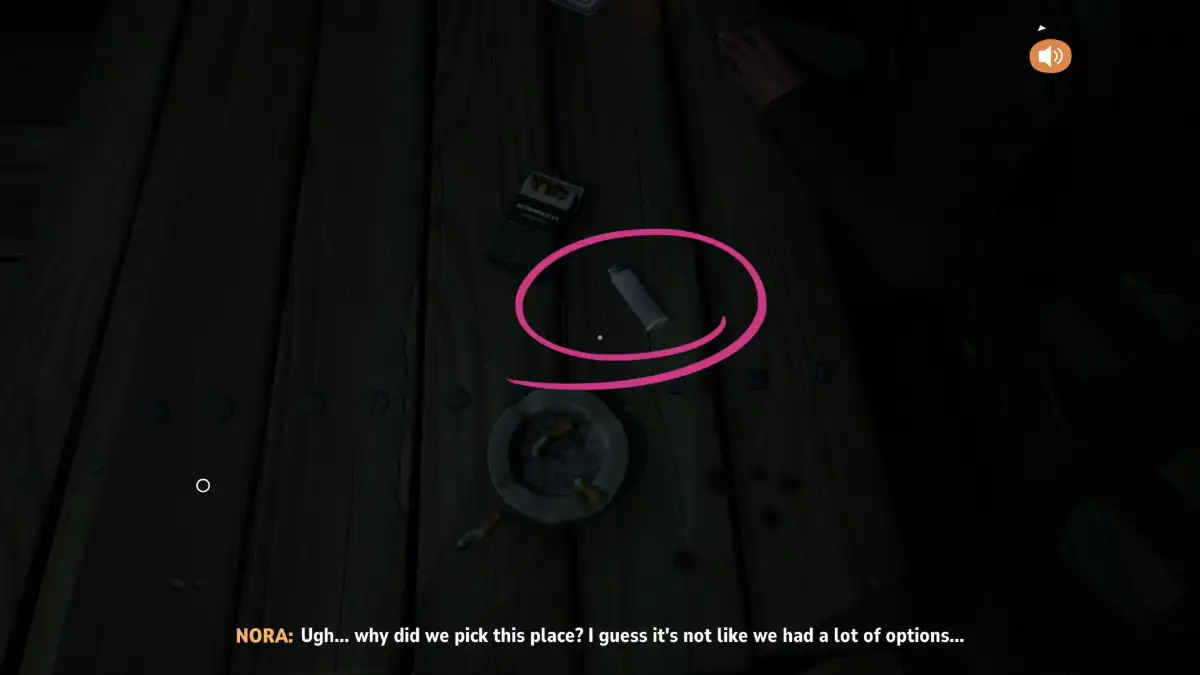

You’ll catch little David Lynch nods all over Don’tNod’s work. From Chloe’s Twin Peaks license plate in Life is Strange to now Nora’s Fire Walk With Me lighter in Lost Records. There’s even an achievement for looking at Swan’s clock at 10:10, which is, funnily enough, called “Gordon, it’s 10:10 AM.” It’s fun to catch these clever nods, but I wondered if that’s all Lynch’s work means to Michel.
Turns out, they’re breadcrumbs leading back to a deeper creative influence. “What I love is how Lynch tells emotional stories without explaining everything,” developer Michel Kolch explains. “It’s all very weird and dreamy, and you don’t need all the answers to appreciate it.”
Michel draws big inspiration from Lynch, saying, “In Life is Strange, even Rachel Amber was inspired by Laura Palmer from Twin Peaks.” He loves how Lynch’s characters are more important than the plot, always focusing on what the characters are feeling, not just what’s happening. It’s all about how they react to the strange world around them.
This is definitely true of Lost Records, or pretty much any other Don’tNod game. The focus is, and has always been, the characters—whether it’s Max, Swann, Sean, or even Chloe, Kat, or Daniel. When I think Don’tNod, I see all of their faces.
“So yes, the references are there—sometimes very directly, like Chloe’s license plate—but also as deeper emotional or narrative echoes,” Kolch concluded.
So, unlike all the gazillion license plates you’ll find in Lost Records, Lynch holds a special place in this work because it’s deeply ingrained in its DNA, rather than just a direct easter egg.
How to Curate a Don’tNod-Worthy Soundtrack
DON’T NOD knows how to make soundtracks that hit different. In Lost Records: Bloom & Rage, they use it to amp up the whole vibe of the story.
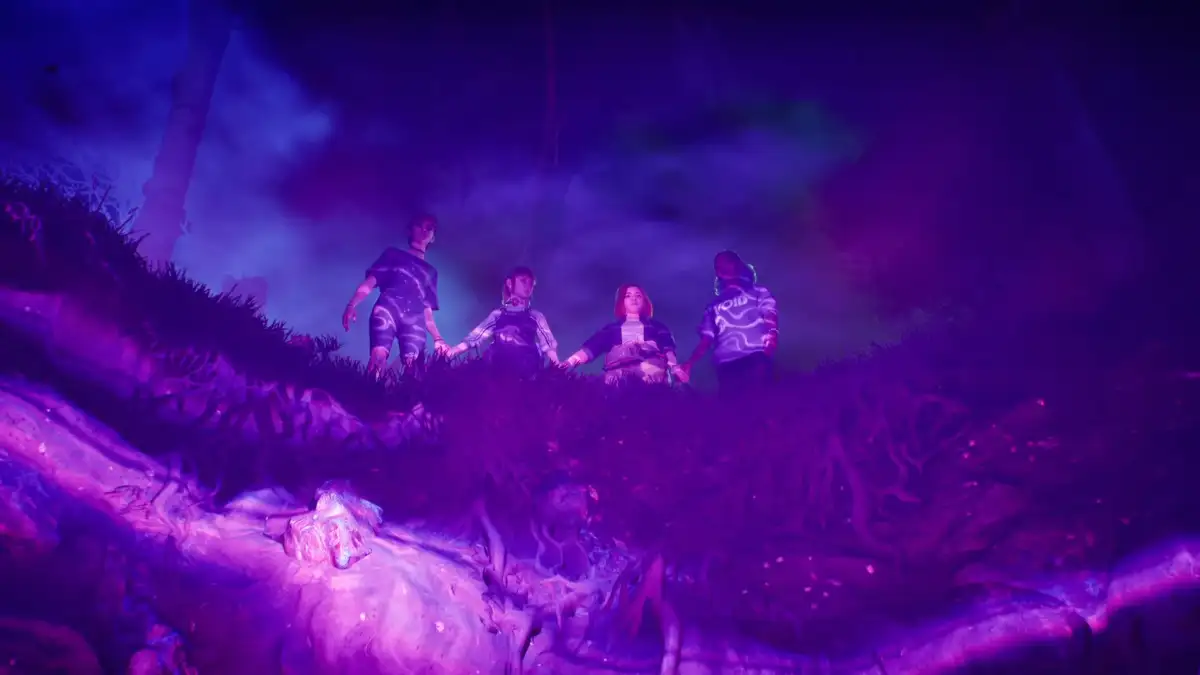
Original tracks + licensed bangers = a perfect emotional rollercoaster.
“We always start with music,” says Kolch. “Even when the story’s still in its early stages, I’ll pick a few songs to set the mood.” One song that made the cut early on is Shadow by Chromatics, way before the band split. “That song was the heart of the game, even before we had a story or visuals.”
The goal was to capture that dual timeline vibe, ’90s and present day, without going full retro. Instead, they went for artists that felt both timeless and emotional. “Dream pop like Chromatics and Beach House are perfect for that. They sound both modern and nostalgic.”
When Chromatics split up during development, they reached out to Ruth Radelet (the lead vocalist), who was going solo. “She loved the project and we made it happen.”
Other collaborations were just as serendipitous—like Montreal’s Nora Kelly, who not only wrote the track “See You in Hell” but also happened to share a name with one of the game’s characters.
The soundtrack almost feels like another character in the story. In one scene, the voice actors sing together, intentionally off-key. “We weren’t sure how it would go, but that raw, imperfect moment? It made the scene so much more powerful.”
Will there be a Lost Records sequel?
If you stuck around for that post-credits scene in Lost Records: Bloom & Rage, you’re probably wondering: Is this just the beginning?
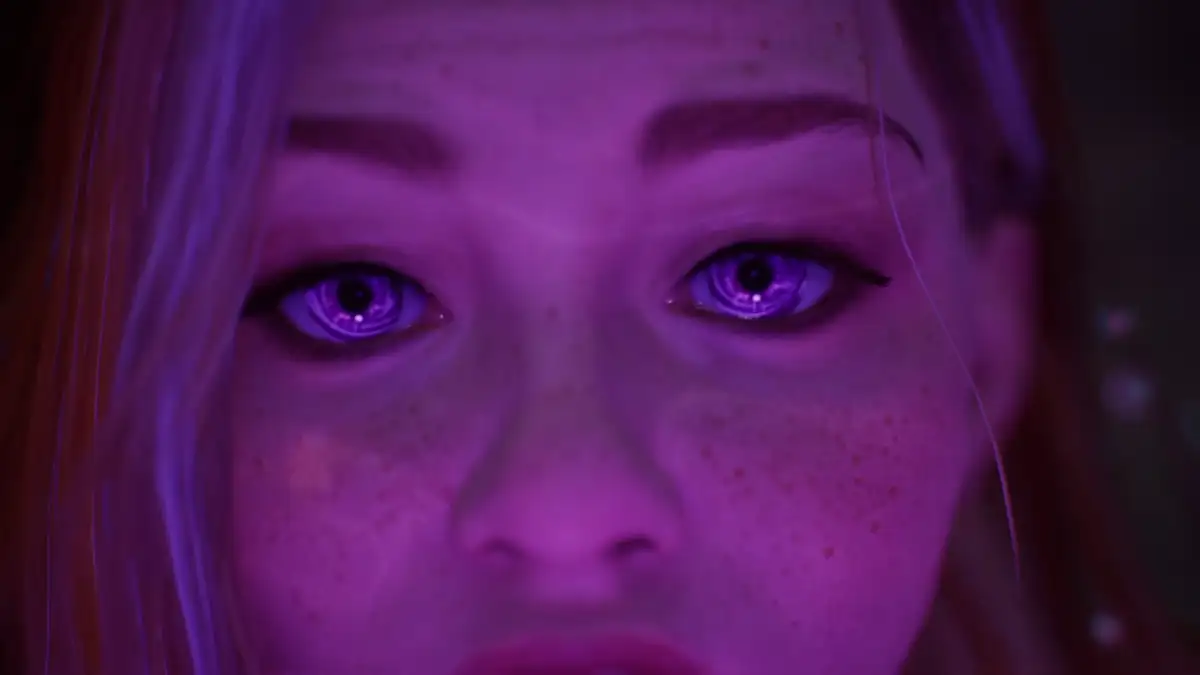
Well, according to Kolch, the answer is a bit of a mix.
“We always saw this story—maybe some people will disagree—but we always saw it as a complete story,” he explained. “Even with the post-credits scene, to me, the story of the summer of 1995, what happened to them, to Kat, their promise, how they reconnect—or don’t—in the present…This is still a whole story.”
But while Bloom & Rage is its own thing, it’s also setting the stage for something bigger. “This is an IP we’re building and owning,” he explained. “We are building a bigger universe with the Velvet Cove, the Abyss, what’s inside the Abyss—that’s something we’d love to explore more.”
As for the post-credits scene, it’s not a cliffhanger—it’s more like an open invitation. The game teases a bigger mythology: Velvet Cove, the abyss, and bigger questions about memory, mortality, and maybe even the supernatural.
“We’d love to come back,” Kolch admitted. “But we still need to see where we go from here. We’re happy with the sales, but we need more players to embrace the game. And we need to decide in what form to tell what’s next.”
What will that next chapter look like? Well, the team’s got ideas for both a direct sequel and more anthology-style stories with new characters. “We could expand the universe with new characters, but we definitely want to come back to the same ones too,” he concluded.
While Don’tNod continues to polish Lost Records and prepares to move on to their next big thing, we can still look at what’s available in the game, as he revealed “A lot of the links—things in the old cabin, articles about the miners, the mining company—all of it works in this game, but also hints at future stories.”
Lost Records: Bloom & Rage is a cryptic scrapbook of narrative nods, emotional callbacks, and cinematic chaos. From Buffy easter eggs to cardboard signs from Life is Strange 2, this thing is stuffed with the kind of references that make nerds and LiS fans like me feel seen. And maybe a little bit haunted.
About the Author

Discover more from Bonus Action
Subscribe to get the latest posts sent to your email.







1 thought on “The Egg Files – Lost Records Director Michel Kolch on Twin Peaks, Life is Strange & Sequel”