
I have no nostalgia for Game Boy Color cartridges, and I have never played Shovel Knight, which probably disqualifies me from half the conversations happening about this game.
Everyone calls Mina the Hollower a Soulslike, a retro Zelda throwback, a love letter to handheld hardware from another era. None of that was ever going to move me. What moved me was the color palette, which stopped me cold every time I saw it, not because it evoked anything from my past but because it is simply, stubbornly gorgeous.
Yacht Club Games built this game to actual GBC technical constraints: four colors per tile, no 3D assets, a genuine artistic commitment rather than a marketing angle. I filed it under “probably not for me” and kept moving. Then Silksong wrecked me, and Animal Well wrecked me, and I realized that every time I wander outside the JRPG comfort zone I have inhabited since 2006, something extraordinary happens to me. So I picked up Mina the Hollower.
And boy, am I glad I did.
Key Details
- Release date: May 29, 2026
- Developer: Yacht Club Games
- Publisher: Yacht Club Games
- Price: $19.99
- Platforms: PC, Mac, Linux, Nintendo Switch, Nintendo Switch 2, PS5, Xbox Series X/S
- Review code provided: Yes, for Nintendo Switch 2
The Curse Demands Your Full Attention
Mina the Hollower is, above everything else, a game about paying attention. You might as well play it with a spyglass.
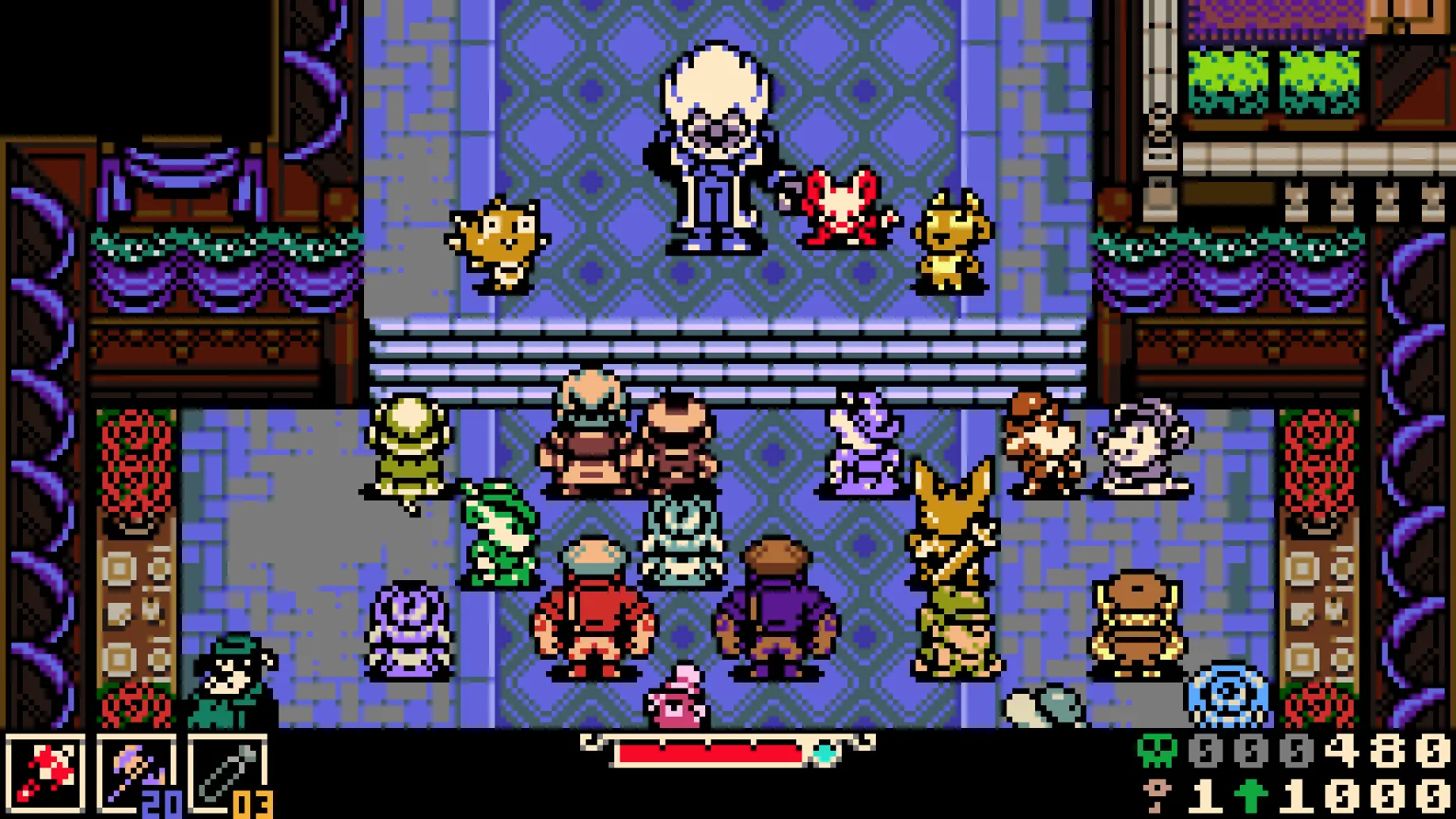

Everything on the map means something, truly. Not in the way some games reward exploration with a collectible and a pat on the head, as if to say: good job, you were very clever, here is a trinket. No. In Mina, that level of cleverness is the price of admission for the main stuff. The game builds the world, trusts that you’re watching, and rewards the moment you finally are.
A pipe outline pressed into a floor tile is a clue pointing to a shortcut, and a puddle you’ve crossed ten times is a burrow point. A hole under a table is a secret passage. You walk by an area over and over before you stop dead and think: wait, that outline… that’s not decoration.
And then you’re through, and there’s a whole room on the other side that the game never mentioned, and you feel like the smartest person alive for approximately four seconds before the next thing humbles you completely.
It reminded me of Disco Elysium, of all things. Obviously not the vibes or not the genre — nothing like that. Just the specific sensation of rattling your brain for ideas, of squeezing every available inch of every available screen for a clue, and then the particular quality of the “AHA!” moment when it finally arrives.
Progress in Disco felt earned in a way that most games don’t bother with. Mina does the same thing, spatially. Mina doesn’t plant a waypoint over Ossex and wave you toward the objective. It gives you a map, eventually, if you find the right person in the Hollowers’ Guild and know how to ask. Otherwise, you navigate Tenebrous Isle the way Mina herself would: by feel, by memory, and by looking at everything at least twice. Possibly three times. Maybe even more.
Bones, bosses, and dying your way back
Mina the Hollower‘s difficulty is relentless. There is no room to breathe and no safe plateau where you get to feel good about yourself for a while. Combat, traversal, and exploration each carry their own weight, and they pile onto each other with cheerful cruelty, the way a game does when it has been designed by people who genuinely wanted to make something hard.
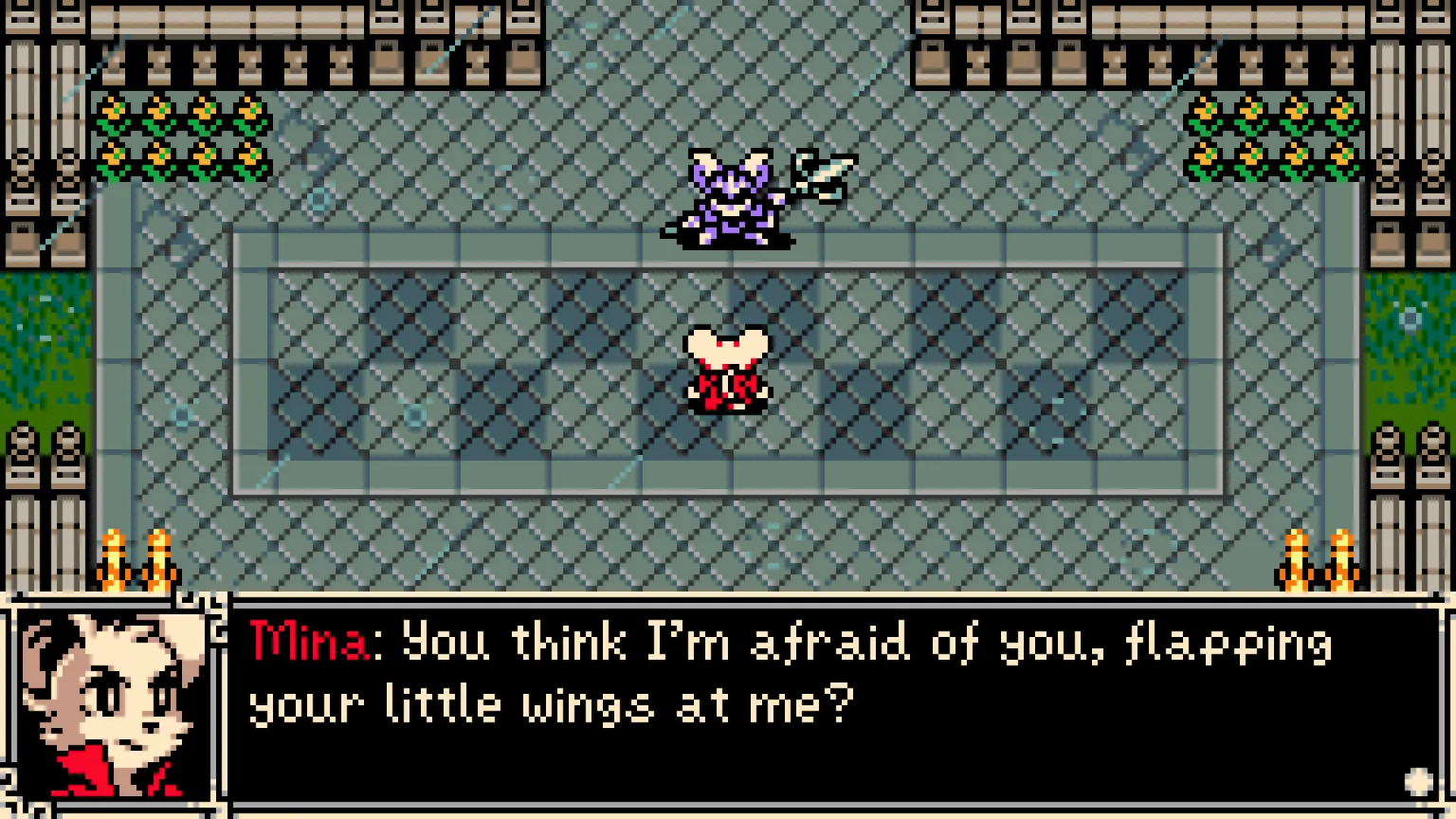

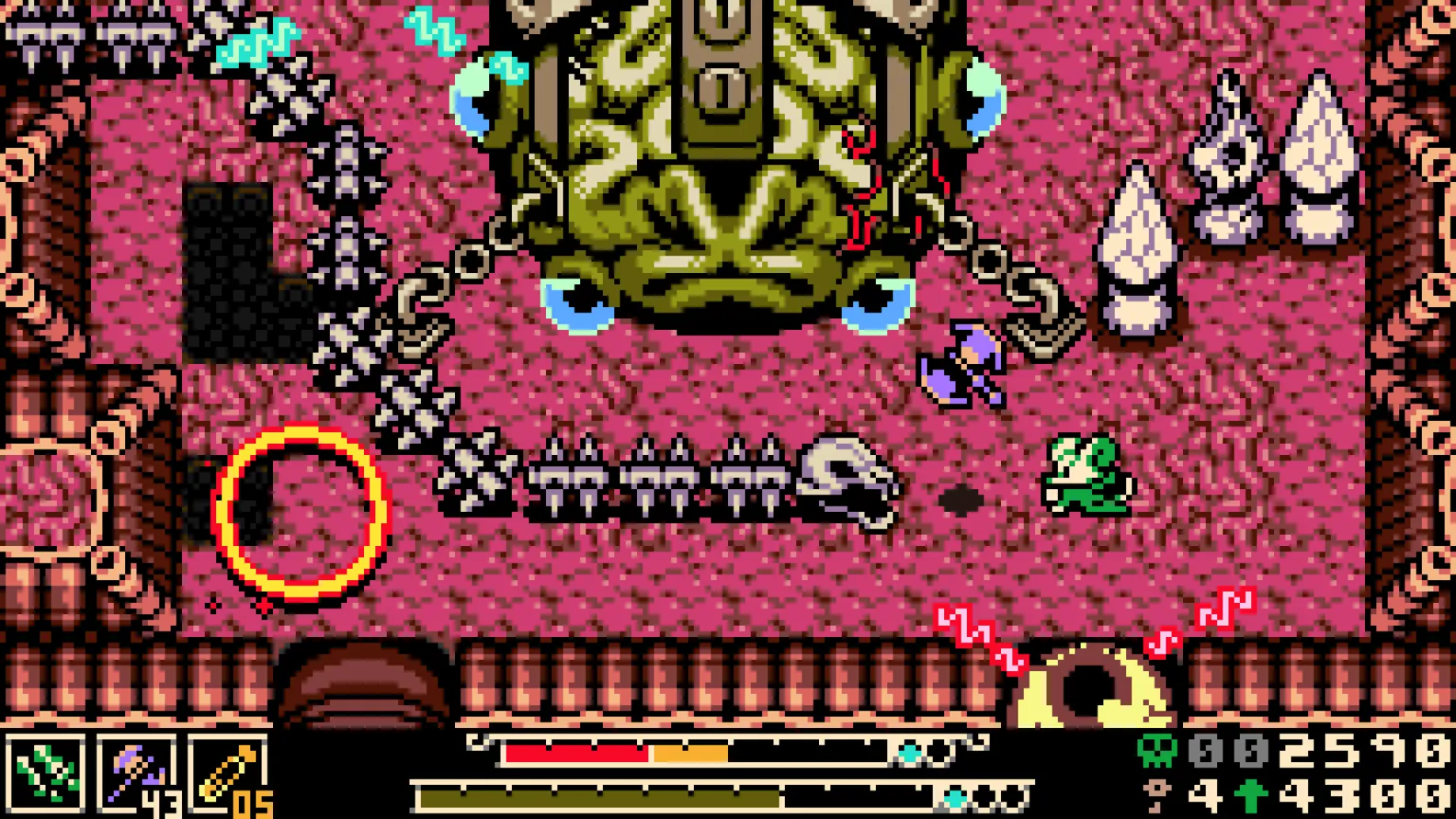
Die in a fight, and you walk back from the last checkpoint, through the traversal section you just learned, until you arrive at the boss again with whatever Plasma Vials you managed to recover on the way. The Nightstar whip is a genuine joy to swing.
The bosses, though, are made of something different. They will not let you claim victory until you have sat with their full moveset, memorized it, respected it, and stopped panicking. I died a lot. I died embarrassingly. I died in ways I would prefer not to put in writing.
But Yacht Club Games did something I find almost moving in its generosity: they built their own trainer and shipped it inside the box. The modifier system lets you take less damage, slow the world down, burrow infinitely, walk on spikes, or walk on pits.
If you can’t figure out a puzzle, well, that’s what the internet is for, but at least the game itself won’t punish you for the traversal on the way back to finding out.
You can even double all incoming damage if you hate yourself in a new and specific way, or, for the truly unhinged, activate inverted controls and inverted screen simultaneously. I am not joking. That is a real modifier that a real person at Yacht Club Games decided to include. I respect it enormously.
The game is punishing by default but completely yours to shape, and that combination is exactly why it works for everyone. The hardcore players can suffer beautifully. The rest of us can choose to take 0.50% damage and get on with our lives.
There is also something to be said for how Mina tutorializes without ever stopping to explain itself. I do not think I received a single block of text telling me how to play, how to use a weapon, how to heal, or how to get through a traversal puzzle. The game introduces mechanics by building situations that require them, and if you get truly stuck, there is always an NPC nearby who will give you just enough of a nudge without spelling it out. It is a genuinely rare thing, a game that trusts you while also being kind to you.
Verdict: 10/10
Mina the Hollower is the best thinky game I’ve played this year, and it isn’t particularly close. It looks like a love letter to a console I never owned and plays like something that has absorbed every lesson the medium has learned since then. If you are also not the target audience: go anyway.
**Bonus Action was provided with a Nintendo Switch 2 code for Mina the Hollower for the purpose of this review**
About the Author

Discover more from Bonus Action
Subscribe to get the latest posts sent to your email.