
via Koei Techmo Games
Fatal Frame II: Crimson Butterfly has long been remembered as one of survival horror’s most unsettling games, which makes the idea of a full remake especially compelling. A modern reimagining should be able to preserve what made the original so effective while using new technology to deepen its atmosphere and sharpen its presentation.
I came to Fatal Frame II: Crimson Butterfly Remake with a glancing familiarity with the original. I had never played it myself, but I had watched others play it a few times (R.I.P. Super Best Friends Play) and understood both the concept and the original gameplay loop. That left me in a position where I could appreciate the game’s legacy while still judging this remake largely on its own terms.
Playing on Nintendo Switch 2, the first thing that stood out to me was the presentation. The game’s strong point is its visuals, particularly the environments. Minakami Village looks eerily stunning, and sparse warm sources of light stand out brilliantly against the village’s dark, cold façade. The sound design is also excellent, and is enhanced when playing in handheld mode, as it fully takes advantage of directional audio for especially tense moments.
Unfortunately, those strengths were not enough to carry the rest of the experience for me.
Key Details:
- Release Date: March 12, 2026
- Developer: Koei Tecmo Games
- Price: $49.99
- Platforms: Nintendo Switch 2, PlayStation 5, Xbox Series X|S, PC
- Review Code Provided: Yes, For Nintendo Switch 2
A strong atmosphere cannot hide technical issues
For a game so dependent on immersion, its performance problems are hard to ignore. On Nintendo Switch 2, Fatal Frame II: Remake is locked to 30 FPS and still struggles with stuttering and frame drops, especially during combat. That instability makes the game feel sluggish and slow in ways that work directly against its tension. Rather than feeling deliberate or oppressive, movement and exploration can come across as uneven.
In a horror game, especially one where timing is paramount, rhythm matters. Every pause, sound cue, and enemy encounter relies on the player staying absorbed in the experience. When performance issues keep interrupting that flow, it becomes harder to stay invested in the fear the game is trying to build.
The remake is less frightening than the game it is based on
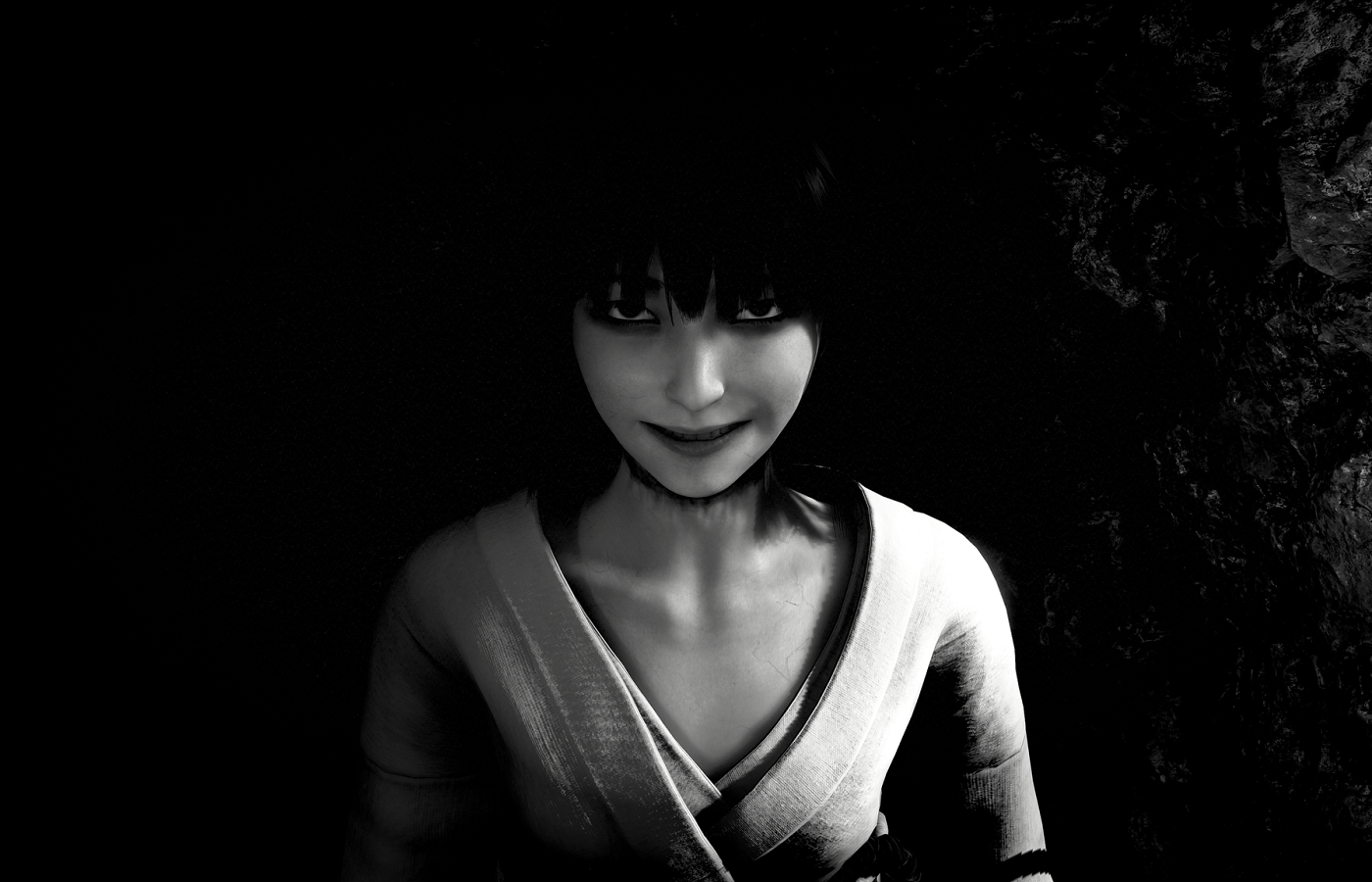
What disappointed me most is that this version feels noticeably less scary overall. One of the biggest reasons is the shift away from fixed camera angles in favor of a fully player-controlled third-person camera. That change may make the game feel more modern on paper, but it also removes a great deal of the tension that came from not being able to fully control what you could see. The original’s framing created uncertainty. Walking down a hallway without being able to see what might be lurking around the next corner provided a unique sense of anxiety. This remake gives too much of that power back to the player, and the horror is weaker for it.
The spirits themselves still look great, but the game also overexposes them. Because combat encounters have a tendency to drag, you end up seeing far too much of the ghosts for them to remain especially frightening. What should feel threatening gradually becomes too familiar, and that familiarity dulls the effect.
Some of the new tension-building ideas also miss the mark. The slow hand grab when reaching for items feels more annoying than scary. Since it does not trigger for every item, it never becomes a reliable source of dread. When it does happen, I am less afraid of a ghost grabbing me and more annoyed at the possibility of being pushed into another combat encounter.
Combat turns horror into a chore

Speaking of combat, it is by far my biggest gripe with Fatal Frame II: Remake. Fending off spirits with the Camera Obscura feels like a chore, and it never became fun over the course of the game. That is a major problem for a remake built around repeated ghost encounters, because so much of the experience depends on those fights feeling tense rather than exhausting.
Part of the issue is how the spirits behave. They are more aggressive here than in the original, which technically makes encounters more difficult, but also strips away some of their mystique. In the original, spirits would disappear and reappear around a room, adding uncertainty and making each encounter feel unnerving. In this remake, they tend to remain directly in front of the player and attack over and over, only occasionally moving to the side just out of view to force the player to reposition. Because the wraiths are so often planted right in front of you, lunging repeatedly until they are exorcised, they stop being scary very quickly.
The remake does introduce new combat tools like Focus, Zoom, and Filters, and these are welcome additions in theory. In practice, I found the controls for each awkward and a little hard to get used to. Rather than making combat feel more flexible or strategic, they often add one more layer of friction to a system that is already struggling to feel satisfying.
You are also given multiple types of film, each with its own loading times and exorcismal power. In theory, that should add strategy to each fight. In practice, it mostly makes encounters feel uneven. Knowing which film types to use in certain situations can make the difference between a quick fight and a slow, long one, but most fights still felt like a slog. The time it takes to reload film and the sheer number of hits some spirits can take drag encounters out for a frustrating amount of time.
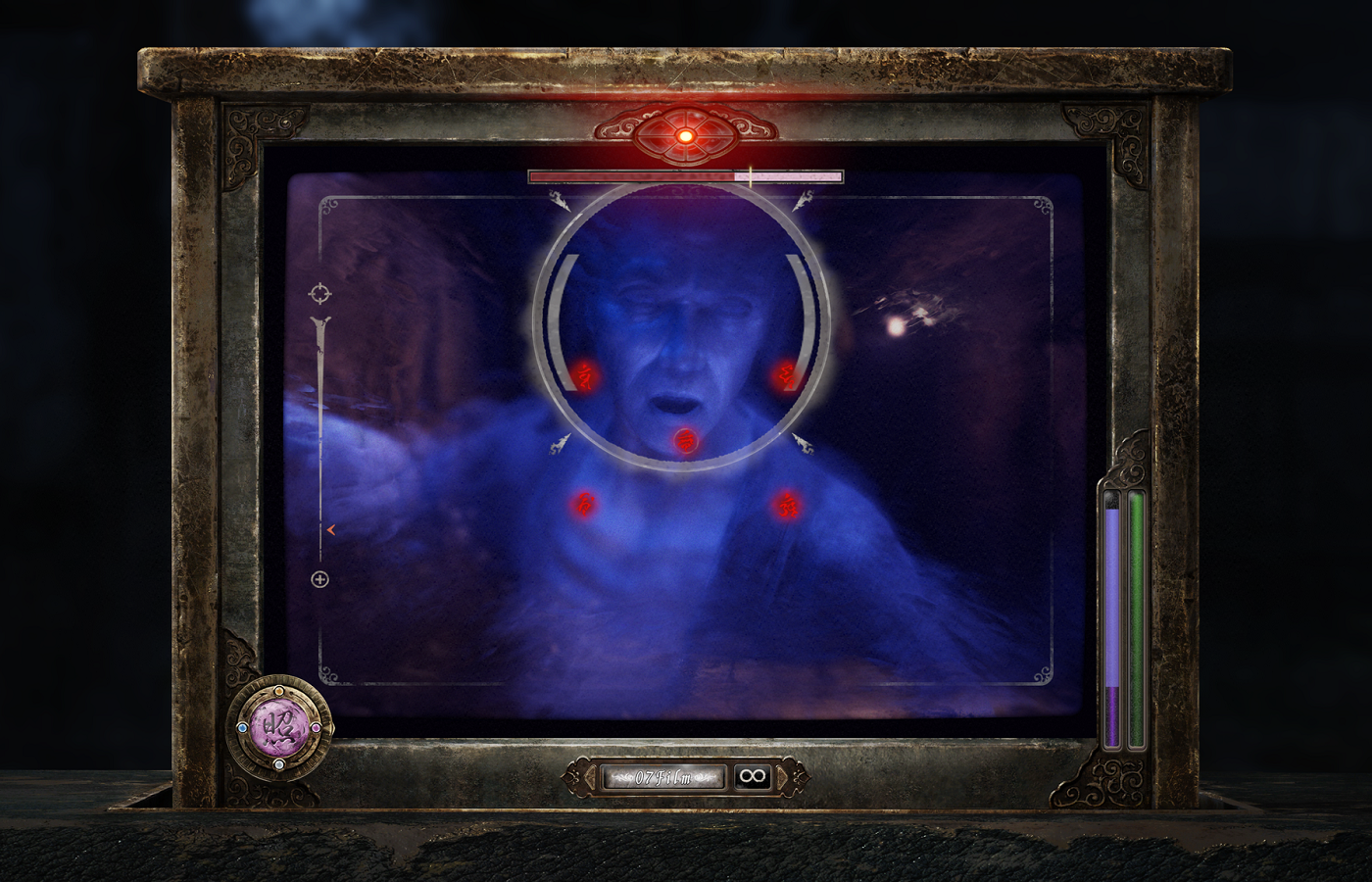
That problem only gets worse when wraiths become aggravated. Once they do, they become stronger, more aggressive, and can even recover health, which makes fights take even longer. Rather than escalating the fear, that mechanic often just extends the frustration.
Fatal Frames and Fatal Time should be the systems that make the Camera Obscura feel rewarding. A perfectly timed photo can briefly stagger a wraith, and taking a Fatal Frame while a wraith is vulnerable can activate Fatal Time, allowing for multiple photos in quick succession. The problem is that the payoff often does not match the effort. Fatal Frames are often not enough to buy time to reload certain film types, and while Fatal Time is not especially difficult to activate, the damage is not always as rewarding as it should be. Even when the game asks for precision, it does not always reward it in a satisfying way.
Mio’s movement only makes all of this worse. She is incredibly slow, which makes avoiding attacks difficult, especially in the face of these more aggressive wraiths. In the event that a wraith does teleport around an arena, repositioning to get an effective shot can feel like dragging Mio’s feet through mud. Between her sluggish movement and the combat system’s awkwardness, fights often feel less like a test of nerve and more like a fight against the controls themselves.
The story remains one of the game’s best qualities
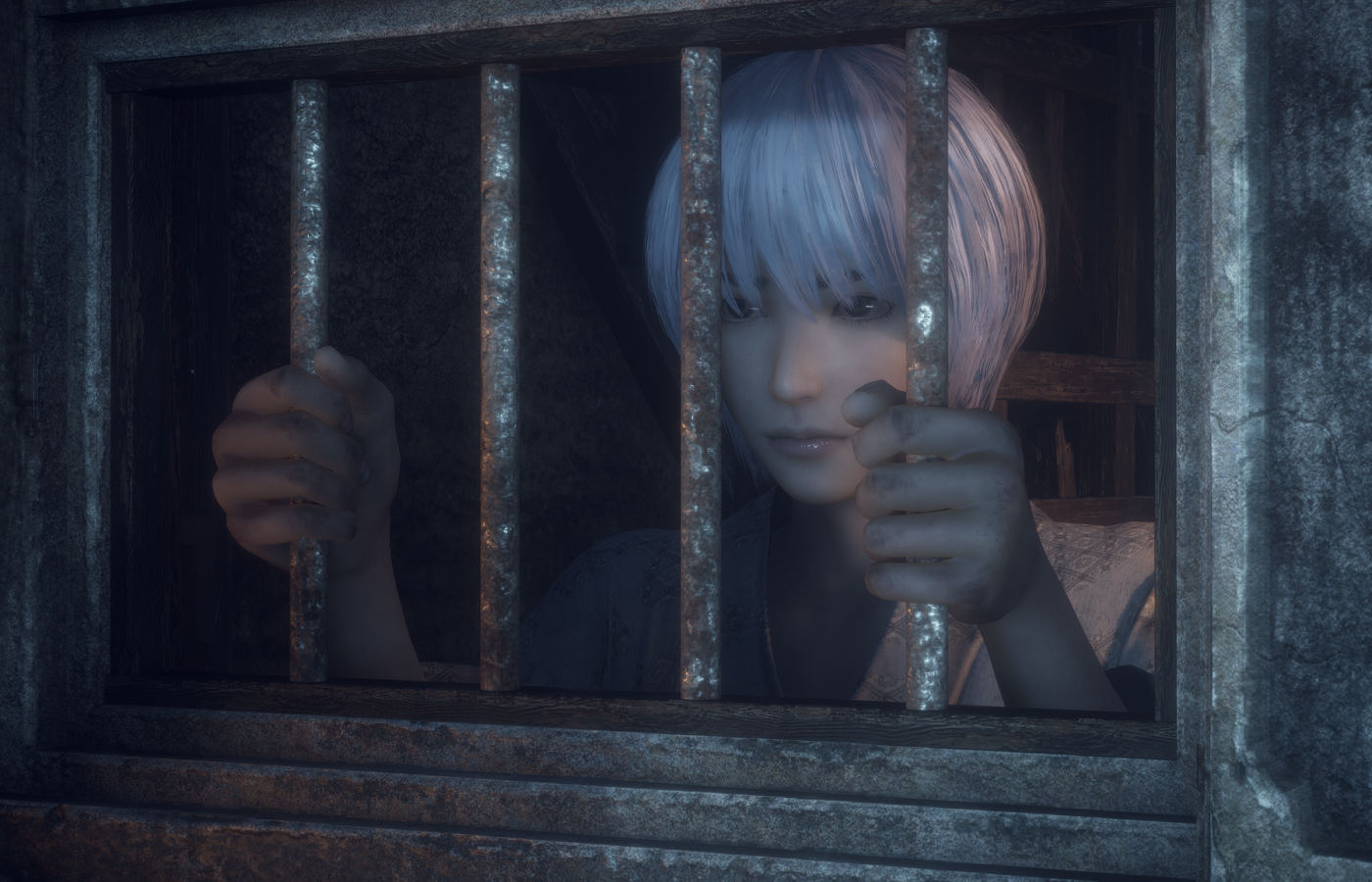
For all of my issues with the gameplay, Fatal Frame II: Remake still gets one major thing right: its story. As a fan of Japanese horror, this is where the game connected with me most strongly. Fatal Frame II still hits the nail on the head in terms of its dark and depressing atmosphere, and Minakami Village continues to feel like a place shaped by grief, ritual, and violence.
That sense of unease gives the narrative real weight, and it is one of the main reasons the game remained compelling even when the combat wore me down. The side stories are especially effective in this regard. Following trails left behind by wandering spirits to learn more about the village or how an unfortunate soul met their demise almost always feels rewarding in its own right, except when following such a trail leads to another sluggish fight.
The relationship between Mio and Mayu also still carries emotional value. One of the remake’s nicer additions is the ability for the sisters to hold hands, which doesn’t just visually emphasize their bond, it also lets them heal health and willpower more quickly. It is a thoughtful touch that fits the emotional core of the story well. Unfortunately, the two spend far too much of the game apart for it to matter much mechanically.
Final Score – 6.5/10
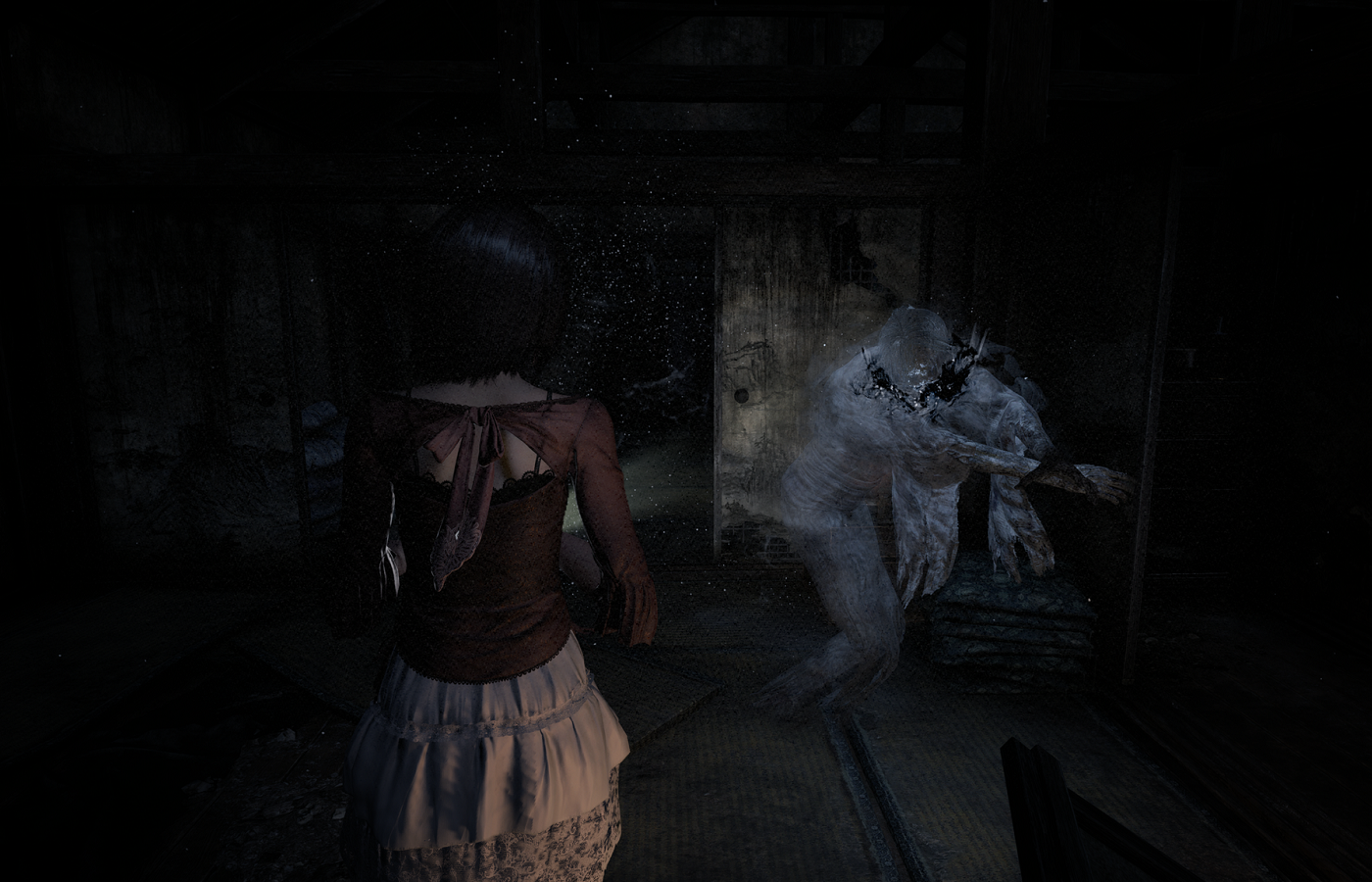
Fatal Frame II: Crimson Butterfly Remake is a visually impressive reimagining of a survival horror classic, and when it leans on atmosphere, sound design, and story, it shows real strength. Minakami Village has been beautifully recreated, and the game still understands the tragic, oppressive tone that gives Fatal Frame its identity.
Those strengths are undermined by sluggish performance on Nintendo Switch 2, a less effective horror presentation, and combat that too often feels like a chore instead of a source of tension. The result is a remake I could admire more than I actually enjoyed playing.
Fans of Fatal Frame and Japanese horror may still find plenty to appreciate here, but the demo is likely the best way to tell whether this remake’s approach to combat and pacing will work for you. While I did not have an enjoyable experience, others may feel differently once they get a sense of the combat and pacing for themselves. If adjustments are made to enemy aggressiveness and how much health they have or damage they take, this could become a much more enjoyable horror experience, though that still would not solve the game’s performance issues.
**Bonus Action was provided with a Nintendo Switch 2 copy of Fatal Frame II: Crimson Butterfly Remake for the purpose of this review.**
About The Author

Discover more from Bonus Action
Subscribe to get the latest posts sent to your email.