Screenshot by Bonus Action
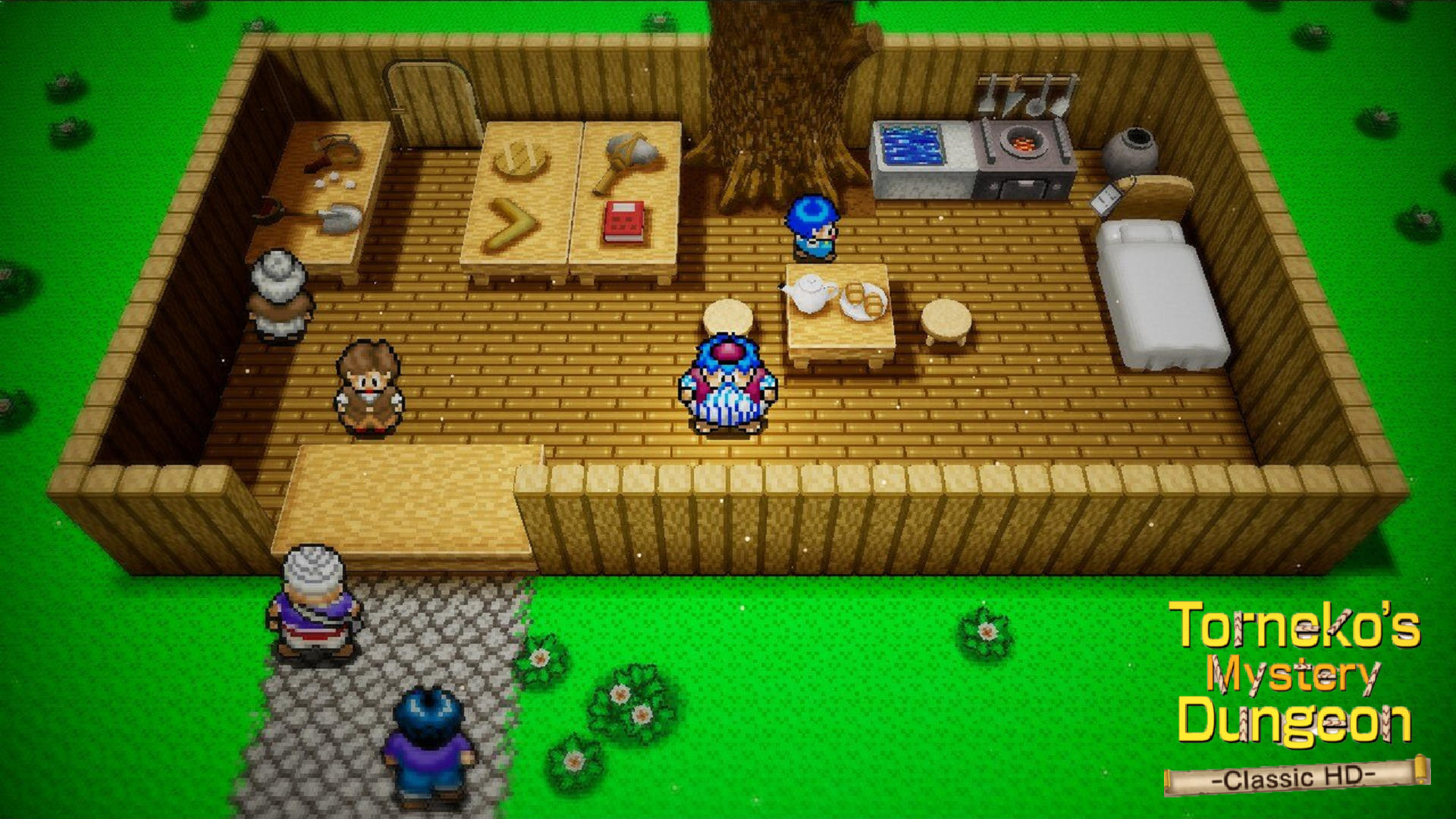
Dragon Quest Heroes: Torneko’s Mystery Dungeon -Classic HD- is an interesting release in 2026. Originally released exclusively in Japan in 1993, the first Mystery Dungeon game helped establish a formula that would eventually grow into series like Shiren the Wanderer and Pokémon Mystery Dungeon.
That history was a big part of what interested me going in. I have played other Mystery Dungeon games, but never the one that started it all, and there is something genuinely fun about seeing so many familiar ideas in their earliest form.
At the same time, playing Torneko more than 30 years later makes it very clear which parts of the formula have been improved over the years.
There is still plenty to like here, especially for someone curious about the history of the niche Mystery Dungeon genre. Just be prepared for some design choices that can make the early game much more frustrating than it needs to be.
Key Details:
- Release Date: September 2026
- Developer: Square Enix
- Platforms: Nintendo Switch 2, Nintendo Switch, PlayStation 5, Xbox Series X|S, PC
- Price: $24.99
- Review Code Provided: Yes, for PC
The Original Formula is Still Fun
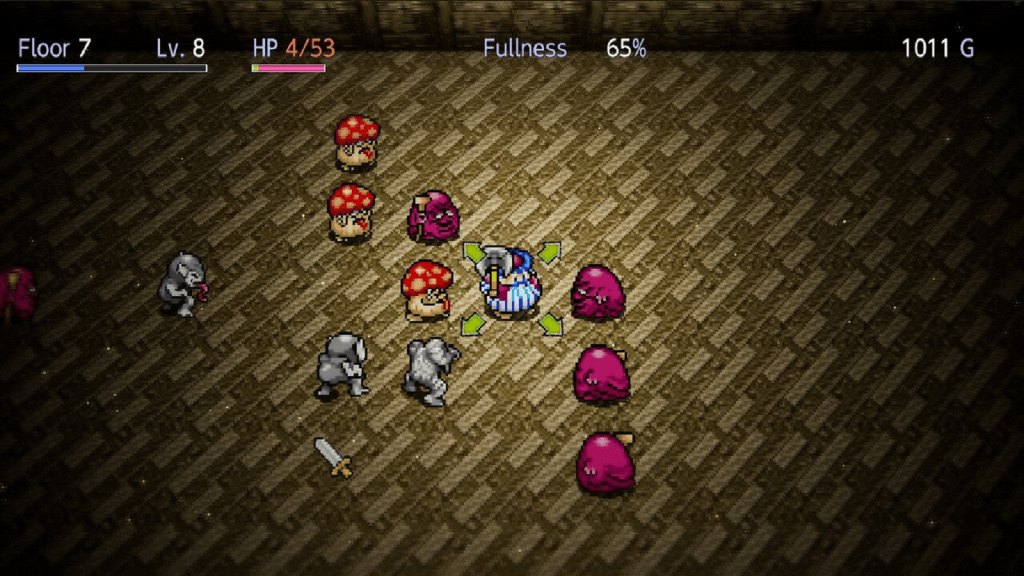
The basic gameplay in Torneko’s Mystery Dungeon will immediately feel familiar to anyone who has played one of its successors. Torneko enters a randomly generated dungeon filled with enemies, equipment and consumable items, with enemies moving every time he takes an action.
It is a simple system, but it works.
Positioning matters, especially when several enemies are nearby, and hallways are often safer places to fight than open rooms where Torneko can quickly become surrounded. There is also a constant decision over whether it is worth exploring another room for potentially useful equipment or heading for the stairs before something goes wrong.
Finding better gear also makes a noticeable difference. A run where I found a sword and shield early felt completely different from one where I was forced to rely on whatever items happened to appear along the way.
I played almost all of Classic HD on Steam Deck, and it felt like the best place to play it. Dungeon runs work well in short bursts, and this was the kind of game I was much more likely to pick up casually from the couch than play at my desk for several hours.
Performance on Deck was also flawless during my time with the game.
The Early Game Can Be Incredibly Frustrating

Where Classic HD started to lose me was in how little control the player sometimes has over a bad run.
There is obviously supposed to be an element of luck involved. That comes with randomly generated dungeons, and figuring out how to survive with whatever the game gives you is part of the appeal.
One enemy, Legerdeman, was the bane of my existence for a huge portion of the early game. It can put Torneko to sleep, and I had several encounters where it repeatedly did so before I could take another action. All I could do was watch Torneko wake up, immediately get put back to sleep, and slowly lose health until he died.
Are there ways to safely deal with Legerdeman without losing your run? Absolutely. Part of the game’s appeal is learning to adapt your strategies when delving into the dungeons. Maybe you’ll save any arrows you find to take out Legerdeman from a distance, or maybe you’ll avoid them entirely. Learning and adapting is the only way you can hope to succeed.
There were several times, though, where it felt like the game had decided I was going to lose before I really had a chance to do anything about it.
On more than one run, I searched every room for five floors without finding a weapon. On the sixth, I spawned directly into a Monster House full of enemies without a weapon or an (even rarer) escape item.
I died.
What was that loss meant to teach me that life is unfair? Thanks, Classic HD, but I already know that. I’m a games journalist.
Those moments are especially annoying early on because Classic HD initially does not allow Torneko to take equipment into the dungeon. It is an odd decision. The point where a new player knows the least about the game is also when they have the fewest ways to prepare for a bad run.
Eventually, Torneko realizes it might be prudent to bring a sword into a dungeon filled with monsters, and the gameplay loop becomes much more bearable.
Classic HD is Most Interesting as a Starting Point

Despite those frustrations, I came away glad I played Torneko’s Mystery Dungeon.
For someone who has never played a Mystery Dungeon game, there is value in starting here. The systems are easy to understand, and there are far fewer mechanics to keep track of than in later entries. It gives you the basic idea before moving on to games that expand on it.
Experienced players get something different out of it.
Seeing the original version of mechanics that have since become standard across the series makes Classic HD an interesting piece of game history, even if later games have handled some of those ideas better.
The updated presentation is fine, but it is not really the reason to play this version. Coming off Dragon Quest VII Reimagined, which gave an older Dragon Quest game a much more substantial visual overhaul, Classic HD feels comparatively modest. It looks cleaner than the 1993 original, but not dramatically different.
The bigger draw is finally having an accessible English release of the game that started Mystery Dungeon in the first place.
Final Score – 7/10
Dragon Quest Heroes: Torneko’s Mystery Dungeon -Classic HD- is probably going to work best for two types of players.
Newcomers get a straightforward introduction to Mystery Dungeon without being overwhelmed by the systems added in later games. Existing fans get the chance to see where the series began and how much of its basic design was already in place more than three decades ago.
That does not mean every part of it has aged well.
Unbalanced random dungeon generation can create some incredibly frustrating situations, especially during the opening runs, and there were several deaths where I did not feel like I had learned anything other than that I had been unlucky.
The core gameplay is still enjoyable enough to explain why Mystery Dungeon became such a lasting formula. I just understand why later games made some changes.
**Bonus Action was provided with a PC copy of Dragon Quest Heroes: Torneko’s Mystery Dungeon -Classic HD- for the purpose of this review**
Still here? Good.
That means the article did its job! If you’d like to see more of them (and get first crack at what’s next) our Patreon’s the place.
About the Author

Discover more from Bonus Action
Subscribe to get the latest posts sent to your email.