Strapping into a giant robot never stops being cool. Daemon X Machina Titanic Scion opens with that same promise, daring you to lose yourself in blistering mech fights, endless tinkering, and a world begging to be tested.
Going in, I expected a game that could deliver the satisfaction of tinkering with builds while giving me big set-piece battles to test them on. What I found was thrilling aerial movement mechanics and crunchy fights, all wrapped around an open world that sometimes feels more like padding than progression.
So here’s what I kept asking myself: Does Titanic Scion really let me live out the mech pilot dream, or does it bury that fantasy under too much fluff?
Key Details
- Developer: Marvelous First Studio
- Publisher: Marvelous
- Release Date: 5 September 2025
- Price (Standard Edition, PC / Steam): €69.99+/$69.99+
- Review Copy Provided: Yes
The joy of moving in metal
If there’s one thing Titanic Scion gets absolutely right, it’s how good it feels to fly around in your mech.
Boosting, weaving, and rocketing skyward never got old for me. Every fight felt like I was running my own little air show.
You’re unloading missiles, slashing in with melee, or just hovering around to style on enemies, and the sheer freedom of movement keeps combat fun even when everything else starts wobbling. The movement is so slick I stopped caring about the game’s rough edges, at least until the repetition set in.
Build Dreams, Break Enemies
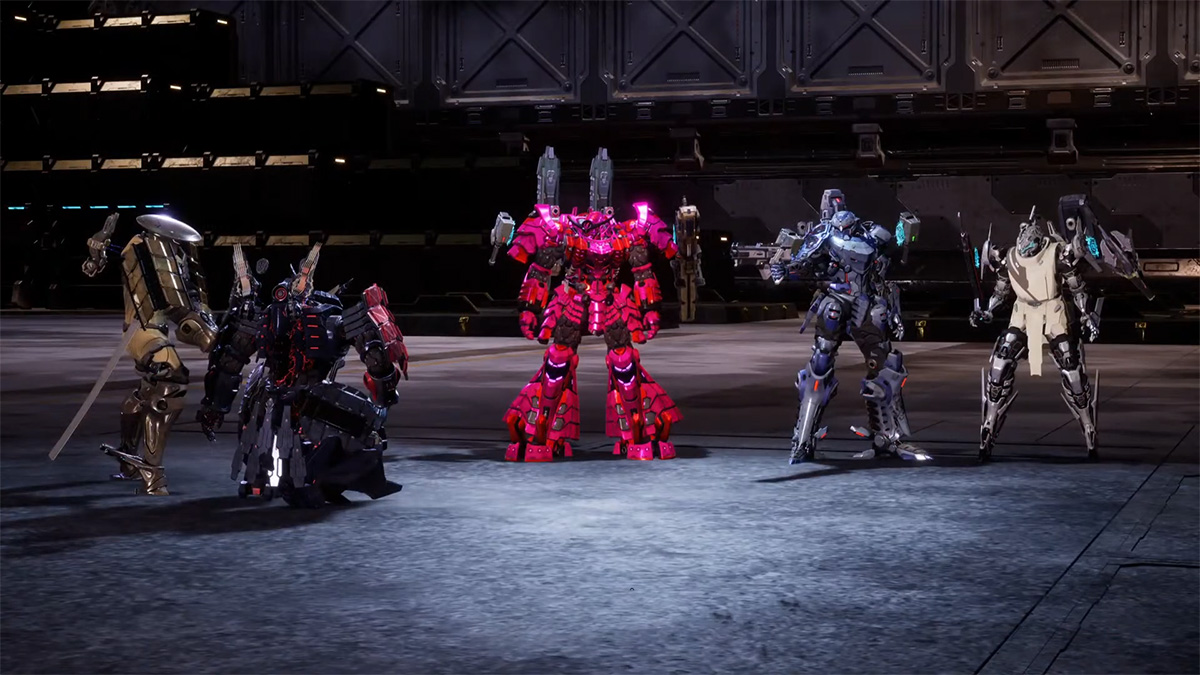
The mech garage is also one of Titanic Scion’s strengths.
Every part matters: legs for mobility, arms for weapon handling, cores for defense, and the endless toy box of weapons that push you toward different playstyles.
Light, medium, and heavy frames actually feel different, which surprised me. I ended up abusing melee so much that I carved through the final boss with a single oversized sword. Broken? Absolutely. Fun? Even more so.
Drops come quickly enough that you’re rarely starving for upgrades, and the loop of dismantling enemies to become stronger never stops being satisfying.
Big Bosses, Bigger Swings
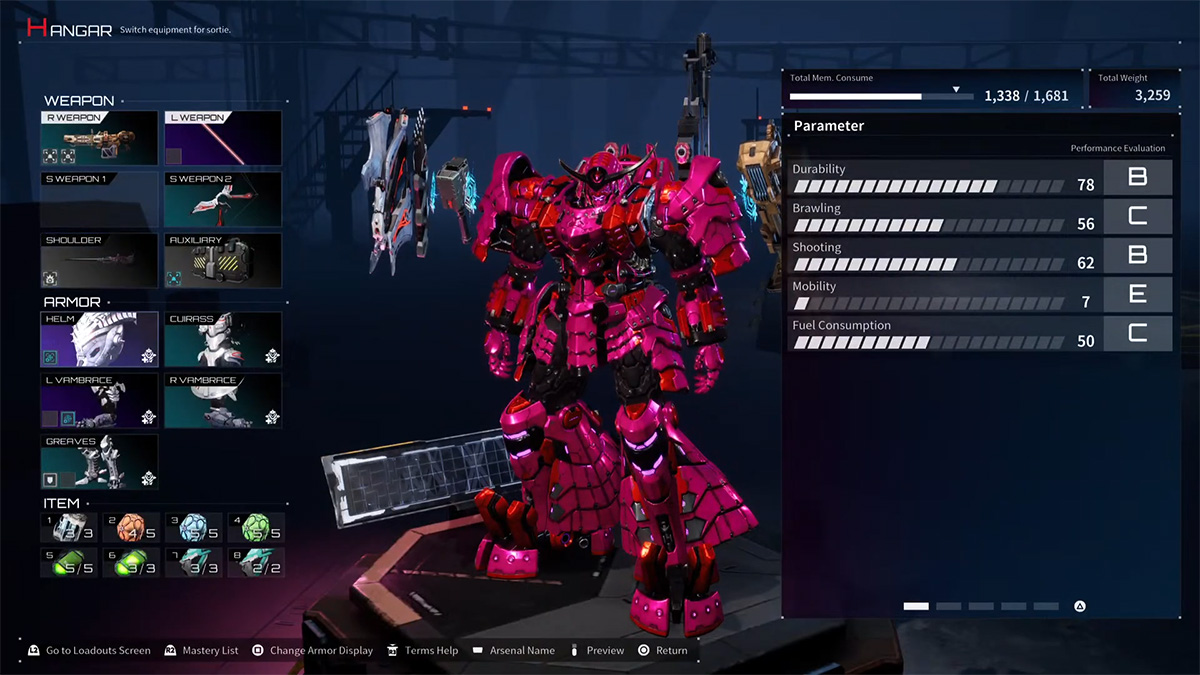
Boss fights are the highlight of the campaign. Early monsters force you to learn positioning, later humanoid mechs turn fights into duels, and the best encounters demand pattern recognition as much as raw stats.
The lock-on works fine until you’re up against something massive, and then it feels like you’re wrestling the camera as much as the enemy.
That said, bringing a buddy trivializes much of the challenge. I played most of the story in co-op, and since bosses tend to target one player, the other can just hack away until it’s over. It’s fun, but it undercuts the tension.
A World Full of Stuff… And Not Much Substance

On paper, an open world like this sounds like a win: freedom to roam, mine resources, chase side quests, or stumble into secret bosses.
In practice, the world feels wide but empty. Enemies are unresponsive, side contracts blur together, and many areas look like palette swaps of the last.
Worse, the game piles on features without giving them real depth.
There’s a card game nobody asked for, stiffly animated horses despite your mech’s infinite boost, hijackable cars that handle like rubber toys, a racecourse, a genetic harvesting system, and even a mining minigame.
None of these extras are awful, but they all reek of “wouldn’t it be cool if…” ideas that never went anywhere.
Story Time: Anime Melodrama Edition

The narrative leans hard into anime tropes, complete with exaggerated speeches, sudden betrayals, and a cast that looks like they came out of a metal album cover.
If you’re into melodrama, you’ll have fun. If not, you’ll probably be hammering the skip button, which only skips to the next cut of the same cutscene.
A couple of villains chew the scenery in the best way, but most of the cast might as well be cool-looking posters on the wall. The real star of the presentation is the soundtrack: a pounding mix of metal and electronica that makes even the most tedious fights feel like a headline act.
Visually, Titanic Scion sticks to its cel-shaded roots. The mechs look fantastic, silhouettes are clean, and posters practically print themselves from the arsenal designs.
The problem is in the details: flat textures, stiff animations, and NPCs that wouldn’t pass a PS3 vibe check.
Co-op Helps, Sometimes Too Much
Online co-op is drop-in, drop-out, and cross-platform. That’s great, because slogging through some of the more repetitive bosses or padded missions alone can be a drag.
The downside is that technical hiccups creep in, load times balloon with matchmaking enabled, and performance drops across every platform are hard to ignore.
By the dozen-hour mark, the shine wears off. Enemies blur into copy-paste versions, bosses repeat, and side jobs feel recycled. The big open spaces start looking less like battlegrounds and more like filler between the fun bits.
By the time I reached the last stretch, I stopped caring about exploration and just pushed to the credits. The foundation is solid, but the game doesn’t know how to pace itself, and the padding becomes obvious fast.
Final Score: 7/10
Daemon X Machina Titanic Scion is a messy game, but one with undeniable highs.
Building and piloting your mech feels great, the bosses can deliver real spectacle, and the soundtrack slaps.
The open world, though, is thin, and the kitchen sink approach to side systems leaves the whole package feeling like a bloated grab bag of half-finished ideas. Add in a weak story and uneven performance, and it’s hard to recommend at full price unless you’re already a mech diehard.
If you’re not already a mech nut, I’d wait for a sale. Then call up a buddy and enjoy the parts where Titanic Scion absolutely sings; those moments when the movement and combat click and you feel like the mech pilot you always wanted to be.
**Bonus Action was provided with a PC Steam code of Daemon x Machina: Titanic Scion for the purpose of this review**
About the Author

Discover more from Bonus Action
Subscribe to get the latest posts sent to your email.