I haven’t stopped thinking about Artis Impact since its trailer dropped during the Six One Indie Showcase in early 2025.
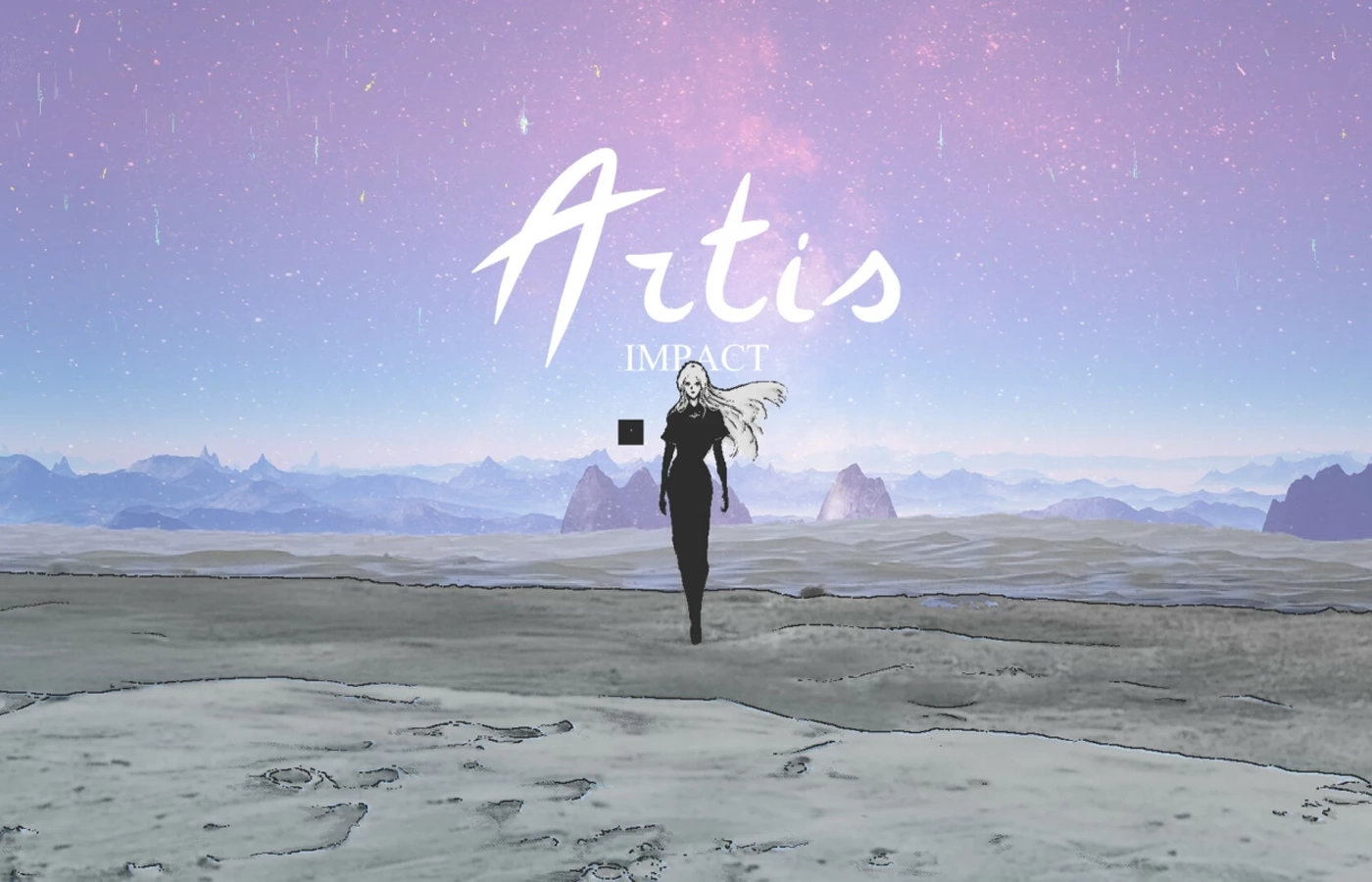
A hand-drawn post-apocalyptic world that was equal parts haunting and beautiful, retro pixel art flowing into stylish comic panels, and a story dripping with both mystery and warmth… I was instantly hooked.
It hinted at slow-life comforts like cooking and odd jobs, balanced with streamlined turn-based battles and adventures starring Akane and her snarky AI sidekick, Bot. It felt like the kind of game I could wander through, laugh in, and uncover secrets at my own pace.
Now, with the full thing in my hands, it’s time to see if it delivers.
Key Details
- Developer: Mas
- Publisher: Feuxon
- Platforms: PC (via Steam)
- Release Date: August 7, 2025
- Price: $16.99
- Copy Provided for Review: Yes
A Feast for Your Eyeballs
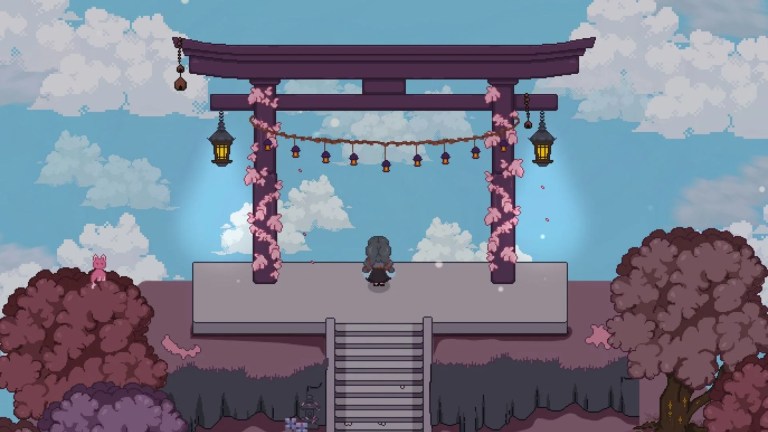
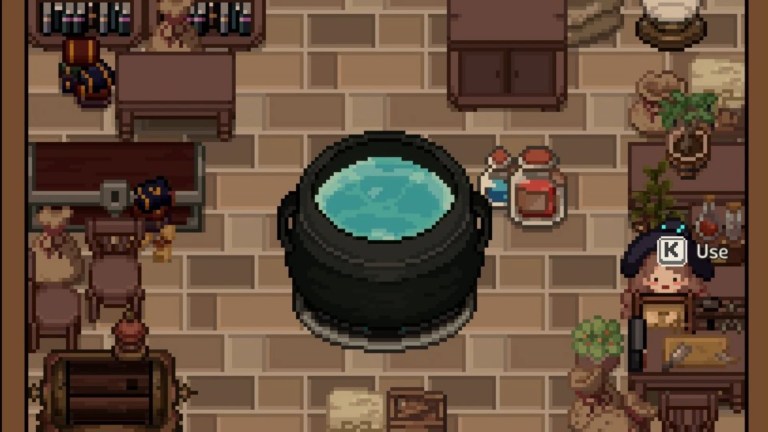
Let’s not kid ourselves, the first thing that’s going to grab you about Artis Impact is the art. It’s absolutely gorgeous. The kind of game you can take a random screenshot of, and it’ll look like promotional material.
The color palette is lush without being overbearing, the animations are stylish without feeling too flashy, and everything from the way your character hops onto a bed to the groggy, slow pull as they drag themselves out of it oozes personality.
There’s this neat little square zoom-in when you interact with doors, the sharp switch to black-and-white manga-style cutscenes for story beats, and the colorful pixel-art cities and biomes that feel alive. Even the tiny details, like a pixel-perfect pastry icon, feel intentional.
And here’s the thing: it’s not just a case of the trailer being well-edited. This is genuinely how the game looks at all times. I never felt like I was getting a “downgraded” experience compared to marketing material. It’s one of those rare titles where you can trust your eyes.
Laughs in the Wasteland
What I wasn’t expecting was just how funny Artis Impact can be. It’s not a comedy game, but it’s got impeccable comedic timing. The story starts out with a serious, polished world and an aura that’s mysterious, almost tense, but the minute protagonist Akane opens her mouth, that changes.
If you need a reference point, think Nier: Automata, but besides the crushing existential dread, 2B keeps making fun of her bot.
Akane has this way of making even intense moments feel lighthearted, mostly because of her dynamic with Bot. And let me tell you: Bot is one of the few “sidekick” characters in gaming that I didn’t find annoying. I usually want to mute these kinds of companions, but here, their relationship was my highlight.
The banter is gold. Akane is often irresponsible, Bot is often morally questionable, and somehow that balance works perfectly. They’ll swap roles at the worst (and funniest) moments. It’s the kind of dynamic where you think you’ve got them figured out, then one throws the other under the bus with a one-liner.
The game still manages to pack in angst, mystery, and high stakes, but the humor is woven in so naturally that it never feels tonally jarring. More than once, I found myself laughing out loud alone in a dark room, and that’s not something a lot of games can pull off.
Turn-Based or Yawn-Based?
Here’s where the mood takes a dip: the combat.
I wanted Artis Impact to be a visual novel with some light RPG elements. Instead, the RPG combat is a constant interruption to the gorgeous story and witty character writing. And unfortunately, it’s bland turn-based combat, the kind where you’re just waiting for your turn instead of actively engaged.
The last few years have spoiled us. Games like Sea of Stars showed how reactive turn-based combat can be, letting you block or dodge during enemy turns. Clair Obscur has shown how chaining attacks into powerful combos can make every turn exciting. By comparison, Artis Impact feels barebones. Enemy turn, your turn, repeat.
Most standard enemies drop in one hit. Bosses are the same fights, but with more HP. It’s not broken, it’s just dull. There’s no rhythm to master, no variety in approach. After a while, I was basically saying, “Yeah, yeah, let’s wrap this up so I can get back to Akane and Bot.”
Design Quirks That Had Me Side-Eyeing My Screen
Now, buckle up, because this is the part where my notes look like an angry grocery list.
First off: timers. A lot of them. Sometimes it’s waiting for a travel sequence to end. Sometimes it’s a queue. And sometimes the timer is mercifully displayed on screen, but not always. I understand pacing and atmosphere, but when you’re literally just staring at a countdown, it feels like the game is training you to be patient instead of keeping you engaged.
Second: everything costs money. Not “oh, you buy items with in-game currency” money. I mean everything. Going to the gym costs money per minute. Saving the game costs money. Retrying a boss fight costs money. There’s even a scene where Akane is hanging onto a tree to avoid being blown away by the wind, and it costs money.
And the worst part is that your money is stored in a bank, which you can only access from specific points in the starting city. Considering almost everything is a paid service, that’s… less than convenient.
Then there’s saving. This is not a long game on paper; I’ve seen people finish it in five hours. My run took more than double that because I died. A lot. And every death means reloading your last paid save point, which could be ages ago in some missions. That’s fine if you love replaying content. I don’t. And when you’re rewatching even the most charming cutscenes for the fourth time, that charm starts to fade.
Ear Candy and Button Clicks
This is where the game claws its way back into my good graces. The soundtrack nails the tone of each scene, from laid-back exploration to high-energy encounters. And the sound effects are downright crunchy; every click, swing, and toggle feels perfect.
Dialogue boxes have satisfying clicks, switches have a weighty toggle sound, sword swings land with crunch, and even the little beeps from NPC interactions feel purposeful. It’s the kind of audio work that makes you appreciate how much thought went into making the world feel tangible.
Final Score: 8/10
Look, I know I just unloaded a laundry list of complaints. But here’s the thing: I still recommend Artis Impact.
When the game works, when it’s just you, Akane, Bot, and the absurdly beautiful world around you, it really works. The humor hits, the writing feels sharp, the visuals are mesmerizing, and the sound design ties it all together. Those moments made me forget every annoyance… at least until the next timer or HP sponge boss rolled around.
It’s a game I kept wanting to come back to despite my gripes, because the highs genuinely outweigh the lows. And honestly, if the combat was stripped back or made skippable, I’d be shouting from the rooftops about how everyone needs to play this.
For now, I’ll settle for saying: if you can push through the lackluster RPG mechanics and questionable pacing decisions, Artis Impact will reward you with one of the most charming, stylish, and unexpectedly funny adventures you’ll play this year.
**Bonus Action was provided with a PC code of Artis Impact for the purpose of this review**
About the Author

Discover more from Bonus Action
Subscribe to get the latest posts sent to your email.