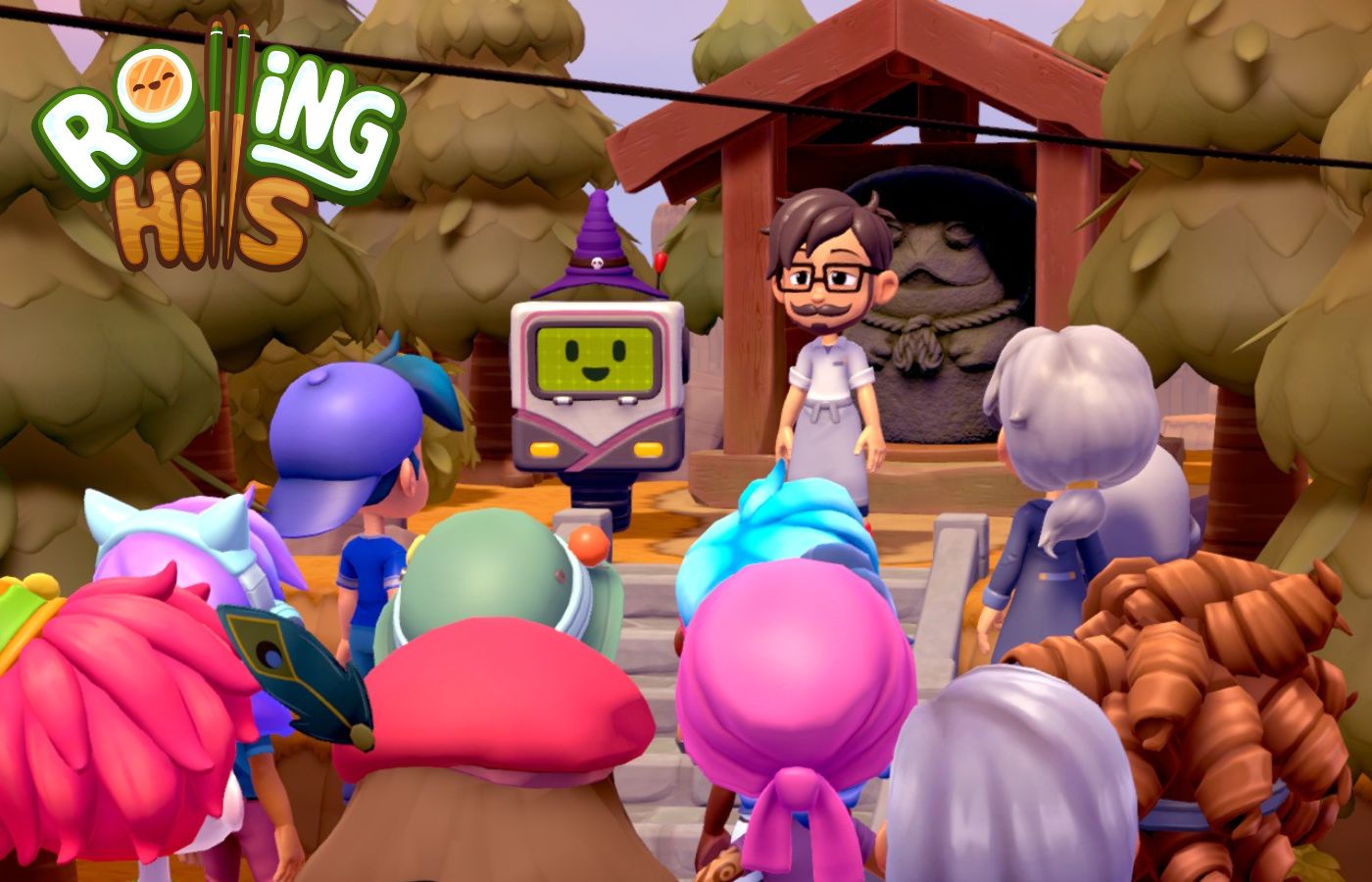
Screenshot by Bonus Action
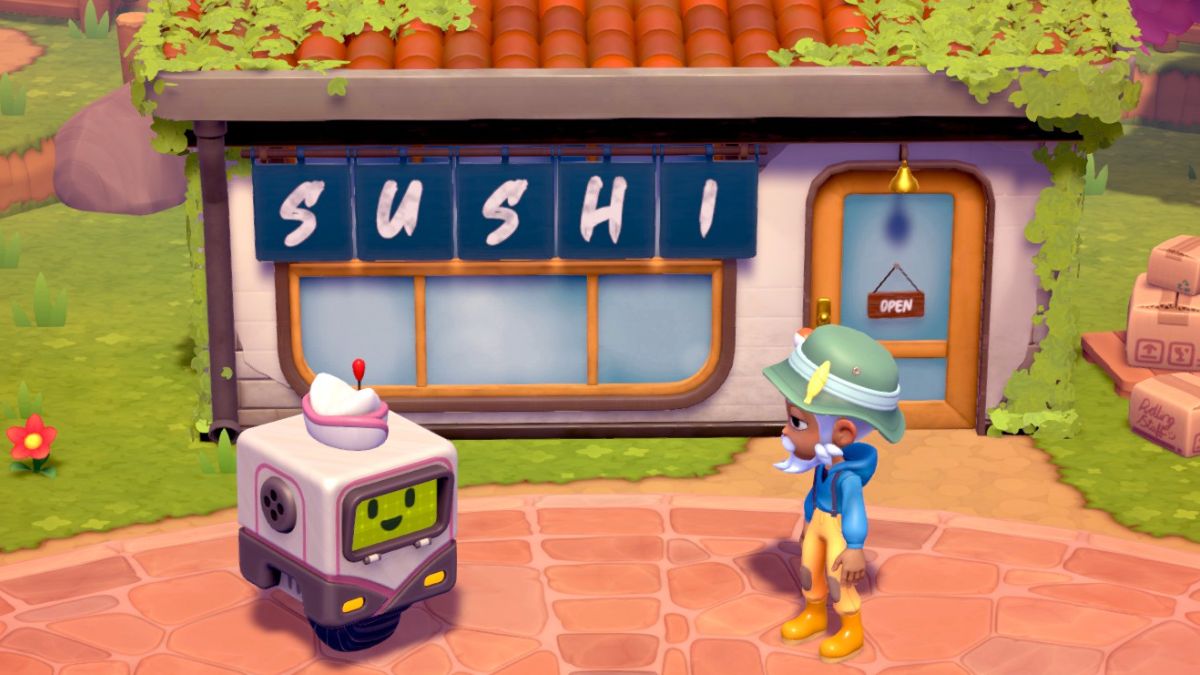
In Rolling Hills: Make Sushi, Make Friends, players get to zoom around a small town as a sushi-making robot. You serve up increasingly complicated sushi recipes while building up the town’s reputation – and your relationship with the locals.
Our team absolutely fell in love with Rolling Hills: Make Sushi, Make Friends when we played it earlier this year. We got the pleasure of connecting with the development team, who gave us the chance to ask them a few questions about their inspirations and the process of bringing Sushi Bot to life.
Developers Matthew Taylor and James Tillman gave us some great food for thought in their responses to our questions about the inspiration, mechanics, and world of Rolling Hills.
How did you originally get the idea for Rolling Hills? What are some of the biggest ways the game has changed since that original idea?
James Tillman: Whenever Matthew and I start a new project together, our first priority is finding a good “creative promise”. It’s the most fundamental expression of what players will experience, before we’ve decided anything about how players will experience it. One day I was at a conveyor belt sushi restaurant, and it struck me how many cute, game-like elements were a part of it: the color-coded plates, familiar staples like tuna nigiri and unique creations like signature rolls, and sushi chefs anticipating what customers at the end of the line might want. Running a sushi restaurant and being in charge of all that seemed like a great creative promise, so we rolled with it.
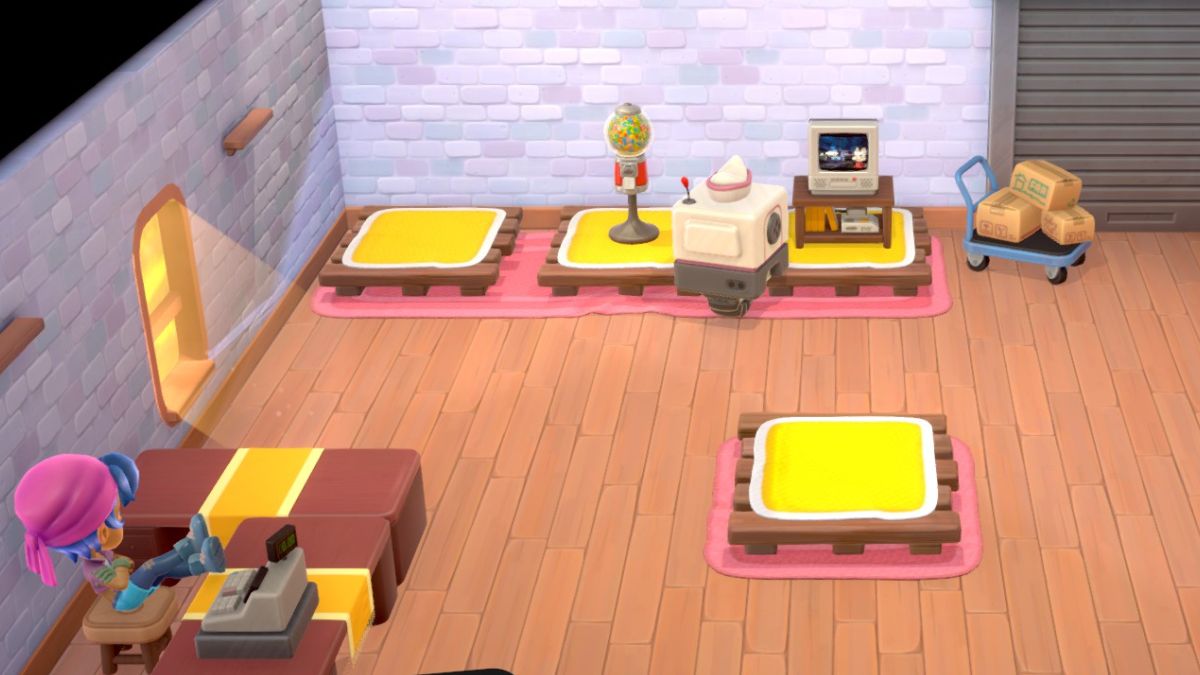
The original idea for Rolling Hills was a bit smaller, lighter on the life sim elements, and centered on the conveyor belt experience. It had a lot in common with idle games and clickers. Later on, we realized that the game we were making would benefit from being more hands-on, asking players to zoom around the restaurant serving dishes instead of just setting things up and watching it play out on the conveyor belt.
Tell us a little bit about what the development process was like. When did you start, and how long did it take? Were there any unexpected challenges with this specific game that you had to work through?
James Tillman: We started working on Rolling Hills in 2019 and we’ve continued patching bugs and releasing new content since it was released in June 2024, so I guess you could say it’s taken 5 years so far! The biggest unexpected challenge of making Rolling Hills was the insecurity that came with working on a bigger project than ever before and working with a publisher for the first time. We were so worried about squandering the opportunity to make something special that we repeatedly blew up the whole design and started over again and again in different genres. We made prototypes of Rolling Hills as an idle game, a crafting sim, a turn-based RPG, a roguelite, and a deck-building game before eventually landing on the final “action-sim” gameplay.
You’ve mentioned that the team behind Rolling Hills was just the two of you. What was it like working with a small team to develop the game?
James Tillman: Matthew and I were the the only two who worked on Rolling Hills full time, but it’s the product of several very talented people. Maxo’s amazing soundtrack was one of the first things we commissioned for the game, and it really set the tone for the rest of the project.
What was the inspiration behind Sushi Bot? We’ve seen hints that the Traveling Sushi Chef was originally the main character in the game – what led to the switch?
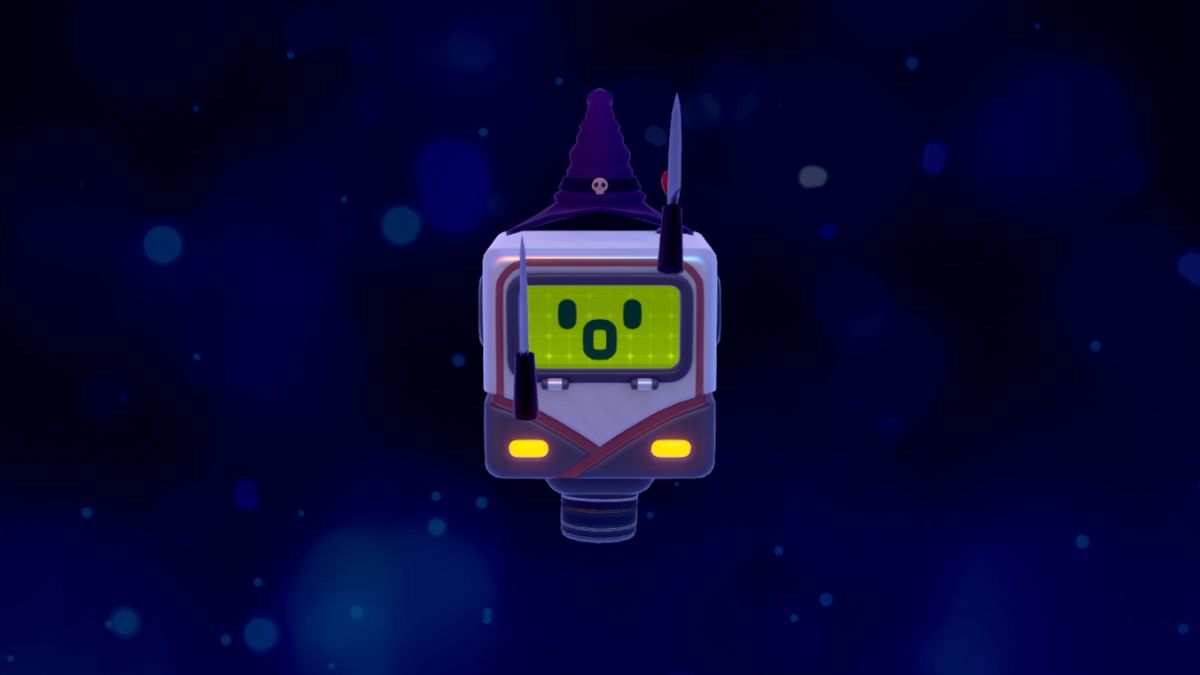
James Tillman: In the earliest prototypes for Rolling Hills, you created a character to play as, and what’s now the Traveling Sushi Chef was the default character. In those prototypes, Sushi Bot was an assistant that could automate some of the work of running your restaurant. The more time we spent with Sushi Bot, the more we loved him, and the more we looked for ways to expand his role in the game’s mechanics. One day Matthew told me we should just go all-in and make Sushi Bot the star of the game. So we did! Looking back, it was amazing how much everyone involved in development at that point supported the decision. It just made sense.
Do you have a favorite character in the game? If so, why are they your favorite?
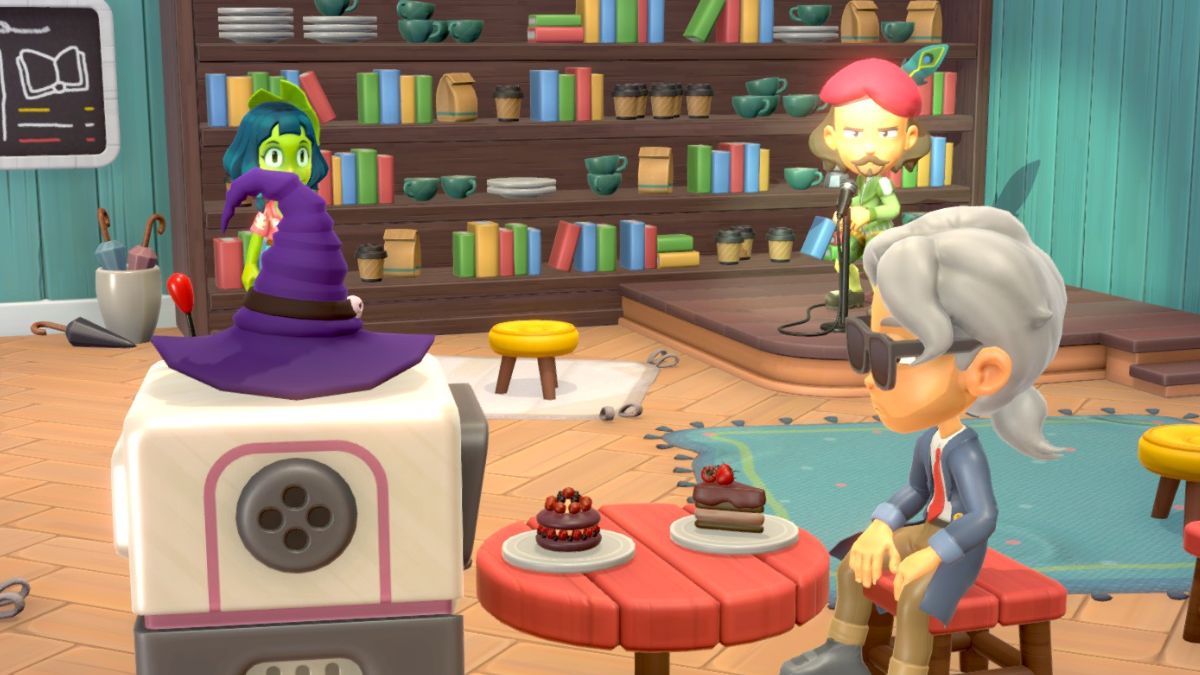
James Tillman: It’s hard to choose a favorite, but Gibson is up there for me. Without spoiling too much, he’s a G-man in the mold of Twin Peaks protagonist Dale Cooper. He first appears in Rolling Hills under mysterious circumstances and turns out to be much sillier and more loving than you’d expect. Gibson was actually the villain of Rolling Hills in an earlier draft of the story. I can’t help but smile when I read the funny dialogue Matthew wrote for him and I see how he turned out in the end.
Which in-game mechanic is your favorite, and why?
James Tillman: I love honking. You can honk to wake up sleeping customers, to get rude customers off the phone, and to do a couple of other things, but even if you could only honk for the joy of honking, I’d still love it.
Which mechanic changed the most during the development process?
James Tillman: The whole process of customer satisfaction was originally much more complicated. In the final game, customers judge dishes by checking a single quality number and a couple of yes-or-no conditions: is this dish the flavor I requested and did I have to wait a long time for it? Earlier in development, each dish had multiple flavors and stats like “price” or “spiciness”, and customers gave very nuanced evaluations on a scale from 1 to 100. It was fun to play with all those numbers during downtime, but trying to make sense of it during a busy restaurant service was a major headache.
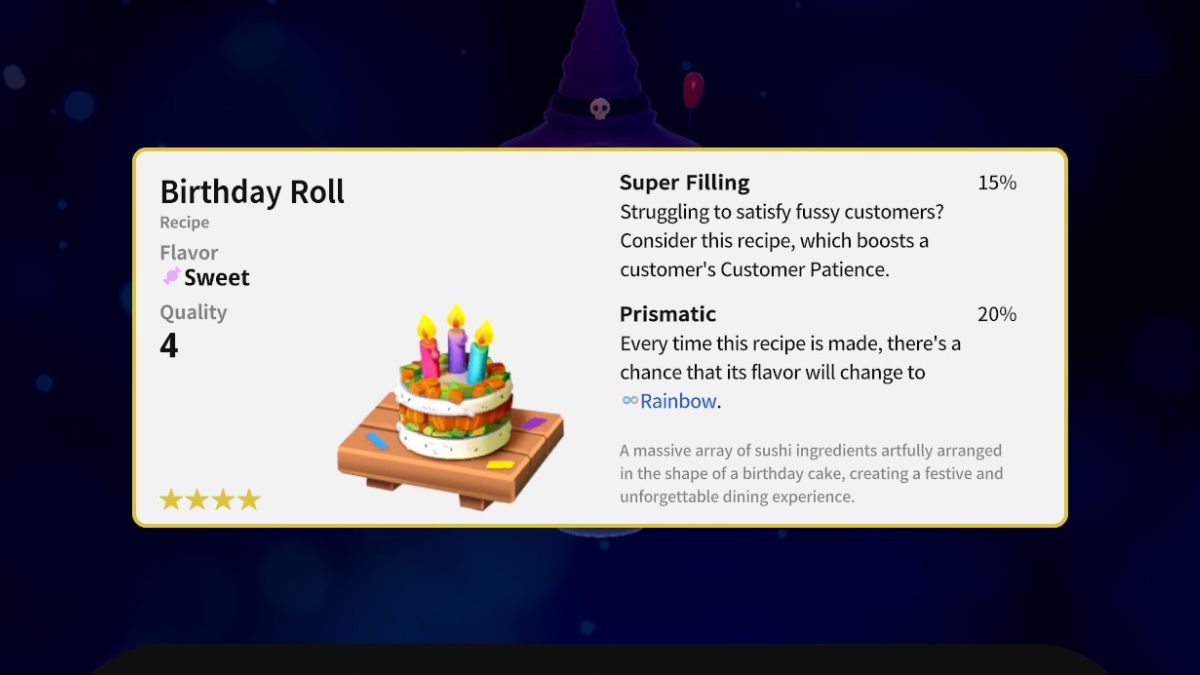
How did you come up with the ideas for all of the different sushi roll recipes? Some of them are clearly modeled after real-life sushi, but others get super inventive so I’m curious if there was a specific inspiration.
James Tillman: One of our goals with the recipes in the game was to introduce players to the extraordinary variety of real-life sushi, from traditional offerings like nigiri to modern novelties like the sweetheart roll. It was a challenge to fit that together with fun RPG-style progression. You expect to have better, more powerful recipes at level 20 than you had at level 10, but it’s not intuitive that, for example, salmon nigiri is better than shrimp nigiri. Inventing wacky, elaborate recipes like the UFO Roll helped us create that impression of tiered progression.
What is one thing you wanted to include in Rolling Hills that didn’t wind up making it in? Would you consider adding that in future updates?
James Tillman: Our August content update added a new mode where you can take on challenges in restaurants with unique mechanics, like giant customers or Lil Bots that serve dishes for you. That mode has been a fun sandbox for trying out ideas that are too complicated or too balance-shifting for the main story. Other than that, I love seeing how players decorate their restaurants, and I’m always interested in giving players more ways to do it.
Speaking of the future, do you have any plans for what’s next? Will there be more updates to Rolling Hills, or do you have your sights set on another game idea?
James Tillman: Yes! We’re still releasing updates for Rolling Hills, but our next game is underway. So much has changed for us in the past five years, both personally and professionally. I’m so excited to put all those lessons learned into something brand new.
About the Author

Discover more from Bonus Action
Subscribe to get the latest posts sent to your email.