games by Wadjet Eye Games
I love point-and-click adventure games. I’ve reviewed them, I’ve made them, and I’ve been playing them for over thirty years. Because of this, I always enjoy talking to people who share that same passion for narrative-based adventures.
Dave Gilbert, founder and COO of Wadjet Eye Games, has that passion too. From making freeware titles for Adventure Game Studio game jams to creating his own shared universe of point-and-click adventures, Gilbert has carved his own path and helped to keep a genre once considered niche alive for multiple decades.
Recently I spoke with Gilbert about those decades of game development, innovation in the point-and-click space, and why he thinks Loom is the perfect entry point to get people hooked on the genre. The following interview has been lightly edited and reorganized for clarity, while the full version is available in the video above.
NOTE: The video version of the interview contains occasional short audio glitches. This was an issue on my end with the recording software and does not last long, but I do apologize for any comprehension issues caused because of it.
An interview with Dave Gilbert
CHRISTOPHER J. TEUTON: So, just to set this up, I reached out because I saw you were talking about the fact that it is the twentieth anniversary of Wadjet Eye Games.
DAVE GILBERT: Yeah. [laughs]
TEUTON: Going back to the beginning, can you tell me about how you first started making adventure games, kind of the reason behind that, and then your decision to stop doing it as freeware projects and make The Shivah a paid game?
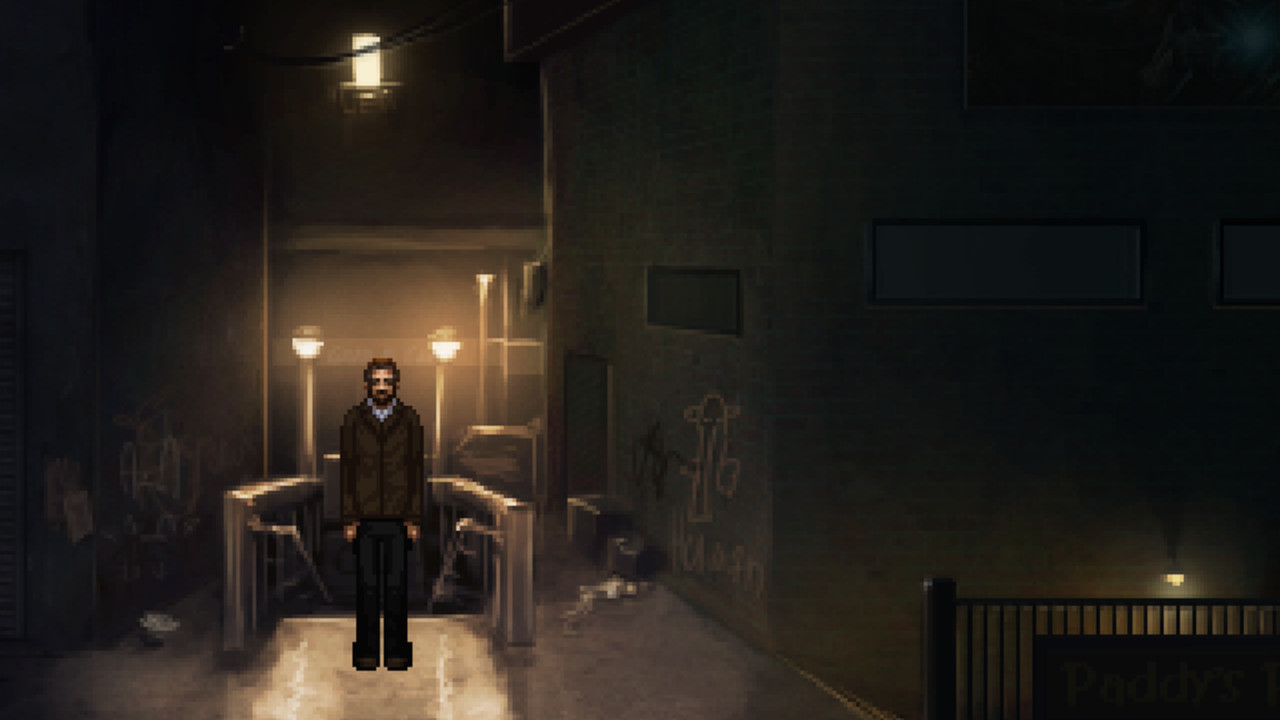
GILBERT: I grew up playing adventure games. It was kind of a language and a medium that I was familiar with, and I always wanted to make one. Like you, I wanted to make text adventures. This dates me a bit, but in college, I discovered TADS, the Text Adventure Development something, I assume studio or system. And I tried making a text adventure because I grew up playing the Infocom games, and I had a little black and white Mac PowerBook, and so text adventures are all I could play on the thing. I just tried making some, never went anywhere. I graduated, I moved to New York City, and, you know, always tinkered with writing, but nothing ever, ever really came of it.
And then, the towers went down. You know, living in New York, 2001, September… and I was in-between jobs. I had been previously, recently, laid off from this boring corporate job, and I discovered Adventure Game Studio and I thought, “Well, maybe I could make one of these.” I discovered Reality on the Norm — which is kind of the shared universe of games — and I played a few of them, and I thought, “I could maybe contribute to this thing.”
So I made a little game in a weekend called The Repossessor, where you play the Grim Reaper, which I always joke probably said a lot about my state of mind at the time. Again, just after 9/11, blah, blah, blah. So I made that little game in maybe a weekend or two and uploaded it, and people played it, and they seemed to like it. And so that encouraged me to make more of them, and that was the wonderful thing about it. Like for the first time, I was able to create something.
I’d always liked writing. I was creating something and people were seeing it and responding and giving me feedback pretty quickly. And from there, the bug kind of bit me, like, “Oh, I can make something and put it out there, and people will play it.” And then that became a positive feedback loop that hasn’t let go of me since.
TEUTON: And then what gave you the courage to say, “Okay, this one is good enough that I should charge for it”?
GILBERT: Fast-forward I guess maybe four or five years, I had just finished teaching English in South Korea for a little under a year, and I had come back home to New York, and it was this weird situation because before I left, I owned this little apartment in Manhattan in like 2006, and when I went away, I rented it out, and the lease wasn’t up yet. So I moved back and was kind of homeless because I couldn’t move back into my apartment. So I moved in with my parents and I just turned thirty years old.
My parents were retired, and I was living with them, and there’s nothing that makes you feel more like a loser than being unemployed at thirty living with your parents. [laughs] Even though these were different circumstances, I had just come off a big year-long gig, but still. I decided to kind of ‘pretend I was working’ by going to a café and making this little game called The Shivah. I was like, “Well, as long as I’m there from nine to five,” because that is what a job is apparently.
I’m there from at least before nine till after five, then I can pretend I’m working on something. And so I made this game for a jam, and then when I finished it, I enjoyed the process so much that I decided I didn’t wanna do anything else, and I wanted to see if I could make it work. And then by then, I was able to move back into my apartment, I had money saved up from my salary when I was away and from the rent I got from renting out the apartment, and I decided, “Well, I’ve got some money saved up. I’m in between jobs. It’s now or never.”
I was never gonna have a better opportunity to make a go of this, and I decided to use The Shivah, the game that I made, and release that commercially. I added the voice acting, I got some graphics improved, added the commentary. I was trying to give it some value to justify charging for it because I had already released it for free. So I did that, and it took another maybe two months to get the commercial version out.
Released that, and it wasn’t this tremendous big success, but it got known enough that I was able to earn some money and keep going, kind of supplement the savings that I had to get the next game out, and this just kind of evolved.
TEUTON: And that was The Shivah, that would be the first time that you used the Wadjet Eye name?
GILBERT: Yes, I believe so. I think… Well, I think when I released The Shivah, it was just under my name originally. And then when I decided, “Well, I need to make a go of this for real,” I came up with the name Wadjet Eye, registered that, incorporated it, got a corporate bank account, and did all that. I didn’t re-release it so much as go into the source files and change the opening splash logo from Dave Gilbert to Wadjet Eye. And then the next game I released, The Blackwell Legacy, was Wadjet Eye.

TEUTON: Was there any specific reason that you chose Wadjet Eye as a name?
GILBERT: Very boring story. [laughs]
TEUTON: I think it’s interesting when you — maybe this is me thinking too much into it, but when you think like traditionally of the Wadjet Eye, it’s almost always depicted like as the Eye of Horus, but I believe yours is the flipped one, it’s the Eye of Ra, correct?
GILBERT: It’s a little stylized. When I was younger, reading a lot of stories about Egyptology, I saw the symbol of the Wadjet Eye and thought it was really cool, and I said to myself, “If I ever need a logo for anything, I’m gonna use that.” And when I was trying to come up with what to call my studio, game studio, whatever company, I came up with all these clever names, nothing stuck, and I was on the registration page of, I believe iPowerweb was the web host, I don’t know if they’re still around.
But I was like, “Okay, what am I gonna call myself? I have no idea.” I know I’m probably gonna use the Wadjet Eye as a logo, so whatever, I’ll just call myself that. I had no illusions that this was gonna go anywhere. I was optimistic that it could maybe last five months or so, and then I would have to get a real job. I had no plans on this being my career for the rest of my life. [laughs]
I had known that, I probably would have chosen a different name, but like I said, I couldn’t think of anything. I don’t know what I would have chosen. But yeah, the actual logo that I use is not the exact Wadjet Eye that you see [everywhere]. I was talking to a logo person who was designing my logo, and he said that I wanted something very unique to me, not the actual symbol, because then anyone, anytime anyone saw that symbol, they would confuse it for the Wadjet Eye Game Company. So I would want something stylized that looks like the Wadjet Eye, but wasn’t exactly the Wadjet Eye, that would be like, “Oh, that’s Dave, that’s the game company.” So that was very smart. I’m glad I took that advice. It’s not the exact Wadjet Eye, slightly different, which I think was a good choice.
TEUTON: And you say after that, you kind of went into starting the Blackwell series. I assume when you started the first one, you never know. It’s not like, “I’m gonna make six or seven of these.” You just think, oh, this is a good idea, I’m gonna try this. And then I assume you just fell in love with the setting and characters. So many games in your catalog either are directly tied into the Blackwell series or like have callbacks to them.
GILBERT: Yeah. It’s kind of its own expanded universe. With Blackwell, I came up with the concepts and the characters, and I optimistically thought, “Oh, I can make these games forever.” I jotted down ideas for like ten of them, because I’m like, “Oh, The Shivah took two months to make, and then I made the first Blackwell game, that took four months.” And of course, I didn’t really think that I nearly killed myself getting that game done, and I was a single guy living alone, very little expenses, didn’t need a lot of money to keep going. Very quickly realized that, yeah, games take a long time to make. There’s such a thing as self-care.
I probably couldn’t do Blackwell forever, if only because after a few games in, I started to have trouble making the concepts interesting and new. I could have just told ghost stories forever, but each game I wanted to do something new, raise the stakes, tell different kinds of stories, and I was running into the limitations of that fast. And I was kind of getting a little, not tired of it, but I wanted… let me back up.
The first Blackwell game was the first commercial game I ever released. The Shivah I don’t really count because I didn’t intend for that to be sold commercially when I made it. But The Blackwell Legacy was the first game where I sat down with the intention of selling it. So that was the very first game I ever made commercially, and it’s where I made all my mistakes. And I did get better as I went along, but that didn’t matter because as good as any potential future Blackwell game could be, anyone new coming to the series would start with the first one, which, you know, isn’t as good, and they would probably bounce off of it before they get to the better ones. So by the time I got to the fifth Blackwell game, I kinda knew I had to end it.
If I ever really wanted things to grow, I needed to break away from it and start over with something fresh, which is why in the fifth Blackwell game, I decided, “This is it. I’m gonna end it here.” And I had a few ideas for other games, but I decided to just focus all my effort into this one game, make it as good as I possibly could get it, and go out with all guns blazing.
I do think Blackwell Epiphany, the last one, is very, very, very good. But it’s still tied to the very first game, which is why I sell them as a bundle and why the games always sold better as a bundle than they ever did as individual games. So I think breaking off from it is probably the best idea. But I still have a lot of fondness for Blackwell and the characters and the setting, which is why whenever I do other games set in New York, I imply that they’re all part of the same universe.
They all take place in the same version of New York City. You have callbacks to some characters, you have cameos, you have references, and things like that, and I think the longtime fans enjoy that. I enjoy it myself. But I do try to write them so you don’t have to have played the other games. [laughs] I’m not Marvel. I don’t want you to have to watch, you know, twenty years’ worth of movies to get my current stuff. It’s fun if you get it, but if you don’t, you’re not missing anything. And it gives me an attachment to it that I wouldn’t have otherwise, which I think kind of works in my favor.

TEUTON: Going back a little bit, when you were sitting down to start Blackwell as your first commercial project, what are some of those big mistakes that you feel like you made that you’ve learned not to make today?
GILBERT: Well, with Blackwell Legacy, overindulgent, wordy dialogue. They talk a lot, nonstop.
TEUTON: The bane of many point-and-click adventures.
GILBERT: Yeah. There’s three big scenes where there’s these massive, massive info dumps that take place one after the other with no returning control to the player, no place to save, no place to stop, no way to pause, ’cause back then, AGS games couldn’t do pausing.
There’s just so much. It wasn’t very elegant. That backstory is what the whole series hinges on, and it was told in a very clunky, very inelegant way [laughs] that I strongly really, really regret.
TEUTON: Likely with the text probably directly over the characters’ heads, because if you have more than three lines on AGS, it just completely destroys the characters’ facial features.
GILBERT: Yeah. And it starts with a very weird puzzle where you’re not allowed into your own building because there’s a building serviceman strike, and the guy they got to be the doorman that day didn’t recognize Rosa because she rarely leaves home.
I admit that that is something that actually did happen in my building, and what happened to Rosa was something I worried would happen to me. I’m like, “I don’t talk to anyone in my building.” Like, “They won’t recognize me. What if they don’t let me in?” I was worried about that happening to me, so I’d had that happen to Rosa. But that’s, that wouldn’t actually happen. They wouldn’t… You know, whatever.
It’s a weird introduction to this series that I really do regret. It’s just very awkwardly told, and it’s very short… But that’s fine. I do stand by it. I do stand by Blackwell Legacy now because it was the best I think I could have done with the experience that I had at the time, the resources I had at the time, and the clout I had at the time. I had no money, no experience. No one knew who I was. I had a very limited amount of time to get something out before I went broke, so I just had to make something and get it out. And I think under those circumstances, I don’t see how I could have done much better. There are other games where I feel like I could have done better, or should have done better but didn’t, but that one is where I think, “You know what? Cut myself some slack. I think I did the best I could, even though I would not do it the same way now.”
TEUTON: Well, it clearly worked because it has a number of sequels and then, Wadjet Eye Games now, it doesn’t just develop games, it also acts as a producer for other people’s projects, right? It starts with Puzzle Bots in 2010 and then later with Francisco Gonzalez for A Golden Wake (shoutout to Rosewater, which everyone should go play) and a lot of others, Technobabylon, Nighthawks. What’s the reason behind also moving into a producer role, and what projects are you attracted to when looking for something like that?
GILBERT: Well, to the first part, why I got into it, I kind of fell into it. I was published at one point. One of my games was published. I worked with a company called PlayFirst to make Emerald City Confidential, and I was hubristic to think that that taught me how to be a publisher. I’m like, “I could just do what they do. I could be a publisher. I can do this.”
At the time, I felt that I needed to spread out the risk a bit more. The games took about a year or two to make, and then by the time the next game came out, I was pretty much out of money, and if the game bombed, then I was done. There would be nothing left in the tank. And so I thought, kind of hubristically, that if I paid someone to make a game and publish it under Wadjet Eye, that that would spread out the risk more. And so I hooked up with Erin Robinson, who did some work for me. She did the art for Blackwell Unbound.
I’m very grateful for her because she was a college kid at the time, and it was kind of a summer job for her. At that time I was almost out of money, had nothing to work with, and she did a really good job for the little I could pay her, and I’m always very grateful. But I saw her work and I thought, “Hey, do you want me to publish this game of yours?” And she said yes.
And so we made the game and we released it. It’s cute. It’s cute robots. You know, it’s very, very cute. And that kind of cemented me as a publisher, even though I think if I made a mistake during that time, it was I ended up programming it myself, which kind of defeated the point of getting more products out more quickly. I was kind of paying for the privilege of working, which, whatever, you know.
I think in the long run it worked out well for me because it cemented me as a publisher, and then other developers started approaching me with their games, and that’s how, uh, Josh Nuernberger came to me with Gemini Rue and, and so on and so forth. Gemini Rue is really what, at the time, put us on the map. That game was just exceptionally good. I’m very grateful to that game and to Josh for letting us take care of it all this time.
TEUTON: And when people do come to you, what’s the sort of game that you’re looking for, that you say, “Yes, this would fit into our portfolio”?
GILBERT: It varies. It’s always just a gut feeling or just a ‘Dave likes this.’ I know that folks have said that even though a lot of the games come from different developers, even different artists and writers, they all feel like they were developed under the same banner, and I guess it’s just because they all fall under the category of ‘Dave likes it.’ I don’t know. There’s no rhyme or reason to why I pick something. It gets me at just the right moment, in-between projects or what have you. Sometimes I approach them, sometimes they approach me. There’s no rhyme or reason. There’s never been fast, hard rules to how I do anything. [laughs] So how I’ve managed to last this long is a mystery to even me.
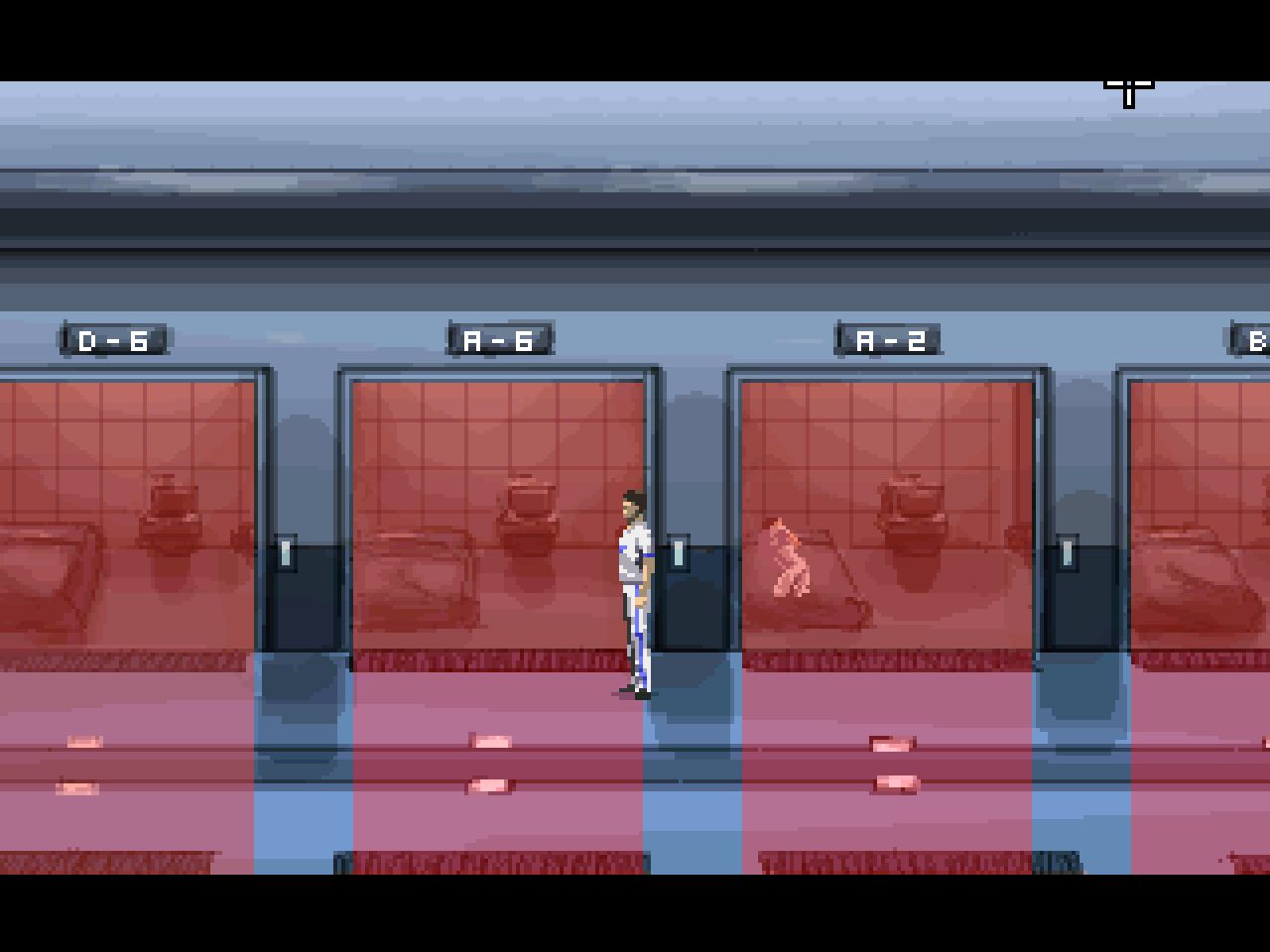
TEUTON: To kind of segue from that statement, I think some people… you’ve probably had to fight for twenty years against people saying that about point-and-click games themselves. Even as recently as the February edition of this year’s Game Informer, there’s a good article about adventure games by Andrew King, and in that you say, when people are talking about some adventure games being outdated, you kind of push back on that and say, “Should I innovate in adventure games? Being asked what’s the future of point-and-clicks is like being asked what’s the future of books.”
GILBERT: Yeah. Yeah, yeah, yeah, yeah, yeah.
TEUTON: But many of your games have kind of made innovations in the point-and-click genre, whether it’s the memorization system in Resonance or like in Unavowed, which I assume is BioWare-inspired party variation.
GILBERT: Very much so. It is the BioWare narrative structure. That’s how I describe it because it’s an easy shorthand to describe what the game is.
TEUTON: Yeah, everyone knows what you mean when you say that. At the same time, how much do you think you can push at the boundaries of point-and-clicks before they become unrecognizable? Where is that line for you?
GILBET: I have no idea. It’s just, “Is it fun?” That’s kind of where I draw the line. I think the reason why I say, “It’s like asking what’s the future of movies, or how do we innovate books,” is because, yeah, you get bigger budgets, better special effects, better techniques, and more interesting stories you can tell, and I think that is where I push innovation, is “What kind of stories can I tell using this medium of the point-and-click adventure game?” And sometimes the story necessitates doing something a little different with the interface, but I don’t start developing the game or designing the game with that in mind. It’s more that the story and the narrative necessitate an innovation. I don’t wanna start with the innovation ’cause I think then it becomes very superficial. It becomes very gimmicky.
With Old Skies, I knew it was time travel, and the time rewinding stuff just sort of happened very organically as a result of the story, that kind of thing. Unavowed, the whole BioWare-style party building stuff was very tried and true. It was something in those games for years, mostly by BioWare. Everyone was very familiar with it. I already knew it worked. I don’t really consider that an innovation, because I knew it worked. It’s something that we all are familiar with, so I just put it in a point-and-click adventure game. It wasn’t really that earth-shattering.
It made it a lot more challenging, but it wasn’t anything I hadn’t already done. I already did the character stuff, the story design, the whatever structures. I just had to do a lot more of it to take into account all the different party combinations. So it just took a little bit more time, but I wouldn’t call it particularly groundbreaking.
I’m kind of putting myself a little bit down here. [laughs] No, everything I do is special and unique and amazing and earth-blowing, earth-shattering. No, no, no. I don’t really think in terms of, “How can I push the genre forward?” I don’t really think that way, because like I said, then it would just turn very gimmicky. I have to please myself first and foremost. I’m drawn to make these games and tell these stories for a reason, and I have to remain true to that above everything else. I think that’s what gives them a certain sincerity that can’t be faked.
TEUTON: I think that sincerity is part of the reason why those games do resonate with people. You were kind of putting yourself down a bit, but to push back on that, in 2020, the second edition of the Art and Point-and-Click Adventure Game book, they name Wadjet Eye Games as the successor to Sierra and LucasArts in keeping the point-and-click genre alive.
GILBERT: Ah, no pressure. [laughs]
TEUTON: That was in 2020. Six years on from that now, how do you feel about the state of the point-and-click genre today?
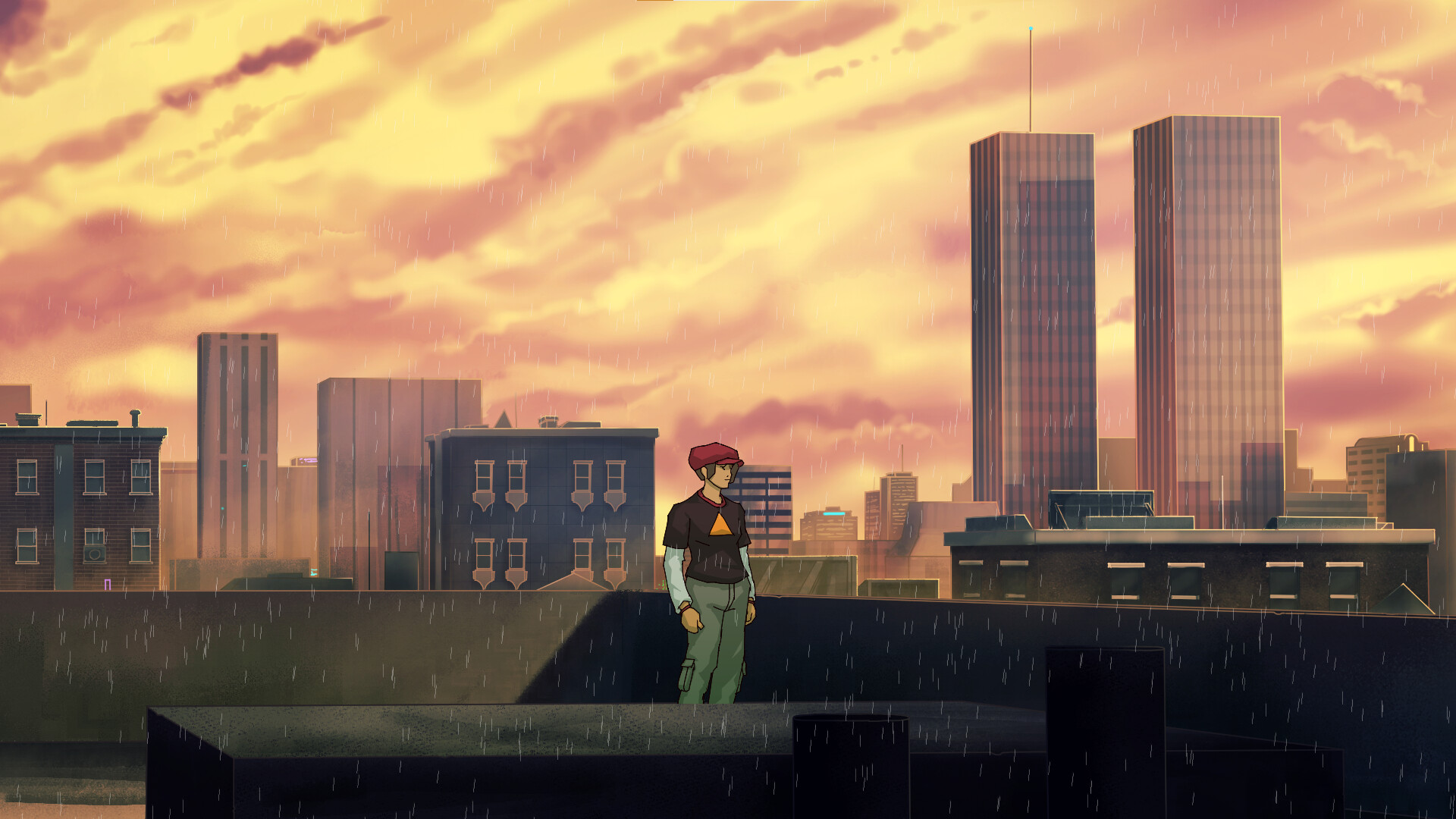
GILBERT: It’s bigger than it ever was. I know that in 2024, the website Adventure Game Hotspot said that there were over 300 point-and-click style adventure games released, and I know last year in 2025, that number was much, much higher. More of these games are being released than ever, and a number of them are much better, sell better than mine, and that’s great. That’s fine. I think the more that this genre is known and the more it’s taken seriously, the better I do. I never wanted to be the standard-bearer for a whole genre. I think that’s too much pressure, and I like to keep things simple. I don’t really think anything about it. I’m grateful that I’m able to make these games, and I’ve been doing it for so long, and I’m kind of considered an authority on it, but that’s only because I’ve been doing it for so damn long. I do like it. I like my position. I like where I am. I like that I can make these games, and I have a fan base and a following and a reputation that’s been built up over 20 years. [laughs] But, yeah, I don’t really think of myself as the load bearer for a whole genre. I really don’t want to be that, because it’s too much pressure.
TEUTON: I understand that. When you look back over all 20 years, I know it’s a little bit like picking a favorite child, but do you have a personal favorite from all of the games that you worked on, or is it just whatever currently is in development right now?
GILBERT: Oh, good gosh. There are games I like for different reasons. I think Unavowed is something I’m particularly proud of, because I wasn’t sure if I could pull it off. It was ambitious. I was a little glib about it before. I’m like, “Oh, yeah, it’s nothing I hadn’t done before.” But that’s just it, it was nothing I had done before. Before I started working on it, I wasn’t sure I could do it, and I was very happy to see that I could. And the fact that it works really well and is very cohesive and is satisfying to play and people still like it all these years later, immensely satisfying.
Old Skies is probably the most personal game I’ve ever written. It took me by surprise and really delighted me as I was making it, so I’m very happy and proud of that one for entirely different reasons. Unavowed, I wouldn’t call that personal. I’m very proud of it because it’s the type of game I love playing. Old Skies is the type of game that really took some… it really enabled me to process some stuff, shall we say, and I’m very grateful to it for helping me do that.
I like all the games for different reasons. Blackwell Epiphany is another one I’m very happy with because when I first started making games commercially, Blackwell Epiphany is the game I had in my head. That’s how I wanted Blackwell Legacy to look and feel and play. Didn’t get there, but I finally got there five games later, and I’m very happy that I was able to eventually get there. And of course, then I ended it right away, which, you know, I don’t know what that says about me. So if I have to pick three games, it’s those three, but for different reasons.
TEUTON: You talk about how Unavowed is the type of game that you like to play. What are you playing right now? What’s the last favorite game that you played?
GILBERT: I’m not even playing an adventure or narrative-focused game right now. I’m playing a game called AETHUS, which is this base builder resource management thing. It’s got this core game loop that’s very addictive and a lot of fun.
Generally, my game, my genre of choice are those choice-based RPGs like BioWare [games] or Baldur’s Gate 3 or whatever. I know I’m looking forward to Greedfall. I know that just came out recently, and I know that’s got that same structure. When I have some time, I’m gonna check that one out. Those are the types of games I really like to play. I find those the most satisfying.
TEUTON: I just have a few more questions, and they’re just rapid-fire ones I just think are fun. If you had to pick one point-and-click game to introduce a new player to the genre, what game would you pick?
GILBERT: Oh my goodness gracious. All right. Top of my head, I’ll say Loom, because it’s very user-friendly, it’s beautiful, it tells a very deep story, and it’s not too difficult. You play it, it won’t frustrate you, and you’ll leave wanting more like it. So I would say Loom.
TEUTON: If you could make a game with an IP that you don’t have the rights to, what would it be?
GILBERT: Oh, easy. Dresden Files.
TEUTON: Oh, fun. I would play that.
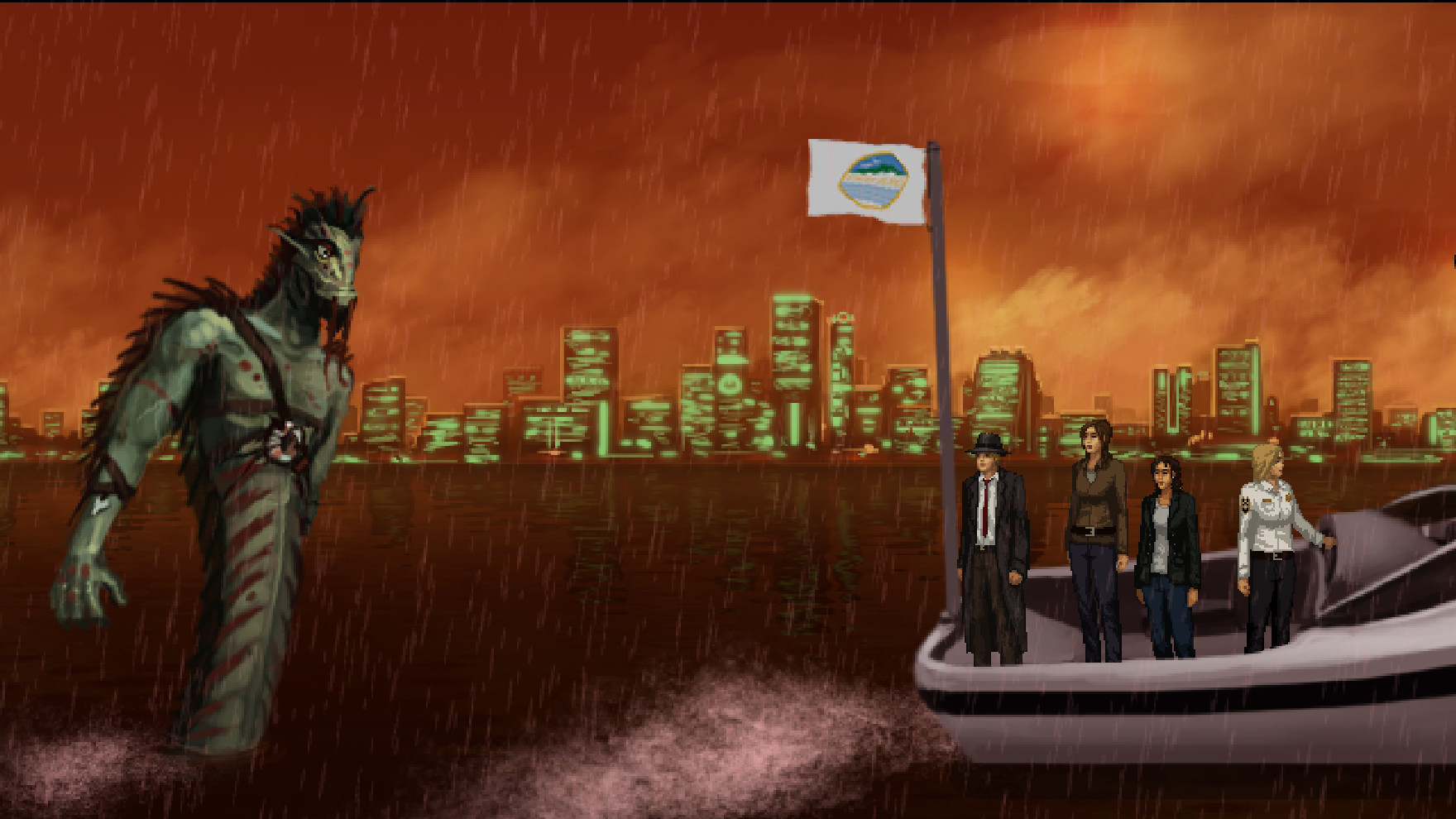
GILBERT: Yeah. Unavowed is basically what happens when Dave knows he’ll never get the Dresden Files license. It’s basically Dresden Files with the serial numbers removed. [laughs] For, at least, at first, then I kind of went in my own way, which is how it should be. Everyone’s inspired by something, but I freaking love Dresden Files. I’ve loved it for God knows how long. Almost 20 years I’ve been reading that series, and I just love it. So yeah, Dresden Files for sure.
TEUTON: Cool. All right. Well, Dave, thank you so much. I know the Spring Steam sale, I believe, is ending in probably like 30 minutes or something like that…
GILBERT: An hour. Yeah. [laughs]
TEUTON: But is there anything that you want to plug or share with people that you’re currently working on?
GILBERT: We’re working on publishing two projects right now. One is Nighthawks by Richard Cobbett, which is this vampire RPG-type thing. It’s kind of a Bloodlines/Sunless Sea hybrid, which is very different from what we usually do, but it’s gorgeous. Richard’s an amazing writer.
There’s also a game that Ben Chandler, the Wadjet Eye artist, is spearheading, called Gilt, which is this gonzo sci-fi fantasy with gods and magic, and it’s just gorgeous. I think Ben is just happy not to have to draw another city street or office, so he’s just like, “Weird fantasy crap from here till Sunday!” So he’s, he’s, he’s excited to be working on that.
It’s nice because I can kind of act as a producer while I slowly figure out what I’m gonna do next. It’s nice to have a bit of breathing room. So that’s worked out pretty well. Doing the producing/publishing thing as well as the developing thing and switching back and forth kind of works out really well for me, because I have those moments in-between projects where stuff is happening, but I don’t have to stress about being productive myself. It’s nice that I’m in that position.
TEUTON: Cool. Okay. Well, thank you so much for taking the time to talk to me today.
GILBERT: You’re very welcome. This was short and sweet. Love it.
THIS WEEK’S RECOMMENDED MEDIA
About the Author

Discover more from Bonus Action
Subscribe to get the latest posts sent to your email.