

The mapmaker mode in TimeSplitters: Future Perfect is one of the best custom level editors ever included in a video game. That’s the only real point I want to make this week. Unlike some issues of Ludology Now! I’m not trying to make a larger statement about the world around us, I’m not doing a deep dive into an important aspect of gaming that needs fixing, and I’m not here to make a plea for a game or cause that needs your help. No, this week I just want to briefly talk a bit about mapmaker modes, level editors, and why I keep playing TimeSplitters: Future Perfect 20 years after it came out.
I first fell in love with level editing in the DOOM and Duke Nukem 3D era, but it wasn’t until the Tony Hawk games that I remember them being available on consoles. I was fascinated with the idea of putting my own spin on existing games; one of my friends and I played so much GoldenEye 007 and Perfect Dark that we spent multiple Saturday nights drawing up our own multiplayer maps on grid paper. The fact that I could just make my own grind paths in Tony Hawk with a controller was amazing, and it’s a mode I got deeply stuck in 20 years later with Vicarious Visions’ recent remasters.
If a game has a custom level editor, it is intrinsically a better game than it would have been without it. Even if the level editor is bad, it doesn’t matter. I have talked to dozens of game developers who told me that the first thing they started making were custom levels in developer-provided level editors, and giving people the tools to play around with these creations in established systems is a fantastic way to teach-through-doing the basics of things like level design, enemy placement, weapon balancing, and hundreds of other soft game design skills.
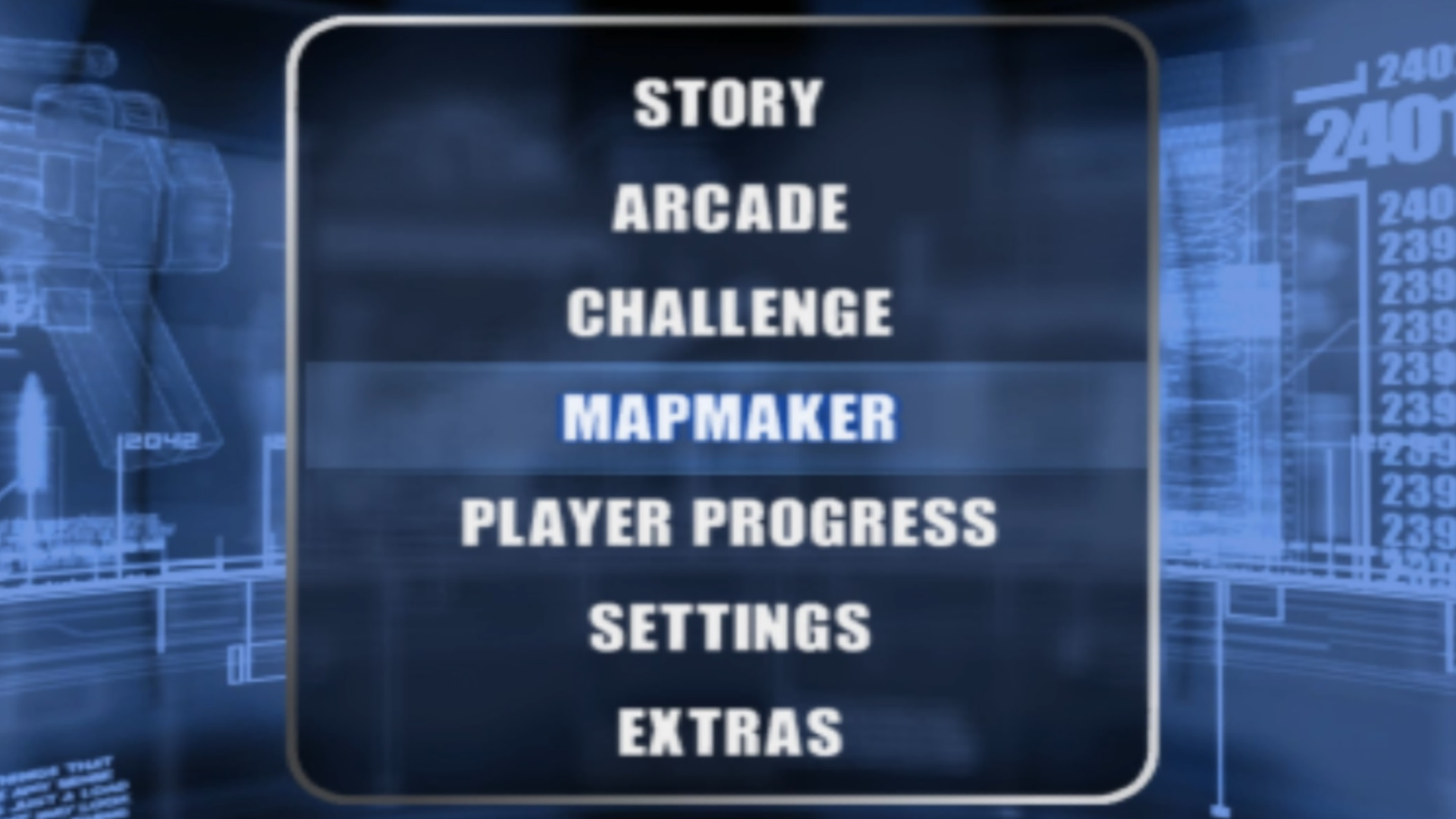
On a PC, level editing feels more like you are actually using the same tools as the developers, because in a sense you are — the game was mainly built using a keyboard and mouse, after all. On a console you don’t have as many buttons and commands at your disposal, so developers have to work around some things. Players can’t type out code on a keyboard, for example. Everything has to be designed to be drag-and-drop. These design requirements necessitate simplicity.
There is also a LOT less free space on a disc which already has an entire game pressed onto it, so most of these early console mapmaking modes (and even later ones like Fallout 4’s base building mode, which is basically the same thing with less features) had a meter which will fill each time a new game object is added to the map. If these didn’t exist, players would crash their own games within hours. These constraints force players to think creatively, to try and maximize the most amount of fun in the space allotted.
Apart from the Tony Hawk series, mapmaker modes and level editors tend to mainly appear in FPS games. They’ve become more common over time as many of us who were Duke 3D level modders have since become actual game designers, but more often these days you’ll see an entire game built around a map-making or level editing system. From Super Mario Maker to Quest Hero to, most recently, Blue Prince1, it’s obvious that many, many players enjoy laying down their own road to follow. And I think that’s great. The most recent game I played with an “ideal” mapmaker mode was Emberheart Games’ Wizordum, and I had a ton of fun with it. See what I made below:
To me, level editing and the mapmaker mode in TimeSplitters: Future Perfect (or, really, any game that offers one) is the equivalent of developer-sanctioned fan fiction. Just like writing regular fan fiction, it’s a great way to practice skills that you may want to use professionally one day down the road. You don’t need to worry about code or copyright issues, all you need is an idea in your head.
Just last weekend I had a friend over and, because this has been on my mind recently (and because half the fun of making something is in the showing off) we played the map I most recently made in TimeSplitters: Future Perfect. It’s called Bloc Mesa and is designed in a similar manner to the Temple map in GoldenEye 007, with lots of opportunities for vertical combat as well as winding walkways that lead to the back entrance of other team’s bases. It was quite fun and, while playing that, we were talking about other ideas for possible maps.
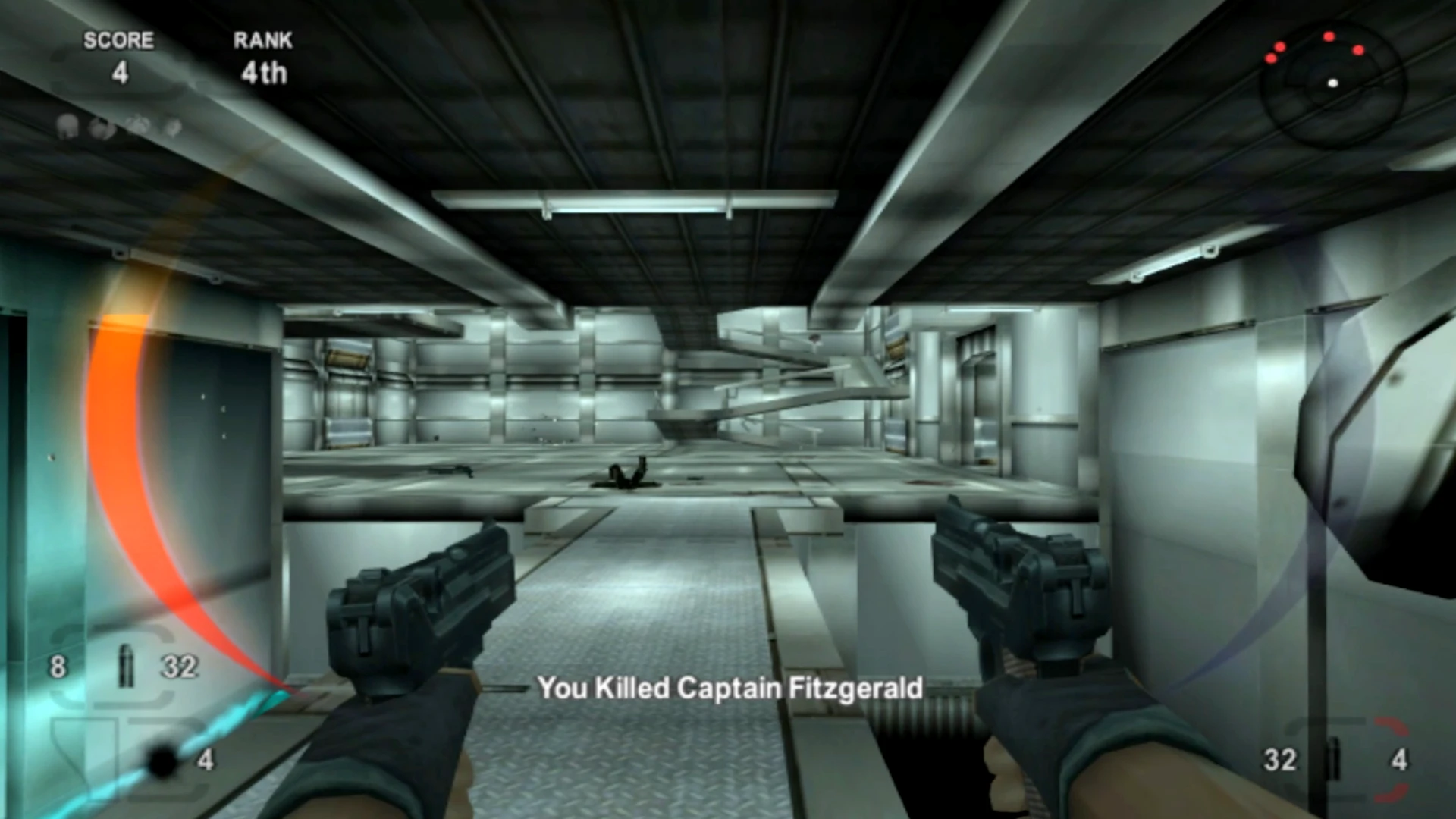
The point is, after about 30 minutes of playing the first map we then eagerly jumped into TimeSplitters’ mapmaker mode and tried to execute our idea. The original concept (one giant room with DOOM-like enemy closets where Deathmatch players would spawn in the ceiling) was okay, but once we added vehicles and turrets it was ridiculous how much fun we were having. Did we basically make indoor Blood Gulch from Halo? Yes. Does that matter? No.
Mapmaker modes are excellent. Put them in more games. TimeSplitters: Future Perfect is also excellent and the gameplay holds up extremely well. That is all. I literally cannot type any more, because I need to go make my own map… in Blue Prince.
THIS WEEK’S RECOMMENDED MEDIA:
- [PLAY] Blue Prince. Don’t let the fact that this is the highest Metacritic score of the year so far turn you away, this game is actually very good. Also play South of Midnight and Rosewater. It’s a crowded April, I get it, but at least pick one of those three.
- [READ] Look, you should have read everything Aftermath posted during last week’s Inside Baseball week, but even if you aren’t a developer or writer you will get some quality information from this interview with Xalavier Nelson.
- [DON’T READ] Video game guides for Blue Prince. What the heck is wrong with you? Why are you doing that to yourself?
- Seriously, Blue Prince is my new favorite Myst-like game since Myst. I want to talk about it, but to talk about any part of it that someone hasn’t seen yet is to spoil the experience. I’ve never still wanted to (and also had the ability to) keep playing a game this much after rolling credits. Maybe next week. ↩︎
About the Author

Discover more from Bonus Action
Subscribe to get the latest posts sent to your email.






![Gnome Chompski Left 4 Dead 2]](https://bonus-action.com/wp-content/uploads/2026/05/Gnome-Chompski-Left-4-Dead-2-768x432.webp)
![Gnome Chompski Left 4 Dead 2]](https://bonus-action.com/wp-content/uploads/2026/05/Gnome-Chompski-Left-4-Dead-2-150x150.webp?crop=1)