
Image via Marvel
“I was once a 13-year-old girl with internet access and unlimited time on her hands,” begins Emma Kidwell during her presentation entitled “Game Narrative Summit: My OC Writes IP: How Fanfiction Primes Us for Established Franchises” at GDC 2025. As someone who also, at one time in my life, fit that exact description, I was intrigued and extremely curious about how she shifted from the fanfiction space to that of writing professionally for video games.
Unfortunately, as the presentation continued, I was left with more questions than answers. If you were going to her presentation with no knowledge of fandom, Kidwell did an excellent job of explaining how it works – even showing flowcharts of the process many fanfiction and roleplaying writers follow during the course of their writing journey. However, for those already familiar with fanfiction as a whole, it fell a little flat.
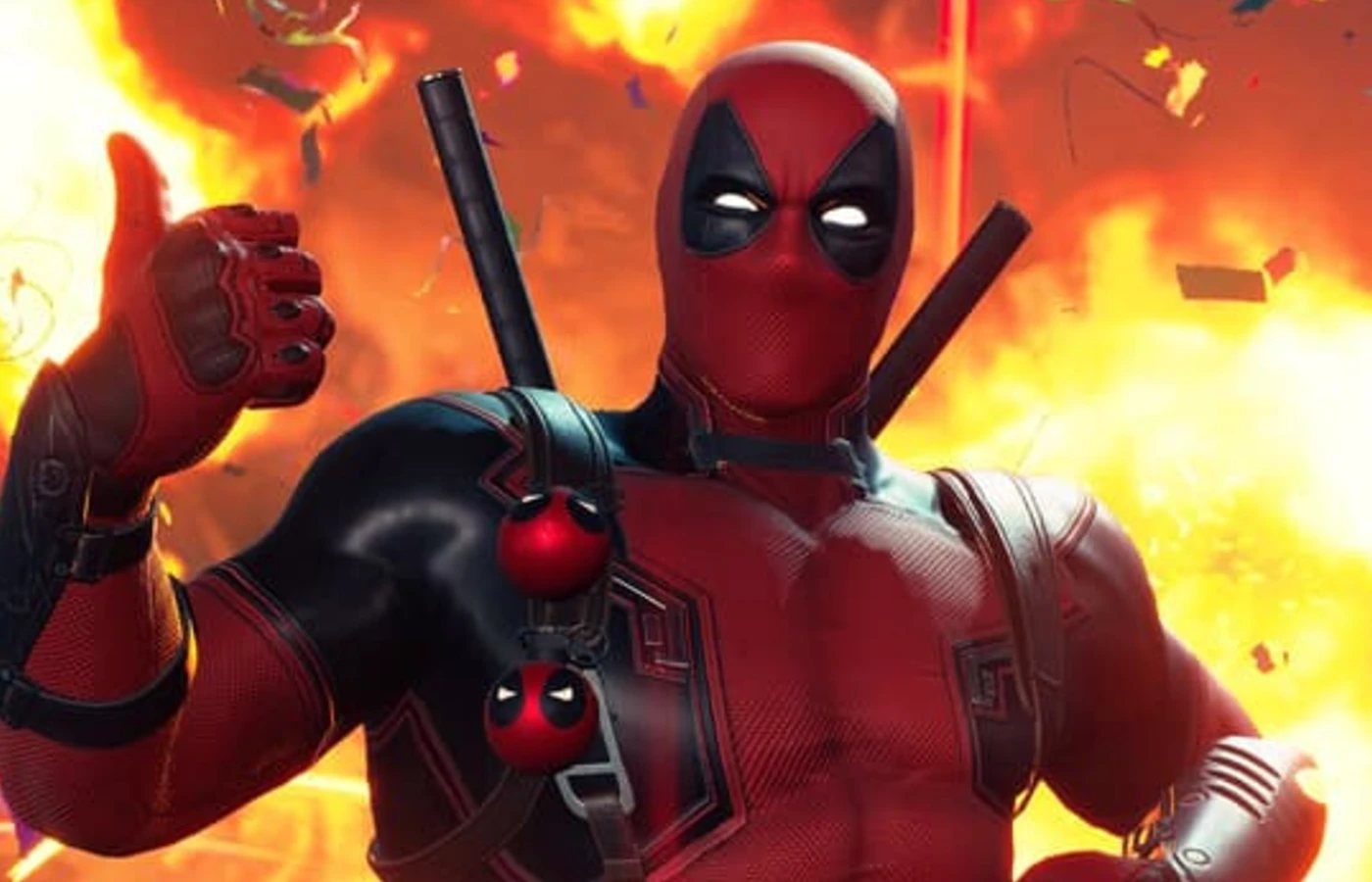
Emma Kidwell is an award-nominated writer and narrative designer currently working with Firaxis. I, like many in the audience, was hoping to get information on how she was able to transition from the fan spaces to writing adaptations of the widely beloved characters Deadpool and Storm for Marvel’s Midnight Suns DLC.
While Kidwell did give practical advice on getting comfortable with writing in a way that pays respect to the IP franchise, the information wasn’t new to longtime fan writers, nor did it feel practical for transitioning into the professional space.
Understanding the Characters

“The more you familiarize yourself with the fiction, the easier it will get.” This is something that any writer of any genre understands. It is difficult to write when the characters and setting are foreign to you – whether it is your own characters or someone else’s, you need to understand what it is you’re writing in order to allow the content to come together cohesively.
While writing in the sandbox of fanfiction, rules don’t apply. It can be easy to fall into the trap of writing characters how you want a character to be rather than how they were already written to be. Kidwell referenced moderated forums when roleplaying as a way to write with a forced adherence to the canon.
If you want to write for these established IP characters, it is critical that you have a third party that can tell you when you’re leaving the path of canon and veering too far into the realm of fanon and headcanons. This may be a moderator, an editor, or even just a friend referring back to the original source.
Technically, You’re Not Wrong
Nothing Kidwell said during the presentation was technically incorrect information, but overall, it did not seem to actually be helpful for the audience in terms of making the transition to writing IP professionally, and some of the advice felt like it fell into a very shady gray area that needs to be handled with care.
“All IP writing is fanfiction and so are writing tests.” On the surface, this may seem like a fairly innocuous statement. But I do believe there is a big difference in taking ownership of how and what you are writing, whether that is as an original piece versus writing for established franchises.
Where is the plagiarism line? Is The Lion King plagiarizing Hamlet? Does Romeo and Juliet get plagiarized by West Side Story? Is The Love Hypothesis stealing from the Star Wars franchise? Does it matter if the characters are in the public domain? What if you are changing the names and identifying features? How about if you’re writing an alternate-universe version? I don’t know the answer to these questions, and I’m not sure there is a solid answer that everyone can agree on.
If You’re Submitting Fanfiction, Own It
During the final Q&A with the audience at the end of her presentation, Kidwell was asked if she recommended submitting fanfiction as part of your portfolio when applying to writing positions within the industry. I don’t disagree that it may be appropriate to do so, especially if the position is for a writer of already established IP, but I do not agree with her answer entirely.
Some stories are universal. Some experiences are universal. But changing just enough of the story so that it isn’t recognizable as someone else’s IP or easily seen with one-to-one sort of changes, as suggested by Kidwell, does not feel ethical. While the story idea may be your own, you are playing in a world of somebody else’s making and with somebody else’s characters.
I believe portfolio pieces are comparable to an actor’s audition – if you are trying to show you know how to get in the head and become another character, submit your fic. Own that it is fanfiction. Show your ability to write that character in a way that is honest and true to the canon of the original franchise. Don’t change it slightly and pretend that it is something that it isn’t.
Questions I Still Need Answered
Does any of this help with getting a writing position for the next up-and-coming game? I don’t think so. There were plenty of questions that Kidwell left on the table that I can’t stop thinking about.
What are the team leads looking for? Are there any specifics that could be helpful in standing out to the hiring manager? How does the writing differ if you’re writing a parody rather than writing for the franchise? What are some ways to write characters from historically disenfranchised backgrounds or minority groups in a way that is honest, ethical, and serving the community rather than hindering it? Can you go deeper into how you research a character? If there are different iterations, how do you make the choice as to which path to take?
Start With Honing Your Writing Craft
If you want to be a writer for games, the best thing you can do is practice. Practice all the time, everywhere, and with different styles of writing. Learn your voice. Learn how to write in someone else’s voice and to embody and embrace your characters. Learn how to make distinctions between different characters. Learn how to research and ask questions so you can write characters outside of your own experience.
The more you write, the easier it will get. As Kidwell said, “You have to write every day in order to get better.”
About the Author

Discover more from Bonus Action
Subscribe to get the latest posts sent to your email.