Image by Bonus Action
Gaming can sometimes be a contentious hobby, with many different kinds of players and fans with differing opinions on the industry and its practices. One of those topics, which has always been a hot-button issue, is around preordering games. For many, preordering games has always been a part of the industry.
You can reserve your physical copy, get exclusive digital or physical items, or just get in on the action immediately. However, that doesn’t mean the game you get is always the one you wanted, and sometimes, you can open your game to find it unfinished, filled with extra fluff instead of polish, or it might just suck. So, that begs the question.
But should we preorder our games?
That’s the topic of the first BA Presents: Dialogue Choices, a debate-style discussion between some of us at BA on the issues and conversations surrounding games and our other hobbies.
This article is part of BA Presents, a series of articles that feature collaborative and experimental topics and formats. The aim is to provide you, our lovely readers, with something a little more personal, and maybe different than you might find elsewhere. Be sure to check out more of our BA Presents as we release them!
Writers Featured
Matt – For this Dialogue Choices debate, I will be arguing for preordering games. My relationship with this topic is a bit complicated, but I believe that preorders, while not for everyone and not in every case, are a great way for players to invest in games they are excited about, and the excitement around it can be positive in an industry filled with negativity at the moment. Whether that’s physical editions, collectors, or some extra goodies, I believe that it should be an option for players, who can spend their money as they see fit.
Laura – For this Dialogue Choices debate, I will be arguing against preordering games. I believe that preorders discourage developers, especially AAA developers, from continuing to work on projects once they are funded before launch. Preorders also encourage the extortion of hype purchases, where players will purchase extensive “special editions” before they even know what the game’s quality will be, leading to overspending and often not receiving the value of a purchase. I am sick of FOMO culture, and watching gamers spend money on products that, in recent years, just haven’t delivered on pre-release promises.
Is There Nuance in Preorders? When Should You Do It, and When Should You Say No?
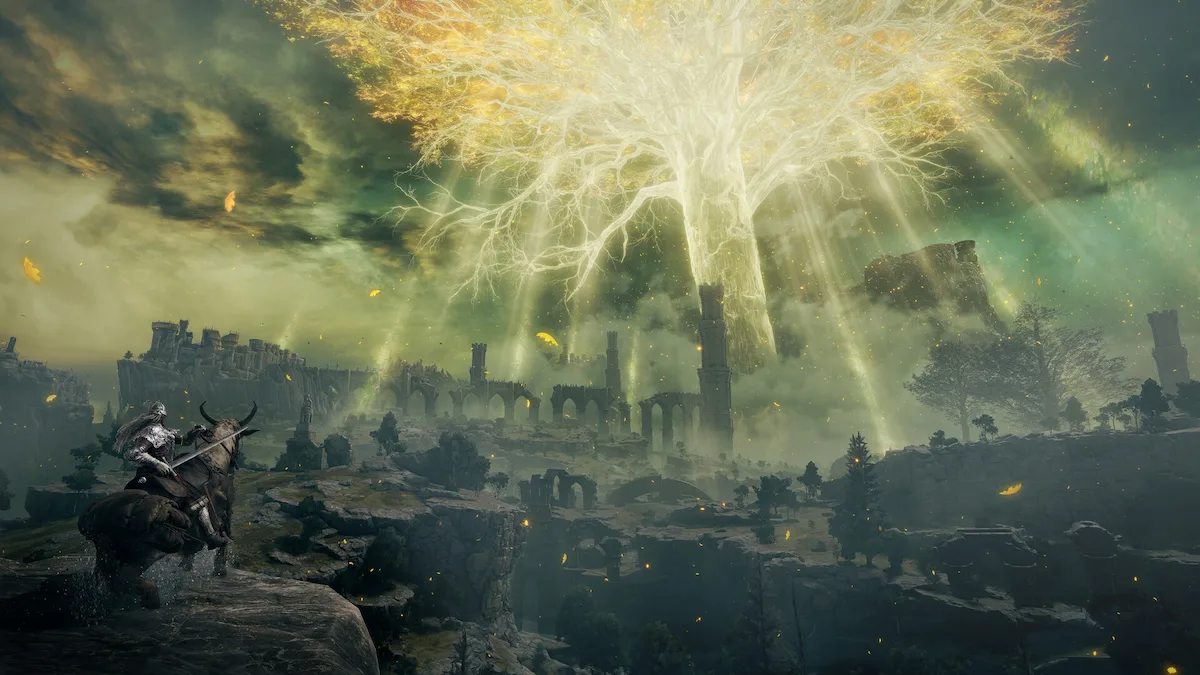
For anyone adamantly against preorders: Consider the case of a company with a perfect track record – one that has delivered games almost perfectly, time after time (Naughty Dog, FromSoftware, Insomniac, Valve). Imagine they’ve never failed their player base; they deliver hit after hit. Would their proven track record make preordering justifiable for you? – Cande Maldonado
Laura – What I will say here, is that brand loyalty is a double-edged sword. While there are companies out there that won’t cut corners, it’s a game of “one naughty kid can ruin it for the whole class”. By engaging in preorders in any capacity, you as a consumer are indicating you are willing to purchase an unfinished product with minimal knowledge. When you preorder, you are saying to the company and any other companies paying attention to those numbers that you will make a purchase based completely on brand loyalty and no other basis. This obliterates the ability to hold companies accountable for the quality of a product.
Unfortunately, preorder culture isn’t just impacting game quality either. By preordering products like shoes, technology, makeup lines, or anything at all really, you are saying that you trust the brand enough to pay them before you’ve seen the end product. I don’t think there are too many brands out there that are capable of truly delivering on that trust, especially when the cost of so many of these items continues to go up.
Because we’ve already purchased it, you get what you get, even if it sucks. You bought the game months in advance, and now you have something riddled with bugs, or that has an ending they decided not to finish because they could take and make it DLC and get more money. Looking at you Dragon Age: Inquisition and Pokemon Scarlet & Violet.
What sucks is that, in most cases, it’s not even the developers or creators that are to blame for taking advantage of preorders. It’s on the corporate side of the coin that things get dicey. If a big executive knows they have an audience completely wrapped around a brand, they are going to do everything in their power to get as much money from you as possible. It’s up to us, as consumers, to say no to being taken advantage of. Not only does this protect us, but it forces those execs to properly fund games, care for devs, and see projects through. If they’ve already made a profit before the game is even complete, what’s the point of finishing it? Take care of yourself and the things you love by not being blinded by a brand you think is going to care about you as much as you care for it.
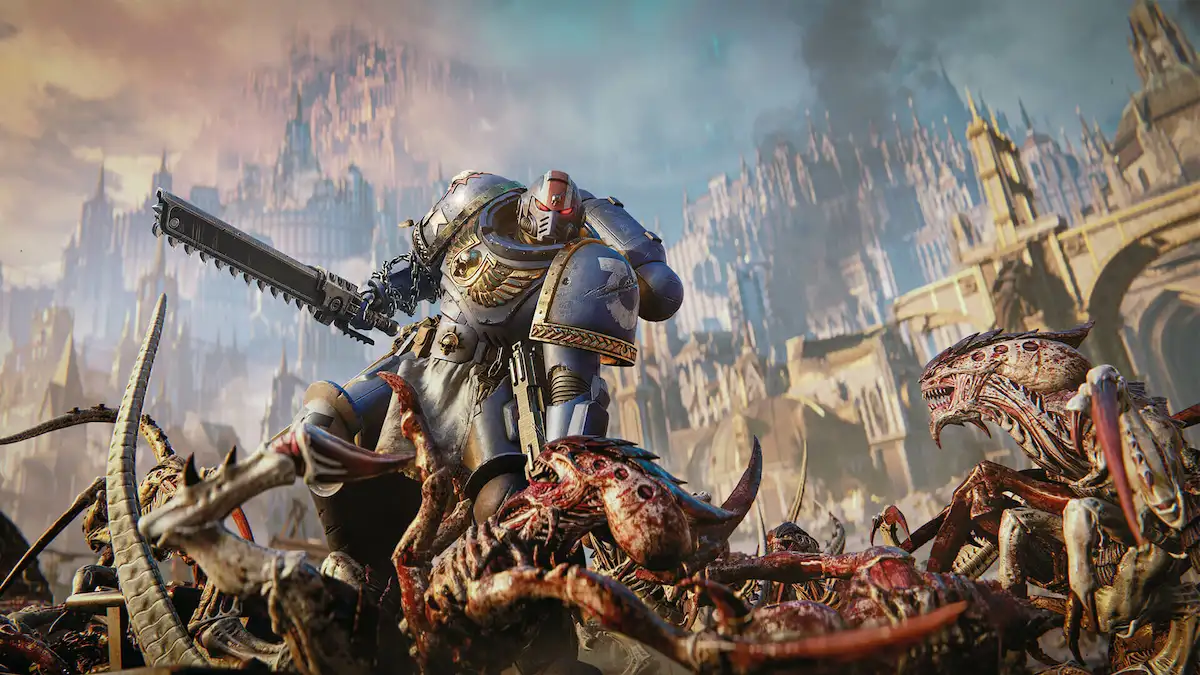
Matt – For me, this is a case-by-case basis, and it is very dependent on the developer or publisher behind a project. To be transparent, there are certain franchises or developers whom I have great faith in and have felt my money spent on their games was worth it, a recent example being Warhammer 40k: Space Marine 2, and I do not regret that decision. My reason is that I felt informed about what I was getting.
Ultimately, I think developer transparency is a large part of where this good faith comes from for players, and therefore, their willingness to preorder. When you have companies like Larian, Saber Interactive, or the ones Cande mentioned, which have always been rather clear on their games, timelines, delays, etc, it goes a long way, especially when there are, as Laura says, bad apples that ruin it for others. When you have that transparency, and clear ideas on what you will be getting in a game, what their plans are post-launch, or if they are making certain decisions, I know I am more willing to listen and consider putting down my money for a product if I feel well informed. I guess what I’m saying here is, be informed, and do a little research to be sure it’s something you want to buy.
Take my Warhammer 40k: Space Marine 2 example. When I went to preorder, I at that point knew the content that the game would have at launch: Campaign, PvP, and PvE modes I could play with friends. I knew what missions to expect, how it would be updated, and a semi-clear idea of the season pass, which is cosmetic-only additions. Because of that clear information from Saber Interactive, I felt comfortable about preordering their game to play at launch. Yes, I was hyped, but I also felt confident in the knowledge that I knew what was in the package. Plus, they have a good track record, which played in their favor. For some, preordering makes sure they can get the game when they have the money. Times are tough, and someone might want to get their copy reserved while they can because, in a month, they might not be able to.
Now, does that mean every developer is like that? Hell no, there are definitely some that ruin it for others. But I think being a well-informed consumer and knowing the track record and what the developers have done before, should be a mandatory part of your consideration. A well-informed consumer is a powerful thing, and you can then decide how and where that money goes, which should be to developers who have proven they are trustworthy. You can protect your money and preorder, the two aren’t mutually exclusive.
And if you change your mind, cancel the preorder, it’s that simple.
Should You Pay More For Pre-Order Editions? When Is The Bonus Good Enough To Up The Price?
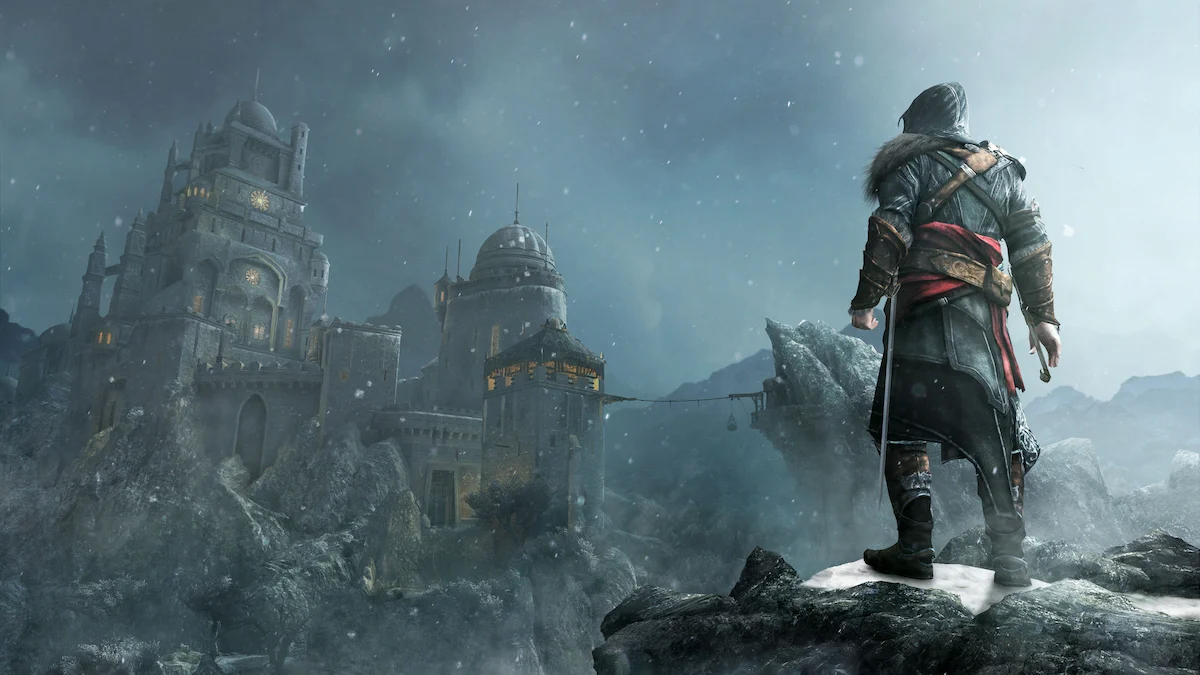
Should companies charge more for pre-order bonuses via different editions of a game? For example, I have every edition of most Assassin’s Creeds because originally they each had different DLC attached to them, but you could always just buy the basic version and save money if you didn’t care about a cape and an exclusive mission. – John Mercury
Laura – Pre-order Editions were created to make pre-ordering look more attractive. Let’s look at the history of pre-ordering. It all stems from when games still dropped in a physical format. If you didn’t pre-order in the 2000s, there was a solid chance you might not get to play your game on release day due to product shortages at stores.
However, with physical copies now only really bought by collectors and die-hard fans, you are pre-ordering data. Not the chance to stand in line with other fans of a game to get the hard copy on drop night. Not the physical product you can hold in your hands, pop into a console, or slide into a disk drive. You are paying full price or more to get intangible data that will auto-download on launch day. That, unsurprisingly, isn’t as appealing to people as the feeling of securing your copy of something to make sure you have it on launch day.
Because of this, we now have the pre-order bonus onslaught. Get it early and you’ll get a cosmetic no one else will have. Pay ahead of time and they’ll throw in an item starter pack of stuff you can get eventually in a game, but you’ll have it on day one. Heck, you might even get a fancy Steam badge to show you choked up the cash for the fancy edition.
The best part about this? There are tiers! The more you spend, the more weird junk you might get.
The only time I will pay for a pre-order is if I am getting a hard copy, and I will never pre-order for more than the base price, regardless of whatever junk the game might come with. Genuinely, I think locking content for a game behind a paywall only those with extra money can afford is unkind to the player base as a whole, and it also openly takes advantage of those who are afraid to miss out on any little nibble of a franchise they love. Pre-order editions feed on FOMO, and far too many of us fall prey to it.
Matt – I am not saying I fully agree with this, but whether we like it or not, a business wants to make money, and preorders have become a way to make a few extra bucks and do that. It’s like Ez said, the whole reason for preordering came from limited stock when buying games was a much more physical medium, but now with the rise in digital distribution, that need has shrunk, excluding your collectors and limited editions, so developers and publishers need another way to make that a worthwhile option, and if digital is the new market, then the goods will be digital too.
In this case, I’ll be a bit pedantic, because often a preorder bonus, such as cosmetics, will be included in the base game preorder and all the other editions, which in most cases will cost the same as before and after launch, excluding sales of course. So in that regard, I don’t see too much of an issue. Especially since you can usually buy that content for a relatively cheap price later if you choose to. Though for this I’ll always air on the side of “it’s your money, do what you will with it”.
If we are talking editions in the sense of one having a season pass, or including some extra in-game currency that is going to be available to purchase anyway, then yes, they should charge more. The other editions are usually the more bulky content, your expansion/season passes, and what have you. The content of the pass, or that extra currency, is being bundled together and would cost money if purchased on its own regardless, in fact sometimes it will be cheaper to buy the bundle or other edition. It takes time to make, and again, it’s a business, and they want to make their money back. I say this not fully liking the practices or methods, but I’m also not naive, and know this industry is expensive, and this is a way to recoup cost, much like microtransactions, but that’s a topic for another day. Like I said previously, be informed of what you are paying for, including preorder bonuses and editions, and make your decision from there.
I think this is again going back to my first point in a way. If you are ok with preordering and getting those extra bits, it’s your money, so feel free to do with it as you wish, but maybe just think about what is actually included beforehand. Sometimes it can be worth it for that little extra flair, and sometimes it’s not. That’s up to your preference and stance.
What Should and Shouldn’t Be In a Pre-order? What Is Really a Bonus and What Has Zero Value for the Player?
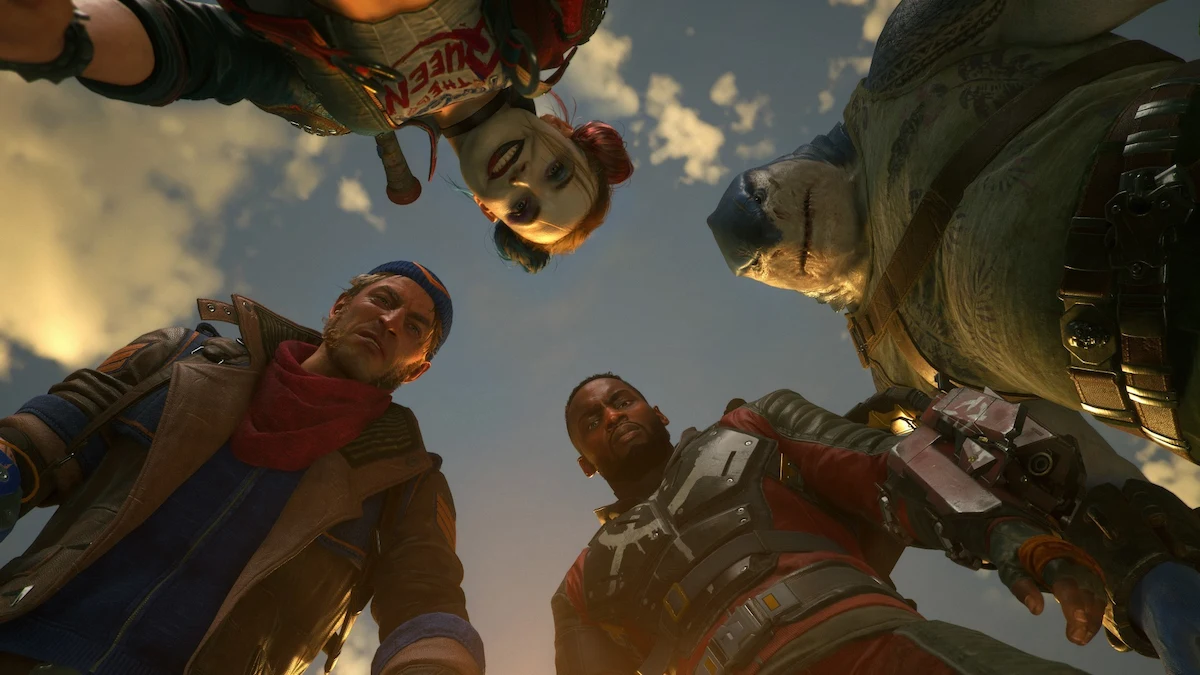
Which pre-order bonuses are justifiable and which aren’t? Examples: Suicide Squad: Kill the Justice League offered three days of early access, which ultimately didn’t work due to technical issues. Is early access as a preorder bonus fair in an online game? Here’s another example: God of War offered cosmetics for preorders – three shield skins, which were essentially just the same shield in three different colors. – Cande Maldonado
Laura – I am about to drop the hottest hot take. “Early Access” is one of the worst gambles for pre-order purchases ever. Not only are you playing a pre-launch copy of the game, but there is a very real chance you might spend up to forty dollars more for a game, nearly double the price, just to have access to something that might not work. Again, the FOMO factor is at play here. Just be patient, it will drop, and you will get to play the finished build.
I genuinely don’t believe pre-order bonuses should exist. I don’t think there should be a reward system for buying a game before release day. It’s bribery to get you to spend even more money on a game you’ve only seen three trailers for. That is another topic for another day. But suffice it to say that when we buy games these days, we rarely actually know what we are getting due to the “mystery” effect originally built by Marvel trailers in the 2000s through the 2010s.
A pre-order bonus should come with a physical copy of the game at no extra cost, old-school. It could be a keychain, a desk mat, a poster, or a little figure. Something wholly unrelated to gameplay, but fun for a collector or hardcore fan. Why? Because those with money to buy the ultra-premium fancy editions of things shouldn’t get the princess treatment with a bunch of limited, exclusive, one-of-a-kind garbage. You are not special because you can afford to drop 200 bucks on a game while other people have to buy milk. Keep the bonuses out of the game. Save them for the physical copies of things.
My plain argument is, that we are all getting scammed on FOMO so that we don’t miss out on a franchise we are brand loyal to. It creates a system of guilt and frustration for those who can’t afford to get them and a superiority complex for those who can. And then, if the game sucks, there is nothing you can do because you spent 100+ dollars on a limited-edition version of the steaming heap and you are stuck with it. But hey, at least you have a skin.
Matt – For once, I have a clean-cut answer to a question: if it’s not gameplay-related, or doesn’t offer an advantage to those who preorder, then I don’t mind what’s included. If it’s cosmetics, some extra currency for their in-game store, or a digital artbook/soundtrack, etc, then have at it, because that isn’t giving someone the edge in the game, and those who like that kind of additional content can enjoy it how they wish.
Alpha and beta access are also two I’ve no issue with, since in my mind, that is the best way to try that game before you buy it. If you preorder the game, and a month before you can play the beta, and turns out, you aren’t impressed, you changed your mind, you can cancel your preorder, and you can make that decision based on the fact you tried the game. Of course, developers should also give players who don’t preorder the chance to play, but that’s for another conversation.
With all that said, the one that does get muddy for me is early access. Full disclaimer, I have paid for early access to a few games, namely World of Warcraft’s current expansion, The War Within, as it came with the collectors edition I got. With that, certain bits of content in the endgame, such as Mythic Dungeons and the raid, couldn’t be played during early access or in the week or two following that, with the endgame really kicking off during season 1. By doing it this way, players who wanted to play early can choose to pay that extra and do so, and aside from leveling up, they couldn’t rush into those pieces of content or do much else aside from the story. So, I played the story, did loads of side quests, and got stuck into the world, and when everyone else joined, I got to play with more peeps and await the full endgame and reset to really get going.
Now, some might not be happy with that, but I think that is a better example of using early access if that is any option developers and publishers feel the need to offer. If you play a bit early, cool, but you aren’t getting the chance to jump ahead in the endgame. The minute it does have a noticeable difference in gameplay, balancing, etc, then I’m more inclined to side with Ez.
In the end, I think cosmetic or non-pay-to-win style preorder bonuses are fine. I might not like them all, or think you should get them, but at the same time, I also might, it depends on the bonuses, game, franchise, developer, and so on. But ultimately, just doesn’t offer gameplay advantages, and I’ll be fine with it, mostly.
Closing Statements
Matt – I think by this point is clear my opening statement had some truth to it, I do have a complicated relationship with this topic. There are some elements I find manageable and can live with, others I have no real feelings about, or some I do not believe are good for players or the industry, and I hope I have made those points clearer.
To close out this conversation, I will say this: Preordering isn’t going away, it just isn’t. People can say what they like about it, but there are those who want that option, and if it works, developers and publishers will use it. So, if it’s going to be sticking around, then show those same people what is a good preorder. Preorder when you know what you are getting, or you have had the opportunity to try the game, or if the people making the game show you what the game is, and give you that transparency. If they are the preorders that do well, I would hope that shows others what players want and expect if we plan to put our money down for something, and as I have said, be a well-informed consumer and vote with your wallet. Is it a good-looking game that you have a good idea of what it is, and you trust the developers who have been trustworthy before? Then have at it.
Laura – Overall, I think my opinion remains that, at this time in the industry, buying into any type of pre-order encourages a broken and toxic system. As long as pre-orders take advantage of the audience wanting to play the game, and offer nothing but empty promises and useless cosmetics, it just won’t ever be worth it. Additionally, purchasing a game before it is finished does not encourage good development practices.
At the end of the day, it is between the gamer and their money, whether they want to spend money on something unfinished, but to echo Matt, if you choose to do so, be sure to research the company and its past games before doing so.
If there is one thing I would like to impart to those reading this argument, ask yourself what purchasing a game early does for you. Is it for a budget? Or is it something you could wait until release day for? If you can wait, you should, because it will create a space where we prove as gamers we aren’t so gullible or impatient we will put our money behind unfinished projects. Make them finish the games. The devs, and we as gamers, deserve finished, quality projects.
About the Author

Discover more from Bonus Action
Subscribe to get the latest posts sent to your email.