Image via Riot Games
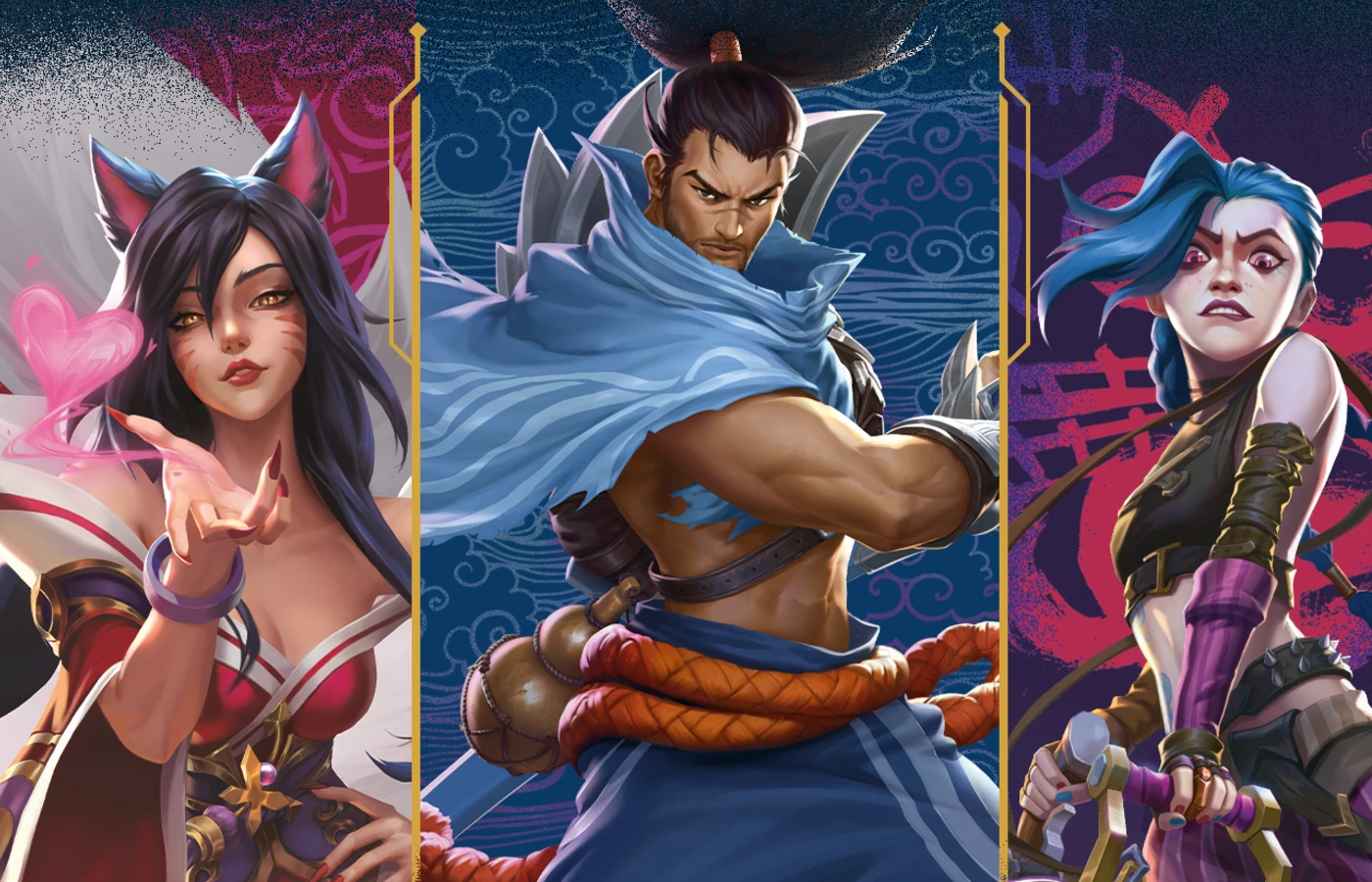
After our look at Riftbound during the preview event in early summer, we’ve been excited to get our hands on the finished product. Now, the debut expansion Origins has been released, and it includes a stunning selection of cards depicting favorite League of Legends characters ready to be built into decks.
Origins offers players everything they need to get started playing Riftbound. The game is fairly unique in its overall setup, which will challenge long-time TCG fans used to Pokémon or Magic: The Gathering. Riot Games has taken this into consideration, providing pre-built decks and the “Proving Grounds” tutorial game alongside the boosters that will offer self-built deck options and pre-built deck customizations.
Key Details
- Release Date – (English Set) October 31, 2025
- Set Number: 1
- Series: League of Legends
- Samples Provided: Yes
- Card List #: 298 (310+ with overnumbered)
Riftbound Debuts Origins With Beautiful Artwork
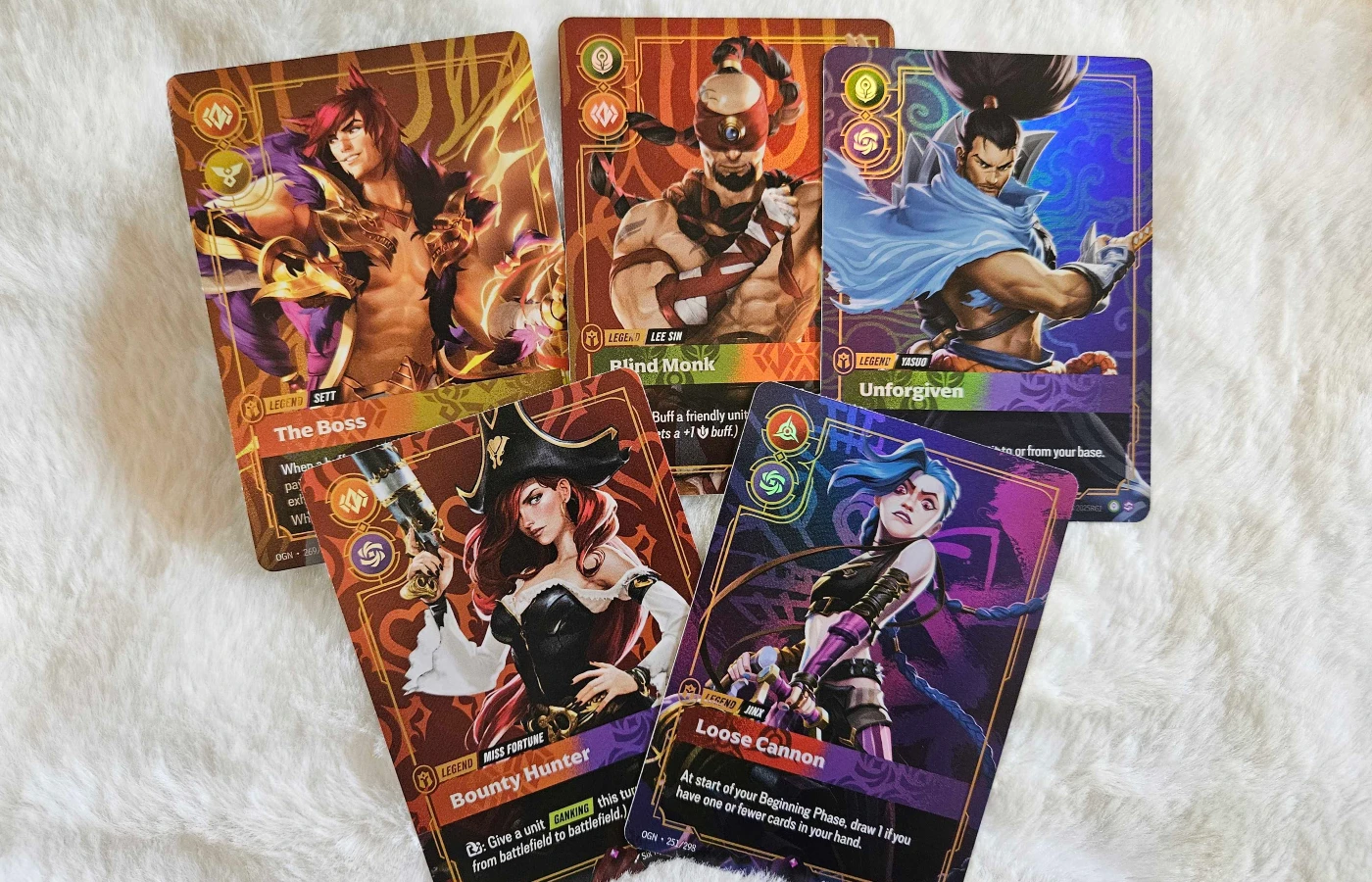
Riftbound: Origins features a selection of collectibles, including booster boxes of 24 booster packs. Each pack includes 14 cards of varying rarities.
The first print run of any tabletop game can have hiccups, and Origins is no exception. The cards have some roughness on the sides from cutting, creating a bit of white fuzz along the sides. The cards are also quite light, especially when compared to the textured feel of Pokémon cards. Weighting them a bit further, or adding a bit of texture to the back, could help the next expansion feel a bit more premium.
Despite this, the images on the cards are vibrant and clear, with the holos and etched holos looking particularly smart. We managed to pull a Showcase rare, and Herald of the Arcane looked stunning gold outlines and the sharp contrast of Viktor against the white background.
Riftbound: Origins Pull Rates Feel Balanced

Pull rates are always a topic when digging into the TCG. While there are collectible cards like the Showcase and Signed rares, the rest of the card list is not hard to pull. We were able to grab mainstays like Miss Fortune, Kinx, and Seth as their standard Legend cards, alongside a slew of Champion Units, Spells, Units, and Gear critical for deck modding.
For those looking to get started playing Riftbound, we recommend grabbing a pre-built deck and a booster box. The pre-builts focus on Jinx, Viktor, and Lee Sin, each offering very different strategies and playstyles. They are balanced out of the box and perfect for learning the ropes.
After playing with friends for a bit, players can start swapping in new elements from the booster box or attempt building a new deck entirely, but with knowledge of what a balanced deck looks like. Because the pull rates are balanced, there are plenty of playable cards ready to make the game interesting.
Riftbound: Origins Feels Like a Game to Play, Not Just Cards to Collect
One of the best elements of Riftbound: Origins is that it feels like a game designed to be played. In an era of collectibles, where rare pulls become an obsession that creates supply issues, Riftbound truly feels like it is interested in building a community of people wanting to play the game.
This is illustrated in how the booster packs deliver interesting options for decks, and how limited the types of collectible cards are. It’s refreshing, and one of the most exciting parts of the game.
Final Score 9/10
Riftbound: Origins is a fabulous debut to a TCG that offers plenty of new opportunities to tabletop gamers. The combination of card game mechanics and League of Legends is delightful, bringing a well-loved franchise to players in a new format.
While there are a few areas Riot Games will have the opportunity to polish up on in future sets, Riftbound: Origins is fun, addictive, and refreshingly geared towards actually playing, and we can’t wait to dive in and lose hundreds of hours to the decks.
**Bonus Action was provided with samples of Riftbound: Origins for the purpose of this review**
About the Author

Discover more from Bonus Action
Subscribe to get the latest posts sent to your email.