Photo by Bonus Action
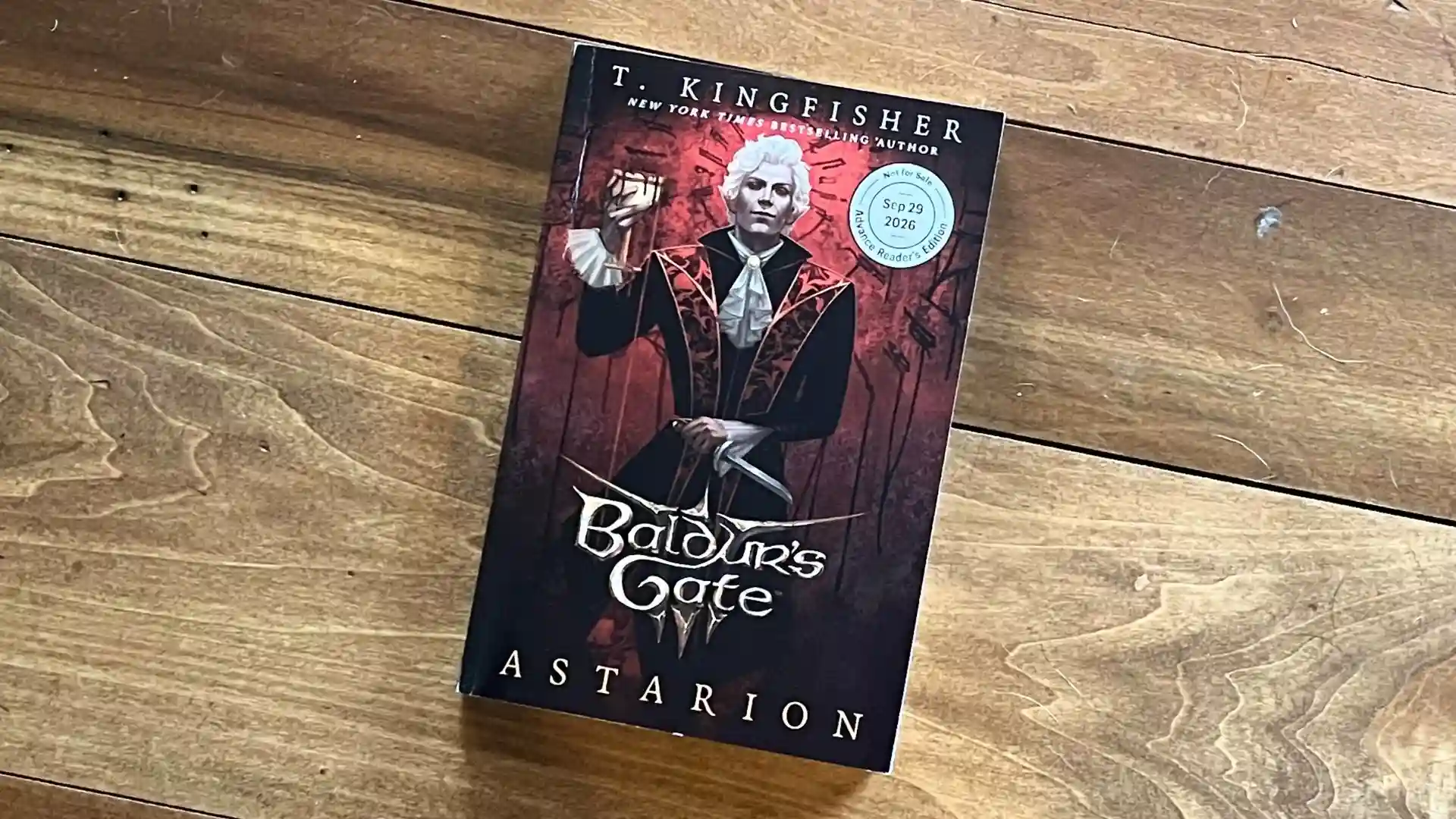
It’s hard to pick a favorite character in a game like Baldur’s Gate 3. So many of the companions and even side characters have unique, engaging personalities and robust backstories. And yet, for so many of us, the charming vampire spawn Astarion is the romance option. Never mind that I’ve yet to pull that off in a single playthrough; my heart yearns for Astarion. Thankfully, Random House Worlds and Wizards of the Coast saw fit to give fans even more of the Pale Elf. The prequel novel Baldur’s Gate 3: Astarion digs into the rogue’s past, as only fantasy icon T. Kingfisher can. I had the absolute pleasure of checking it out early for review, and my only regret is that the print copy didn’t come complete with Neil Newbon reprising his role, as he does for the audio version.
In Baldur’s Gate 3: Astarion, readers are treated to a more in-depth look at the Pale Elf’s tragic past. That means there’s plenty of dark content here, earning the book a content warning regarding torture and assault. It’s very much a book for adult readers, but given the content of Baldur’s Gate 3 itself, this shouldn’t come as much of a surprise. Despite all that darkness, Astarion’s wit and humor shine through in Kingfisher’s portrayal. She even manages to tease out a bit of levity and hope even amid a terrible situation for which there’s no clear end. In all, I can find little fault in Baldur’s Gate 3: Astarion. It’s a compelling story from start to finish, one that manages both to portray the Astarion we know and love and add new layers to his character.
Key Details
- Publisher: Random House Worlds
- Price: $30 USD (Hardcover)
- Spicy Rating: 3 (Reader Present Open Door)
- Review Copy Provided: Yes
Astarion Delivers an In-Depth Look at the Making of the Vampire Spawn We Know and Love
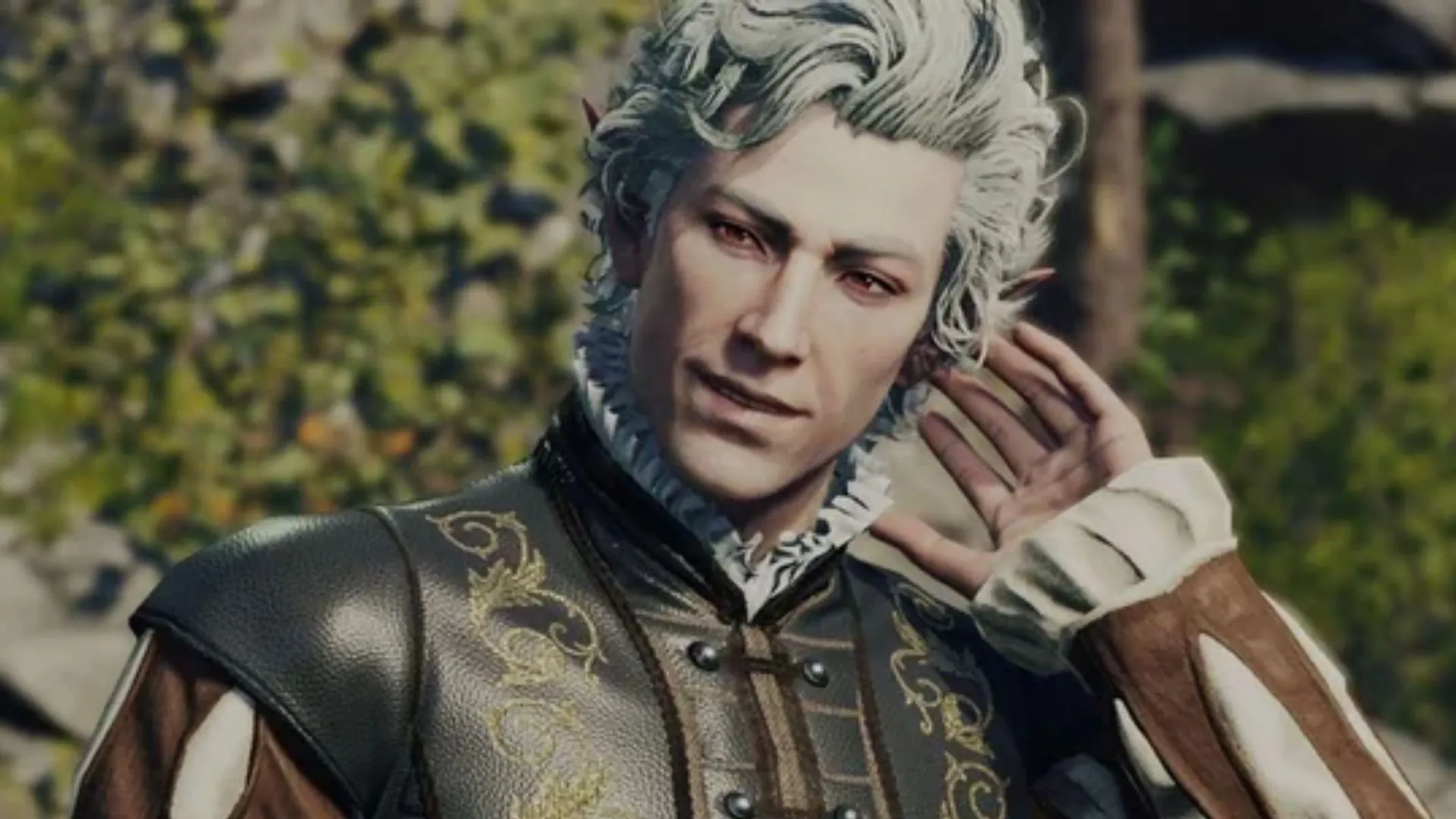
I’ve always thought prequels are a difficult thing to pull off, particularly for a pop culture tie-in novel like this one. It’s tricky to make readers care about the stakes when, in many ways, we know how it ends. In this case, the book’s central conceit must necessarily end in failure for Baldur’s Gate 3 to make any sense. And yet, it’s a sign of masterful writing to make us care anyway. It’s about the how, not the what, and in this case, we see more of what made Astarion into the person we meet at the start of Larian’s iconic RPG.
The story is told through two interwoven timelines: Astarion’s human life and how it came to its untimely end, and his existence as one of Cazador’s vampire spawn “children.” In this way, Kingfisher is able to give us Astarion’s past from multiple angles. We see the boy he was before he was turned, and what led him to pursue luxury and law long before his first sip of blood. Though we skip out on the earliest days, we also see what Astarion’s daily life as a spawn forced to serve Cazador really looked like. This adds layers to the hints and stories we got in Baldur’s Gate 3, and it’s both captivating and horrifying to sink into the abuse and torture alongside the Pale Elf.
Throughout it all, Kingfisher paints Astarion exactly as we know and love him. Though we see his somewhat more innocent youth, we also see that wit, humor, and flirtatiousness that charmed so many gamers. Getting to step more closely into his mind helps us see him more clearly, even as he tries to fool himself about his own motivations at times. Despite the darkness and hopelessness of so much of our story, Kingfisher manages to find light and humor and even the smallest glimmer of hope within the story. It’s a master class in fantasy writing, while also remaining true to the world we already know and love.
Kingfisher’s Love of Dungeons & Dragons and Baldur’s Gate 3 Shines Through on Every Page
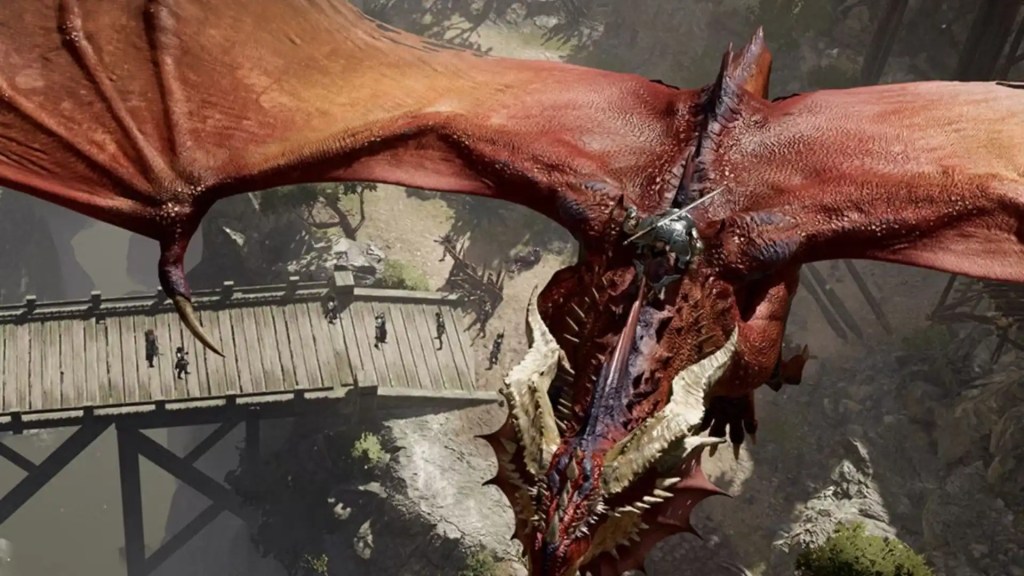
Every novel set in the world of Dungeons & Dragons has a difficult task ahead of it. How do you render the rules of a TTRPG legible in a living, breathing fantasy world? In Kingfisher’s case, she had another challenge: staying true to both the TTRPG and the video game. As a fan of both, and a particular Astarion fangirl as well, I think she nailed it. We see feats like Spider Climb and spells like Polymorph in action, as a natural part of the world. Classes like Druids, Rogues, and Barbarians are represented as well, with both humor and attention to detail that bring them to life without breaking the lore. You can tell that Kingfisher didn’t just set out to write a fantasy novel about a well-known character; she set out to capture the essence of both Astarion and the world of Baldur’s Gate.
The story itself has just about everything you could want: morally complicated characters, magic, romance, and an impossible task that requires recruiting a team of adventurers to see through. It manages to set reasonable stakes despite the impossible odds and flesh out Astarion’s backstory, leading neatly into the events of Baldur’s Gate 3. I did feel a few details felt a bit last-minute and not fully explored, but by and large, it’s a well-crafted and compelling story from start to finish.
Final Score: 9.5/10
Baldur’s Gate 3: Astarion feels very much like a great fantasy story and a great D&D story, steeped in just plain good writing. I enjoyed every minute of it, even as I knew that Astarion was doomed not to make his escape from Cazador just yet. If you enjoyed Baldur’s Gate 3, love a good vampire story, or even just want a good fantasy read, I can’t recommend Astarion highly enough.
Still here? Good.
That means the article did its job! If you’d like to see more of them (and get first crack at what’s next) our Patreon’s the place.
About the Author

Discover more from Bonus Action
Subscribe to get the latest posts sent to your email.