Photo by Amanda Kay Oaks
Ever scroll through Instagram and go green with envy at the generous stack of #bookmail shared by a bookish influencer? Or see someone reading that book you’re looking forward to early? It’s time to figure out how to get ARCs for your own collection.
While the “stacks of physical books” level is pretty tough to achieve these days, there are many ways for readers to get advanced review copies of books. Commonly known as ARCs, these copies are often provided to readers for free, in exchange for a review. As a semi-professional book nerd, I’ve tested out all kinds of sites and methods for getting ahold of ARCs and am here to pass that wisdom on to you.
What is an ARC?
ARC stands for “advanced reader copy” or “advanced review copy” depending on where you look. This is a term used in the publishing industry to refer to review copies of books. These are distributed before a book comes out, intending to get blurbs and reviews to help market the final product.
ARCs are usually unfinished copies and may have slightly more typos and other errors. Digital versions are most common today, though publishers do still print and send out physical ARCs as well. If you do receive a physical ARC, it will often have a marker, such as a printed sticker, that shows it is an unfinished copy.

Publishers often send ARCs to folks who work in book-focused media, but there are plenty of opportunities for casual readers, book bloggers, and Bookstagrammers to get them, too.
If you request an ARC, you should do your best to read and review that book. After all, you received a free copy with that expectation! However, sometimes a book isn’t what you expected or doesn’t fit into your schedule. Occasionally missing a review on an ARC is part of the process, so don’t beat yourself up about it.
Websites For Digital ARCs
The most common way book bloggers and Bookstagrammers get ahold of their ARCs is through websites like NetGalley. These sites are designed to connect ARCs with potential reviewers. It is a database of books looking for early readers!
Here are the review copy websites I’ve tried and how they work.
NetGalley

Best For: Traditionally Published Books
Of all the sites where book bloggers get ARCs, NetGalley is the most popular. And for good reason! The site is easy to browse and use, and they have a large catalog of digital ARCs available at any given time.
To read review copies on NetGalley, you’ll need to create a free account and profile. When setting up your account, make sure to provide quality info on where you’ll publish your reviews. The more audience info you provide, the more likely publishers will approve your requests.
Once your account is set up, you can browse the site and click that “request” button on any books that interest you. Keep in mind that publishers choose whether to approve or decline your request, so just because a book is on NetGalley doesn’t mean you’ll get to read it.
There will always be some books listed as “Read Now” which means that anyone can request them and get access to them instantly. Try browsing this category if you’re new to NetGalley and looking to build up your account.
Edelweiss
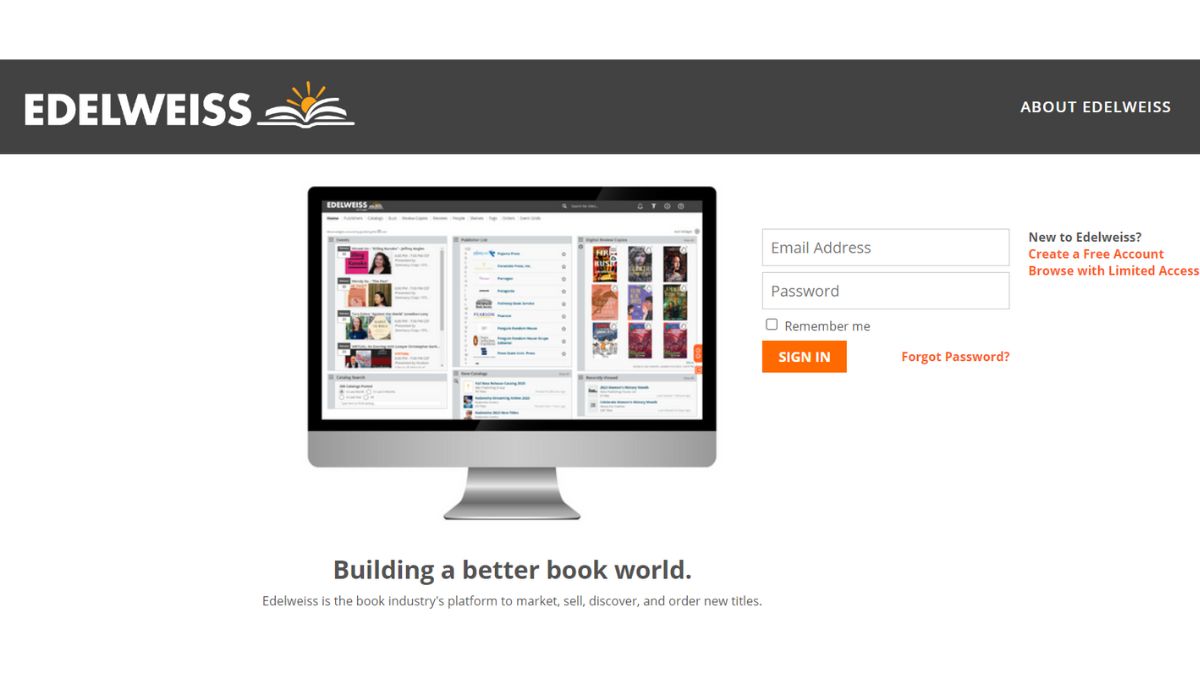
Best For: Browsing New Release Catalogs
Edelweiss is geared more towards industry professionals like librarians and booksellers, but you can create a reader account for free.
Edelweiss offers digital ARCs much like NetGalley, but their platform is a bit less user-friendly. However, because they’re designed for publishers to communicate with booksellers, Edelweiss has plenty of new release catalogs you can browse – even if there’s not a review copy available yet.
This can be a good source for ARCs that aren’t on NetGalley, but I like to use it to browse for upcoming releases to add to my list of books to look out for.
Book Sirens

Best For: Indie Books
If you enjoy reading indie books and want to help authors succeed by promoting their titles, Book Sirens is a great resource! Their catalog of ARCs features indie titles, and the more you participate in review campaigns, the more opportunities you’ll have to view other books.
Book Sirens helps connect indie authors with reviewers to become part of their “ARC Team.” Once you create a free account as a reviewer, you’ll want to fill in your profile with information on where you share your reviews. Then, you can start browsing the catalog of available titles.
You can sort through various genres on Book Sirens, and as you request and review ARCs, you’ll get tailored recommendations for books that might be a good fit for you.
Other Ways to Get ARCs
ARC databases are the easiest way to get ahold of advanced review copies, but there are other methods reviewers use. Here are the ones I’ve seen and used.
Book Tours
Many PR companies host “book tours” for upcoming releases. These are teams that support indie authors, though you may find some traditionally published books that host book tours as well.
Companies like Love Book Tours and others let you sign up to receive an email when they’re looking for readers to participate in a book tour. You’ll sign up for a date, receive the book, and be expected to read & review in time to share your review on that date.
This is a little more of a commitment than casually requesting an ARC, and you should only sign up for book tours if you know you’ll be able to read and review that title.
Influencer Programs
These days, many publishers try to cash in on the BookTok game through influencer programs. These programs invite people with a social media presence to sign up and receive review copies of books from that publisher at regular intervals.
Some of these programs, like the Berkley Influencer Program, are notoriously difficult to get into, as they like to see a massive following on sites like TikTok and Instagram. Others, however, are more niche and center on a particular genre or type of book, such as the RP Mystic Coven (full disclosure: I’m a member).
If you tend to read a lot of books from the same imprint, it’s worth checking if they have an influencer program you can apply for. The expectation with these is that you share some social media content about the books you receive, often including reviews.
Direct Publisher Outreach
This is a bit old school now that there are so many ways readers can connect with ARCs, but you can still shoot your shot! If there’s a book you really would love to read early, you can try emailing the publisher directly to ask for an ARC.
If you go this route, you need to give them an elevator pitch for why you should get a free book. Sharing info like where you post your reviews & links to your blog and socials is a good rule of thumb whenever you request ARCs.
Giveaways
If you follow your favorite authors and books on sites like Goodreads and Twitter, you’ll notice that they sometimes promote giveaways! While these often happen after a book has been released, there are plenty of pre-release ARC and early copies as well.
Keep your eye out and you just might be able to enter a giveaway to read a copy of that exciting new book early – and for free!
About the Author

Discover more from Bonus Action
Subscribe to get the latest posts sent to your email.