As a Danganronpa fan, I go into every new mystery visual novel hoping it’ll scratch the same itch. Shuten Order comes close, especially in its presentation and character design, but it also holds back what makes it great for far too long.
The result is a game with a killer finale and some striking highs, but one that spends way too much of its runtime wandering through experiments that just are not as fleshed out as they should be.
Still, by the time credits rolled, I was glad I stuck it out. The final twist, the kind that reconfigures everything you thought you knew, is exactly the kind of payoff I want from this studio.
Key Details
- Release Date: September 5, 2025
- Platforms: PC (Steam) and Nintendo Switch
- Price: US$49.99
- Developer: Neilo Inc
- Publisher: Spike Chunksoft
- Review Copy Provided: Yes
A Cult, a Murder, and Five Games at Once
The setup is wild, but I’m sure you expected that from Kazutaka Kodaka.
You play as Rei Shimobe, the resurrected Founder of the Shuten Order. A cult leader, basically.
To return fully, Rei’s angels reveal, the killer must be identified, a confession must be forced, and the execution must be carried out.
The suspects are five Ministers, each controlling a different ministry, and each one takes you down a completely different type of game.
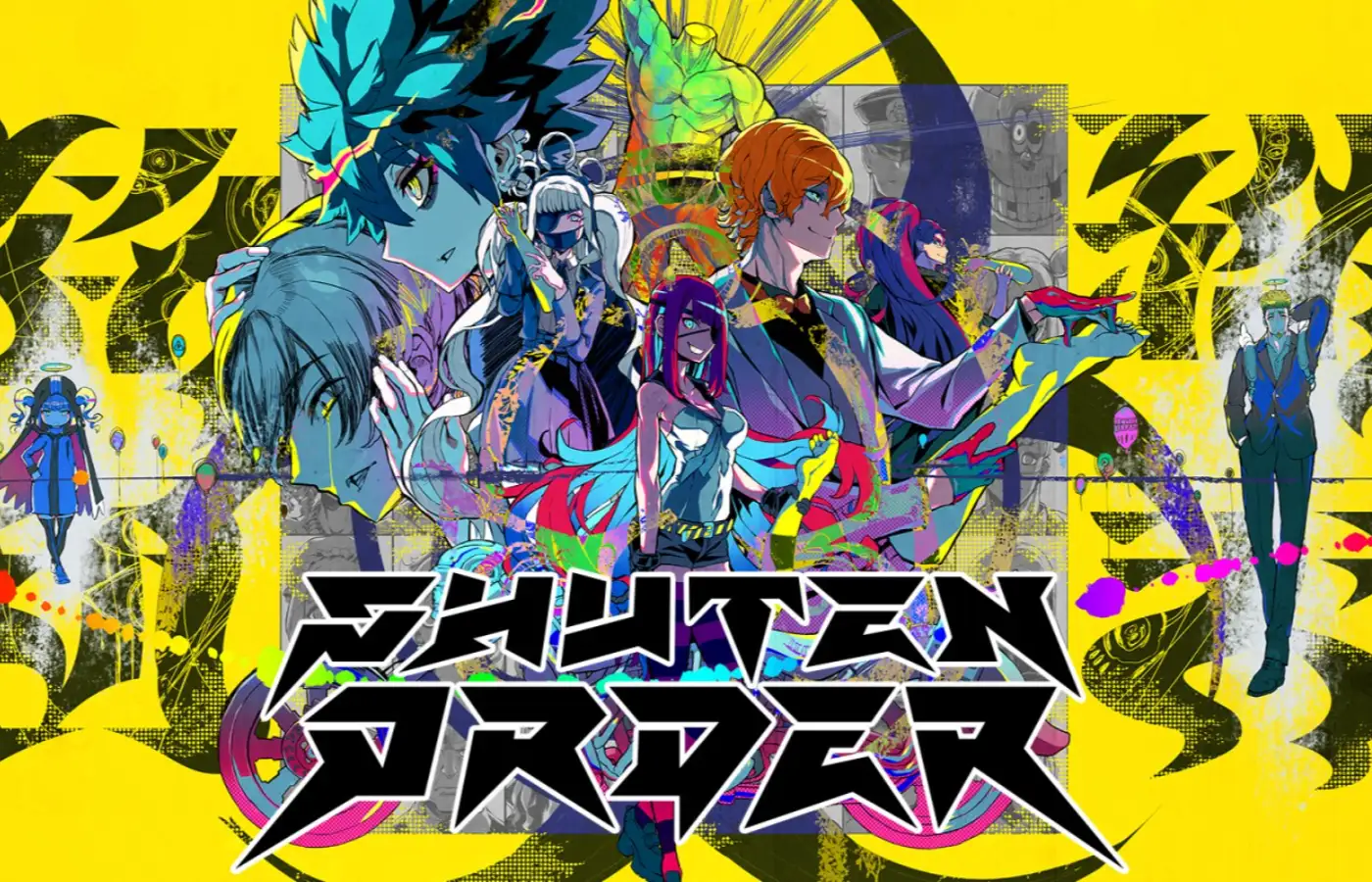
And at this point, I’d just like you to take a look and acknowledge how freaking cool these guys look.
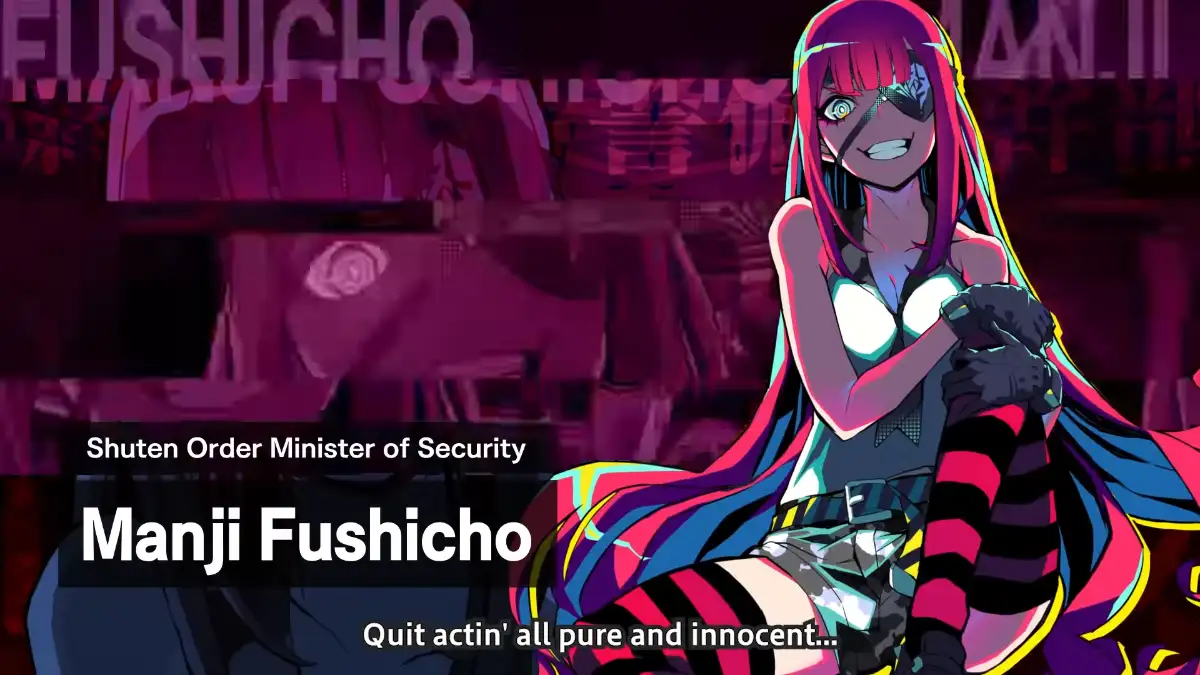
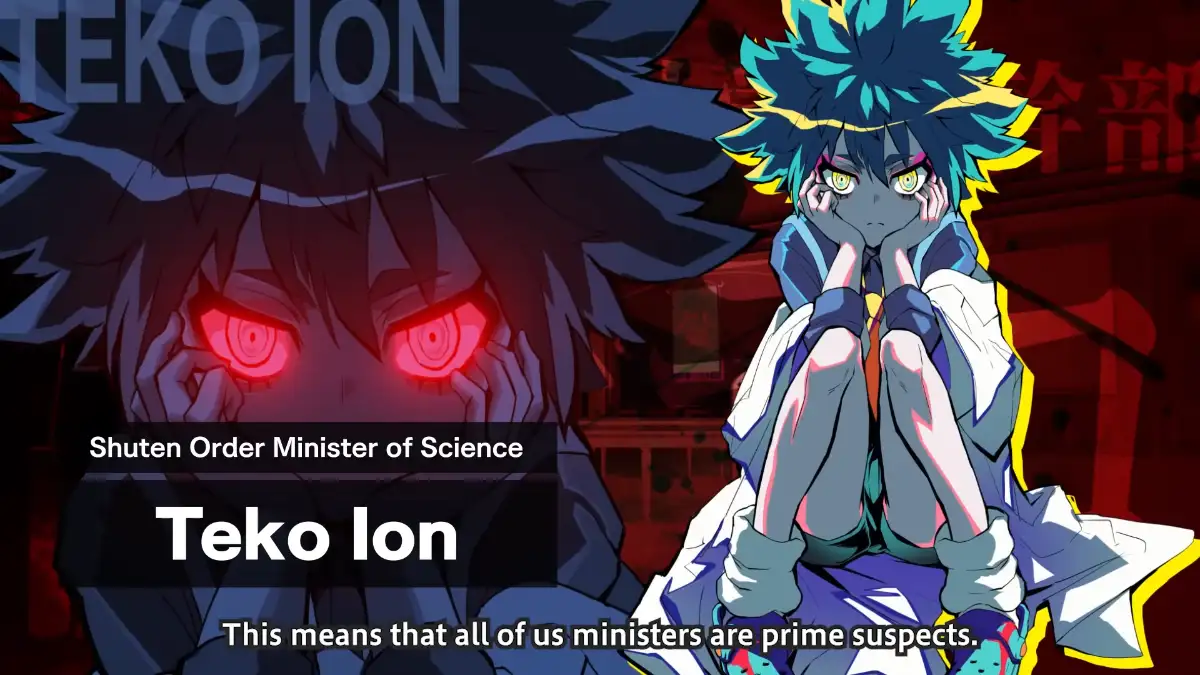
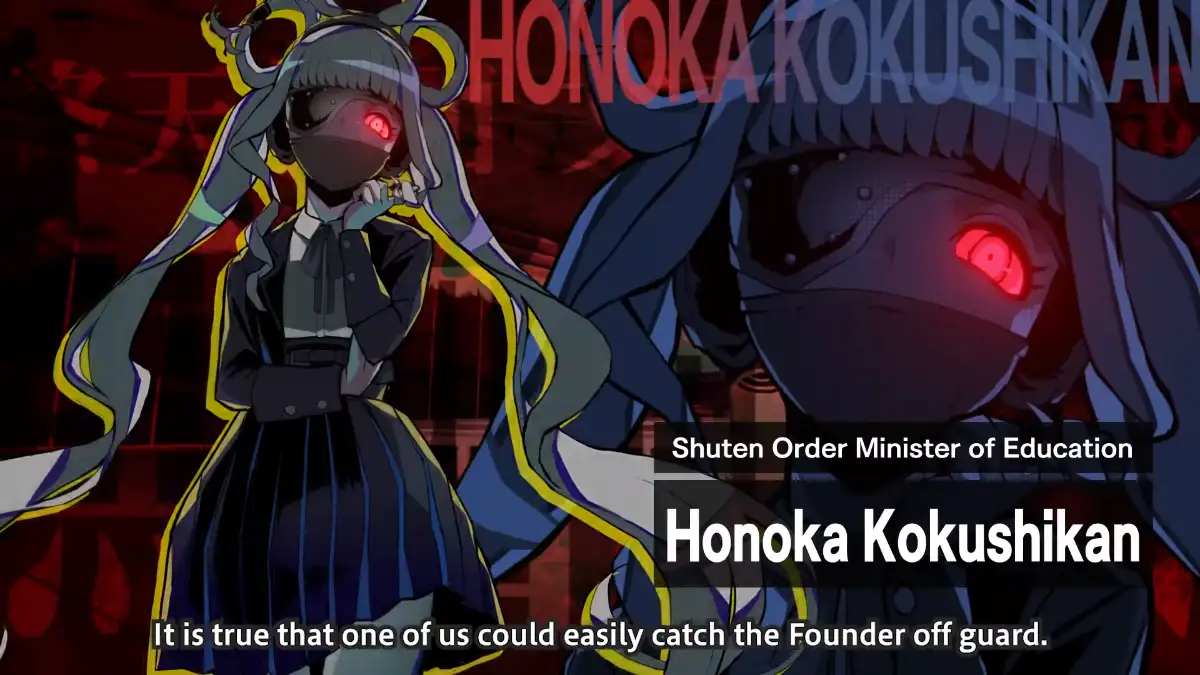

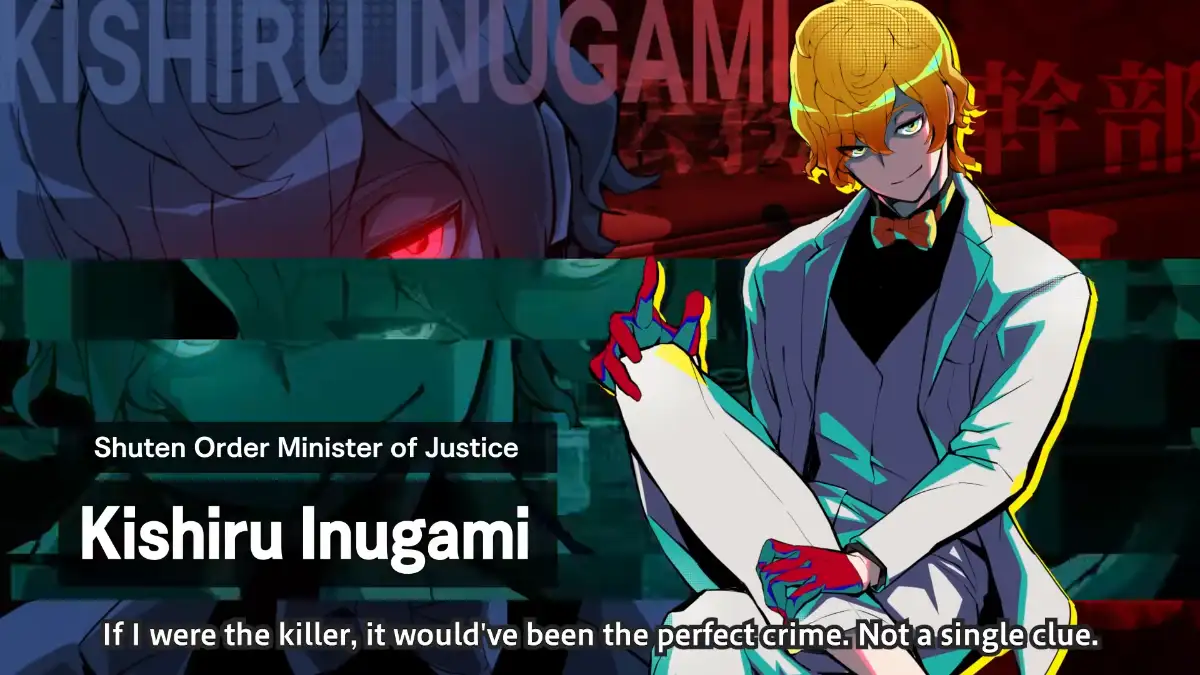
In any case, that’s the hook: five genres wrapped inside one mystery. Detective game, escape room puzzles, romance sim, lore-heavy visual novel, and even stealth.
On paper, it is a bold way to deliver a story. In practice, only one of them really lands, exactly the one you would expect from this company’s history.
A Bold Idea That Mostly Falls Flat
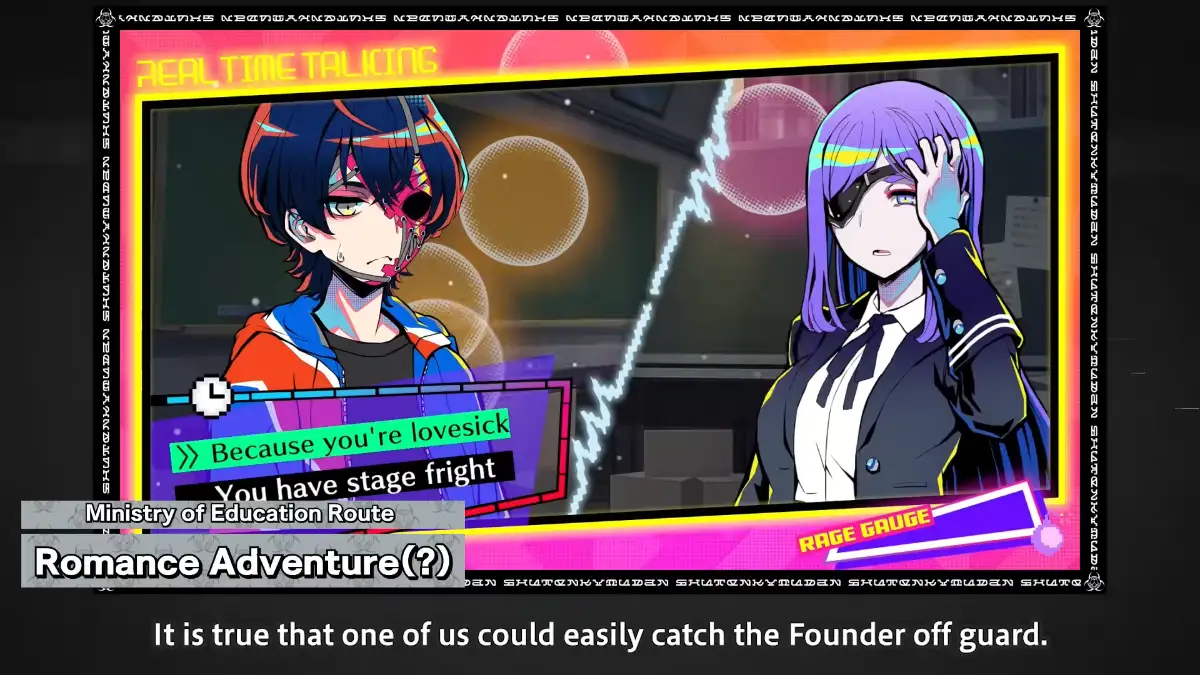
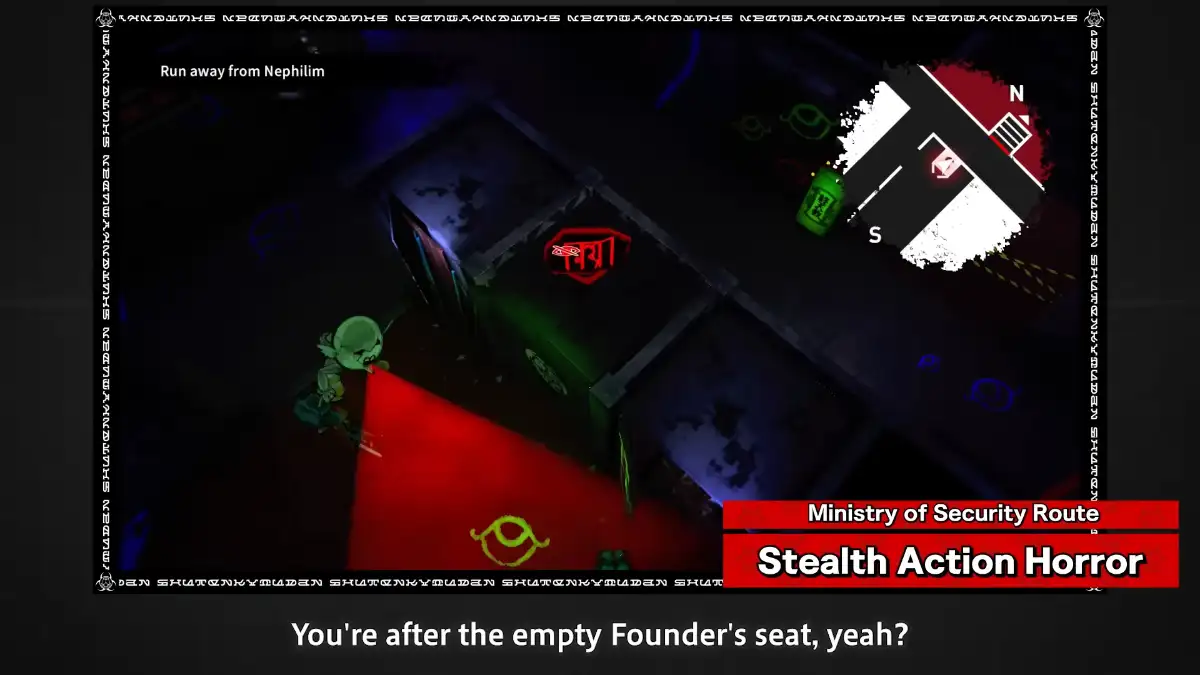
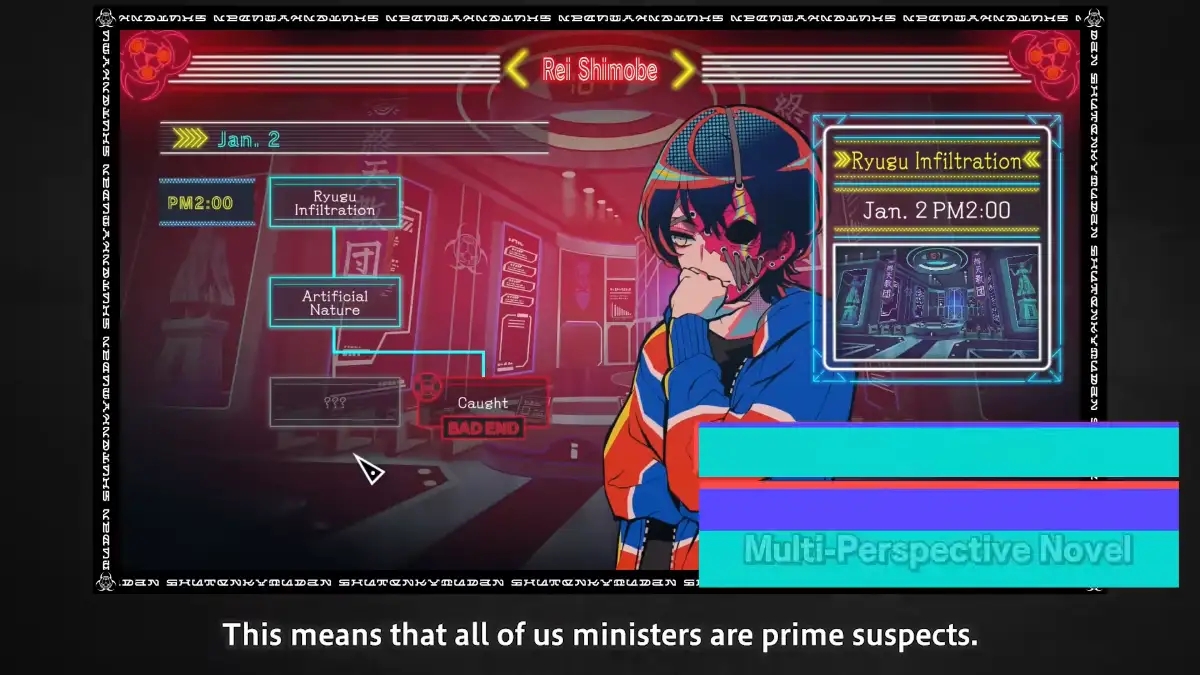


The investigation route is the one that works. It leans into the Danganronpa DNA, letting you pick apart contradictions, chase leads, and feel like you’re actually solving something.
The dating sim route, on the other hand, feels more like an afterthought. Building affection meters and choosing dialogue options never develops into anything more than watching a side experiment play out.
The escape game is a bit more fun, mostly because this studio can clearly pull off a murder game, and that’s what this one is about.
But the puzzles in the escape room itself amount to connecting dots and sliding Tetris-style blocks. They are too simple, too familiar, and never push you to think in new ways.
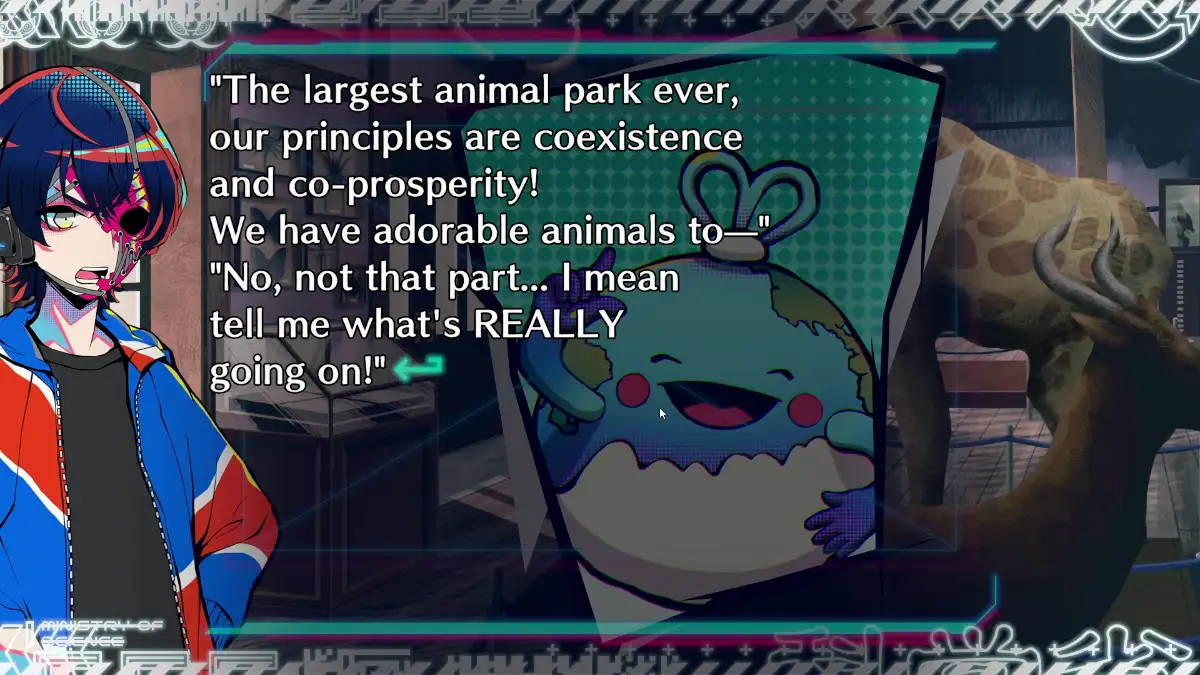
The Teko Ion route is the weakest. It’s meant to mimic a David Cage game like Detroit Become Human, but instead of meaningful choice it just shifts bubble text into a wall of text at the center of the screen.
Routes funnel into Bad or Closed Endings, which bounce you back to a character selection screen, hand you a clue, and drop you into the right branch.
There is no real gameplay, no interactivity. The lore here is valuable, but it is constantly broken up by clunky UI and forced mechanics. It really is a shame, given how important this section is to the worldbuilding.
I did enjoy the stealth route. And though it did end up being too forgiving in the second half, I did find it nerve-wracking and entertaining.
The Main Case Takes a Back Seat
What makes it tough is that the game dangles its best moments and then yanks them away. The ministry scene, early on, is peak Shuten Order.

It’s tense, theatrical, exactly what you want. But instead of building on that energy, the game buries you in 25 to 30 more hours of side content before letting you get back to the main mystery.
I found it infuriating that only two of the five routes actually take you to the crime scene, or even somewhere that feels connected to the main story, while you are playing through them.
It drip-feeds you hints about the murder, but most routes feel like detours, stuffed with lore and side characters who vanish as quickly as they arrive.
The structure creates another issue. After finishing a route, you loop back to the start, keeping your knowledge but watching Rei act like it’s all new.
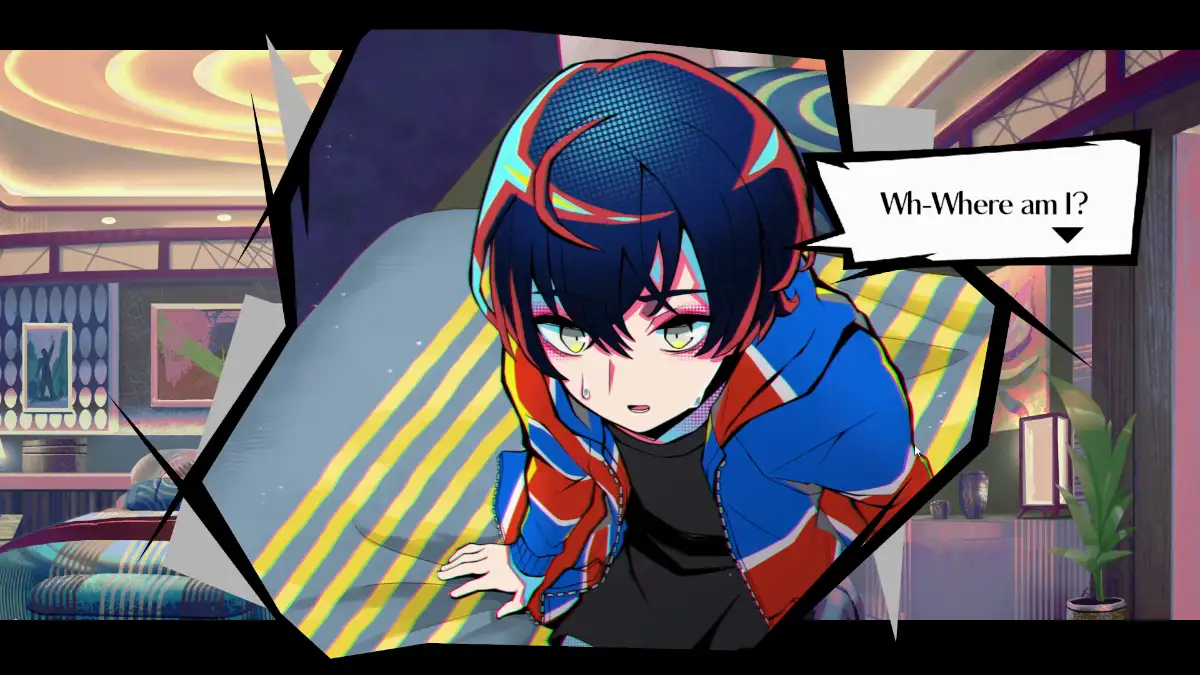
Seeing Rei gasp, “they’re dead?!” after the same revelation was processed hours earlier makes the story lose weight.
Instead of pulling the player deeper in, this creates a disconnect. Add to that the heavy repetition in dialogue, where characters rehash the same points again and again, and it starts to feel like the game expects skimming until the next real clue shows up.
The way Shuten Order drops hints is fantastic, though. The music cuts out, voices go deadpan, and suddenly someone blurts out the wildest line you could imagine. You just sit there rewiring your brain, realizing, “Oh, so that’s why this happened.” Those moments land perfectly.
Presentation and Music
What kept me going was the presentation. The characters are striking, with sharp silhouettes, bold colors, and designs that pop in every scene.
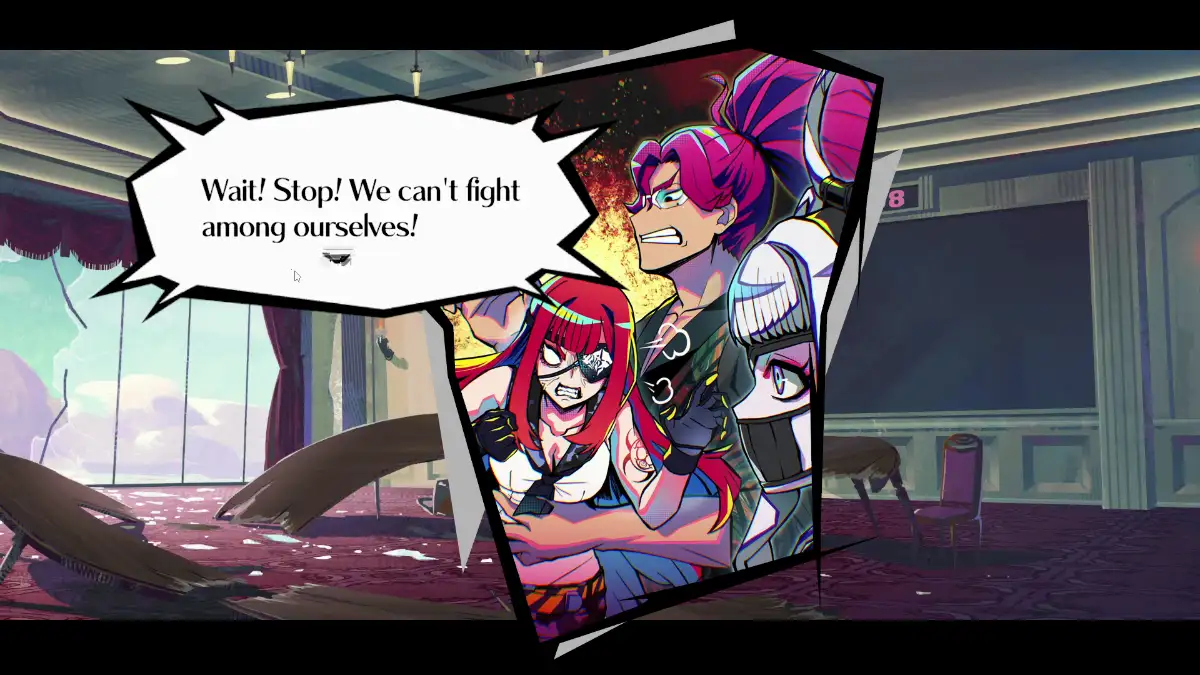
The way the game frames them, with neon accents, comic-book panels, and dramatic cut-ins, makes even static dialogue feel alive.
Sure, some art is reused in the wrong places, and it sticks out, but the overall look is strong.
The music also deserves credit. When the story ramps up, the soundtrack is punchy and dramatic. When you’re stuck reading lore dumps or dialogue loops, it slides into elevator-style background noise that keeps your focus on the text without being annoying.
It knows when to step forward and when to step back, and that balance helps keep the pace bearable.
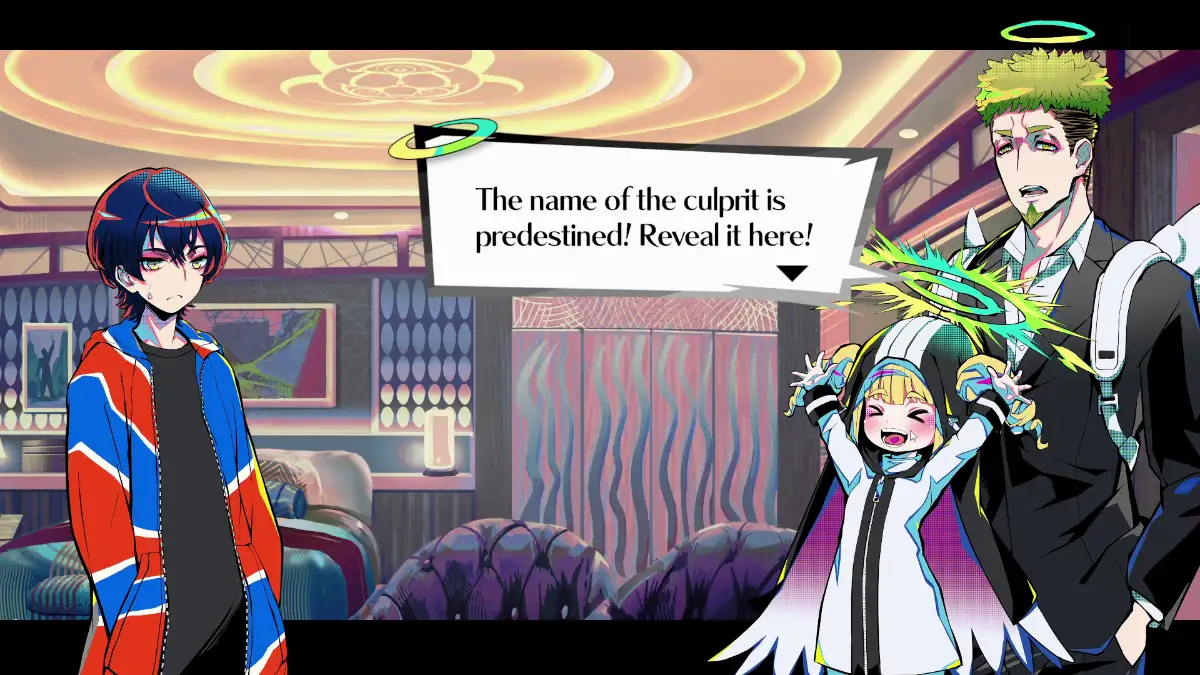
Where the presentation stumbles is in the localization. You can hear in the Japanese voices that there is timing, rhythm, and humor in the original script.
The English text often flattens that out. Jokes lose bite, reactions feel off, and the pacing of conversations does not always click.
It’s been a recurring problem with this studio, and it hurts a story that relies so much on tension and dialogue.
The Ending
I wouldn’t dare spoil this game for you, so I’ll be as vague as possible.
Eventually, everything narrows down to an antagonist, and the game hands you a choice. In theory, it is dramatic, but by then the writing has made the antagonist so unlikable that the decision is almost made for you. I would bet most players will pick the same side, unless they’re curious to see what happens otherwise.
Still, the finale sticks the landing. Both of them do (yes, I touched the stove), which is a rare trick to pull off.
The twist is not the kind you can predict perfectly, even if you think you’ve solved it. The game surprises you with the details of how it all went down, and that makes the resolution feel earned.
It’s the kind of ending that makes you replay earlier scenes in your head, rethinking them in light of what you now know. That is what I always want from this team, and Shuten Order delivers it.
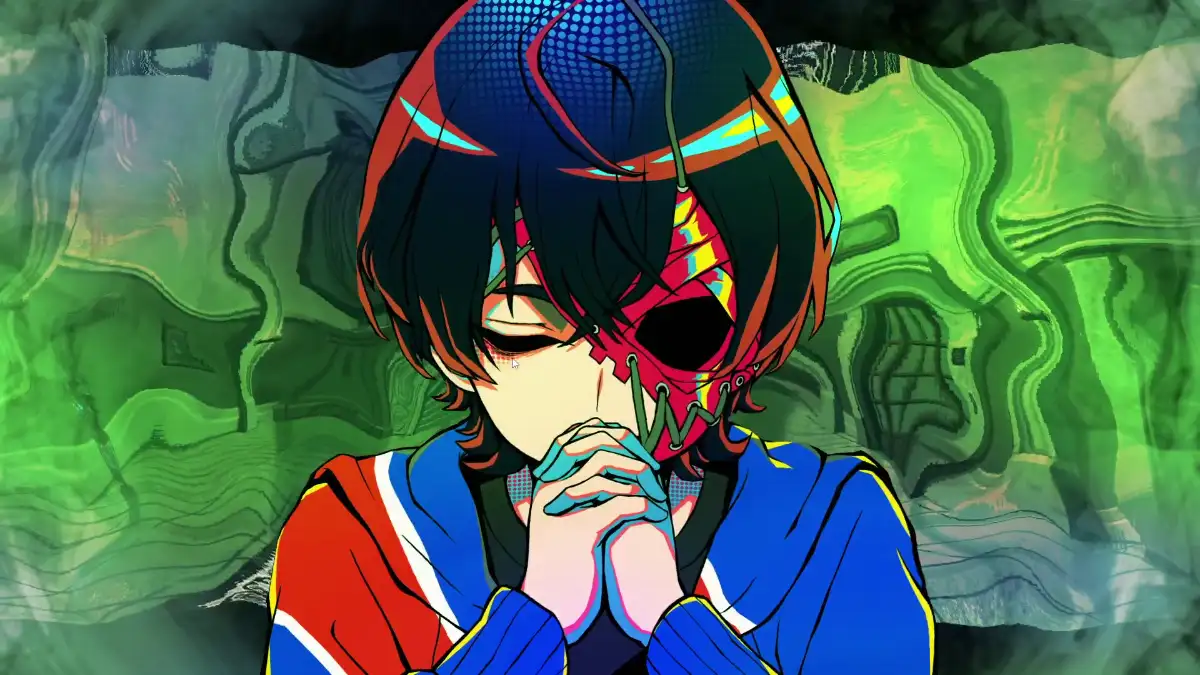
Final Score: 7/10
Shuten Order is ambitious, messy, and sometimes frustrating, but it is also stylish, surprising, and satisfying at the end.
It spends too long on side experiments, introduces more characters than it knows what to do with, and stumbles over localization. But when it is good, it is very good, and the mystery at its heart is worth solving.
For Danganronpa fans like me, it is not the full successor I crave, but it is close enough to be worth the trip. Just be ready to push through the weaker stretches to get to the parts that remind you why you fell in love with these games in the first place.
**Bonus Action was provided with a PC Steam code of Shuten Order for the purpose of this review**
About the Author

Discover more from Bonus Action
Subscribe to get the latest posts sent to your email.