I can’t stop playing dice in Kingdom Come: Deliverance 2. It’s become a real problem; a man named Peter literally died because I was too busy playing dice at a local tavern to treat his illness. I had promised his wife that I would do what I could, and then I just didn’t. Instead, I won 110 groschen and a badge. I regret it less than I should. It’s a good badge.
Me getting enamored with KCD2’s dice game systems surprised me, because at first I wrote it off as something I would never actively seek out. Unlike most people, I hated Gwent in The Witcher 3, and in general I’m a hard sell on those “extra” games developers like to shove into larger experiences. See also: Caravan from Fallout: New Vegas, Queen’s Blood from FF7 Rebirth, and that card game was RAGE tried to make happen. Remember the RAGE games? What a waste of id’s time.
Even a recent game I really loved and recently reviewed here in a previous issue of Ludology Now!, Cryptmaster, had an entirely separate card game that I attempted exactly once and then never touched again. Why is the concept of games within games so prevalent, and why do I only enjoy a small fraction of them? To figure this out, I needed to look at the games within games that I actually cared about over the years. Let’s discuss.
Real Video Games Within Real Games, or the Yakuza Method
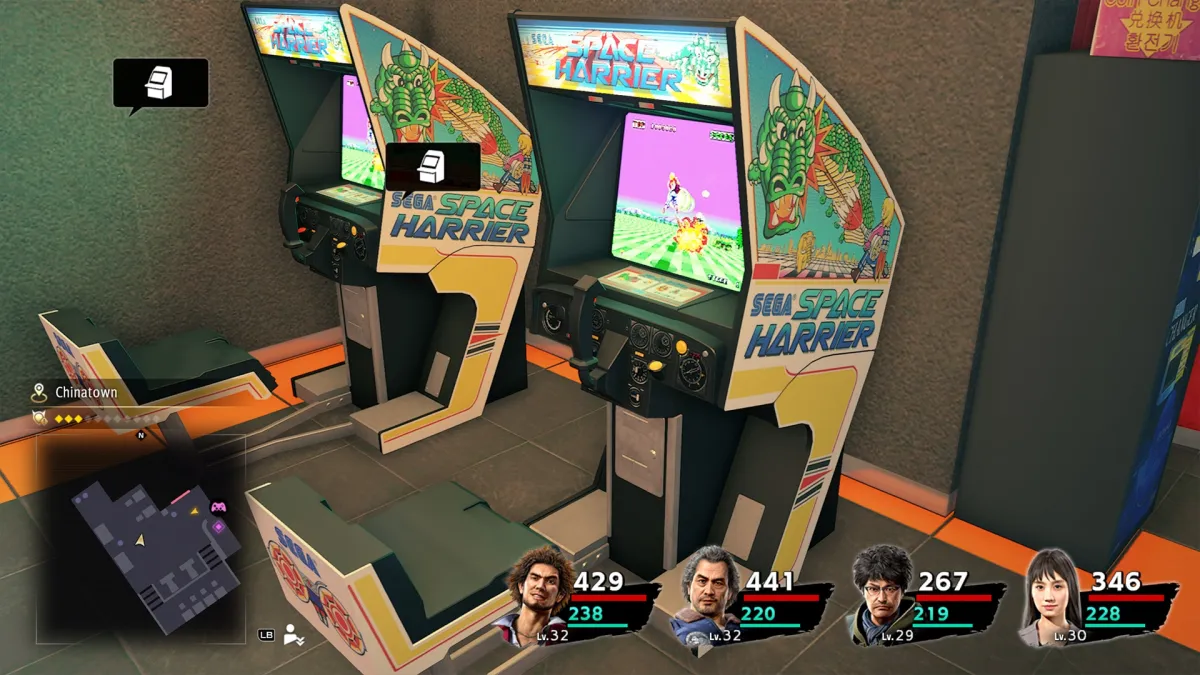
One of the most entertaining things about playing a new Yakuza (Like a Dragon now, I guess) game is finding out what old SEGA and Atlus titles are going to be available at the arcade. Sure, there are reputations to make and people to help, but we could all use a ten minute break for Space Harrier, right? Digging into a developer’s own back catalog is a great way to provide extra value for a new product – nothing takes the sting off a $70 video game purchase better than finding out you ALSO get a whole other game to play.
RGG and SEGA are far from the only company that does this, nor were they the first. The first example I can remember is in Day of the Tentacle, which included a fully playable version of Maniac Mansion. This blew my mind as a kid. More recently, Naughty Dog did something similar with Uncharted 4 and Crash Bandicoot, while DOOM Eternal included unlockable, playable versions of both Doom and Doom II. This is fantastic and I have no issue with this as a concept. For the longest time, Homefront: The Revolution was the only way to play TimeSplitters 2, after all.
Fake Games Within Real Video Games, or Most Everything Else
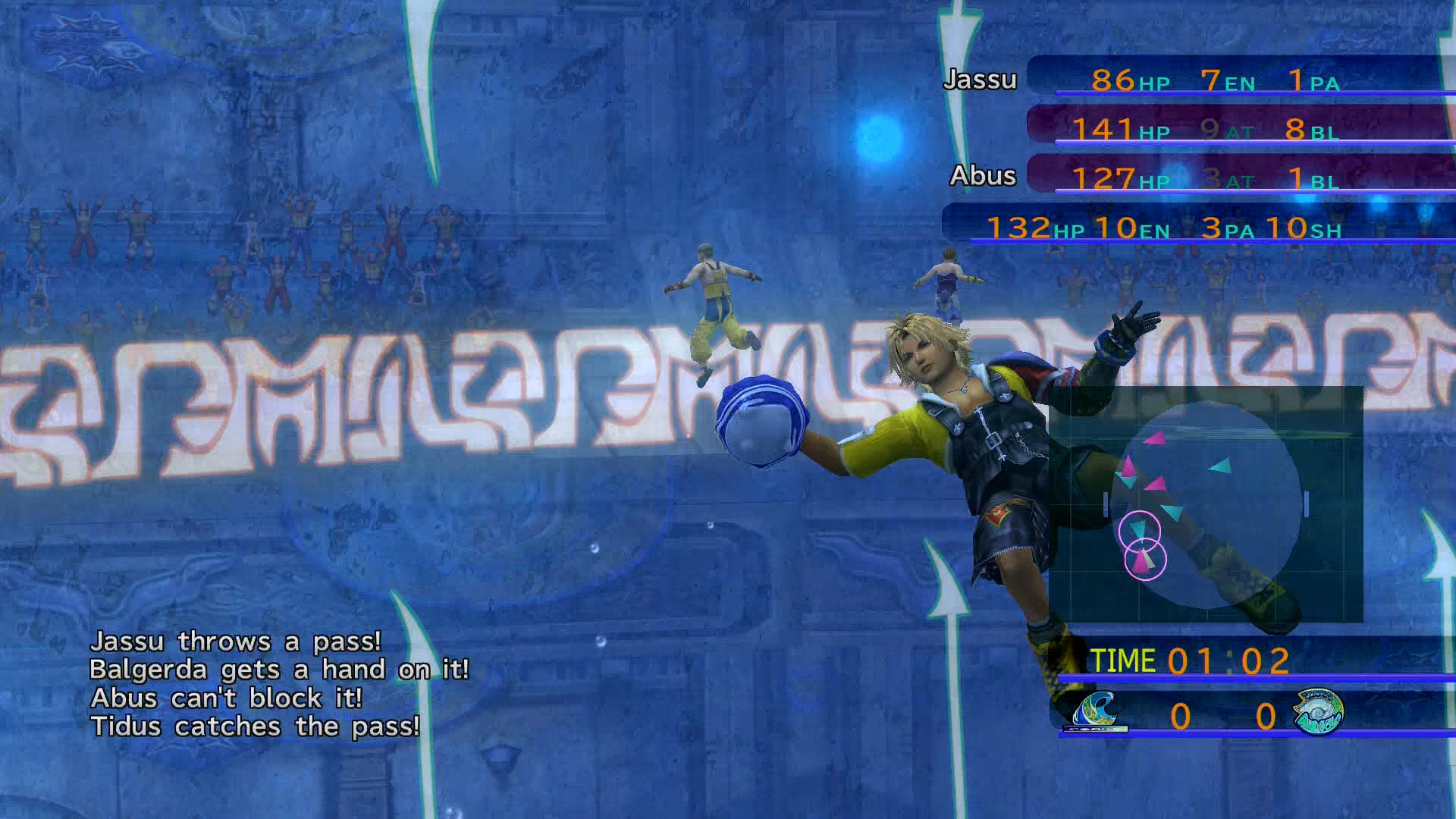
This is the Gwent category, but we’re not discussing Gwent yet. Instead, I would prefer if you think of it as the Blitzball category. Blitzball is the fictional swimming + soccer combo from Final Fantasy X, and I love it so much. You can recruit all sorts of NPCs across Spira to your Blitzball team over the course of the game, and all of them have their own skills, weaknesses, and special moves. It’s incredibly in-depth and something that you can hop into at any of the game’s save points.
I also enjoyed the little Pip-Boy games you could find in Fallout 4, for what they were, but when I think about games within games as it relates to Fallout all I can think about is gambling in New Vegas, and the gambling discussion won’t happen for another few paragraphs. All New Vegas can contribute here is Caravan, and, with apologies to Josh Sawyer, Caravan sucks. I’d rather play Astro Chicken in Space Quest 3.
We should be clear here that I’m trying not to talk about minigames that are related to the overall story of the game. Stuff like the recruitment and mission minigame in Assassin’s Creed Ezio 3 or the ship management in Black Flag, the gang warfare and flight school missions in San Andreas, all of that doesn’t really count because it’s just repurposing regular gameplay and is necessary for the story. We’re talking only tangential, only unrelated content, which puts Blitzball in kind of a gray area, since you do have to play a little bit to progress. I still love it.
Real Games Within Games That You Wouldn’t Play Otherwise

I’ve spent more hours throwing dice in video games than I ever have in real life. Part of that is preference; loud noises irritate me and cards are quieter. Still, after the original Red Dead Redemption came out my friends and I would sit around and play Liar’s Dice for hours on end – we would have likely done so at camp when we were kids, if we had known such a game existed. Playing Liar’s Dice fell out of fashion rather quickly in real life, but I can always boot up RDR or RDR2 when the mood strikes.
Even discounting the dice game in KCD2, I’ve spent more time playing things like dominoes and mahjong in video games than I have in real life. This is especially true for games developed by non-American teams that include local board, card, and dice games I’d never even seen before. Honestly, this is the best part of the Shenmue series for me, and why I played more Like a Dragon: Ishin! than any other Yakuza game.
A Brief Aside on Gambling in Video Games

I can’t say the same for poker – I’ve played a lot of poker – but that doesn’t mean I haven’t played my share of it in video games. Far from it. From gambling at the Four Dragons Casino in Grand Theft Auto: San Andreas to playing Blackjack in Armadillo in Red Dead Redemption, if a game has a poker mechanic I will play it and I will enjoy it.
Gambling in real life is exciting and dangerous because you are playing, most of the time, with real money. Losing that money matters, just as much if not more than winning more money. You can’t replicate that feeling with fake money or points or tokens – many businesses have tried.
However, gambling in a video game hides in this little shadow of your mind, where the money is fake enough that you don’t mind being risky with it, but not so unimportant that you don’t care if you lose it. Money, in most video games, is important. This is why gambling in video games can be almost as fun as gambling in real life, but with the ability to save scum if you don’t like the outcome. Who hasn’t left a casino wishing such a feature existed?
Note: We're talking about gambling with in-game money here, not real money or gacha games or battle passes or any of that nonsense.Cheating At Dice In Kingdom Come: Deliverance 2

I love all the little different kinds of loaded dice in KCD2‘s dice game. I’ve completely put the main story on the back burner now that I’ve reached Kuttenberg. For now, my Henry is both a working blacksmith, an occasional arena fighter, and an avid dice player. When people sit down across from my Odd and Pi dice and gold wedding badge, they never leave the table with their money.
Anyone interested in min/maxxing their dice game in Kingdom Come Deliverance 2 should check out this dice roll percentage table on the KCD2 FextraLife wiki.
I bought a horse and gave her brand-new armor with my winnings. I own beds at nearly every inn in every village with a dice table. When there are no players available, my Henry is an learned scholar, and can often be found sitting nearby a dice table with his nose buried in a skill book, looking up every few hours to see if someone wants to roll bones. I’ve increased all my skills in a perfectly diegetic way and all I’ve done is played the game the way I wanted to. It’s lovely stuff.
Why Gwent Sucks and KCD2’s Dice Game Is Better
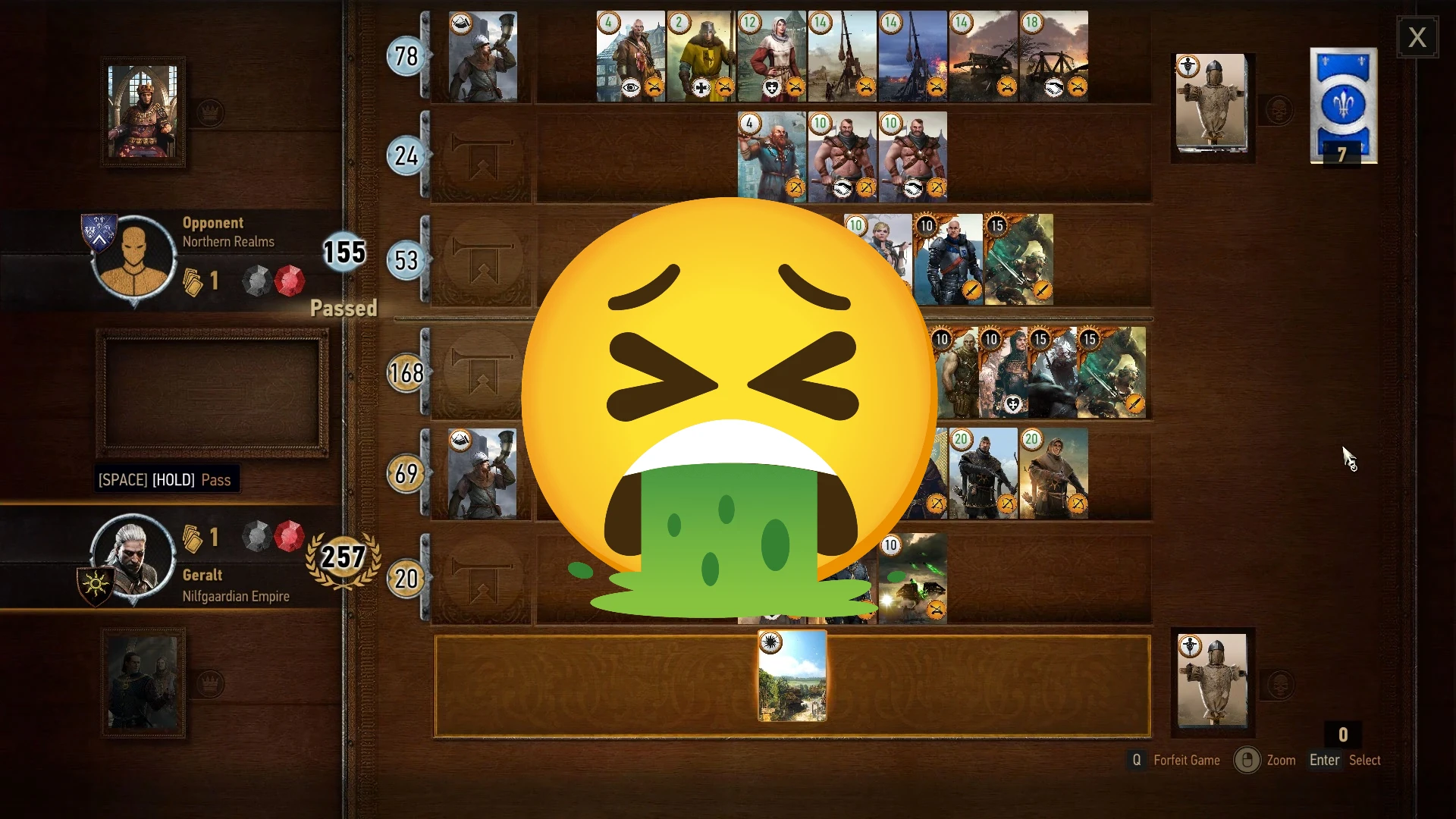
Games within games work best when it feels like something the character would actually do, like Tidus with his Blitzball team or John Marston at the poker table. Do I think Kazuma Kiryu wants to stop and play Virtua Fighter for thirty minutes? Yes, absolutely he does. That’s why the games in Yakuza work so well. I love dice in Kingdom Come: Deliverance 2 and I hate Gwent in The Witcher 3 because Henry would actually play dice in KCD2. He would take a break from the day to gamble a little of the money he made from smithing.
In contrast, Gwent cards have pictures of named plot characters and random NPCs on them. Geralt is carrying multiple pictures of himself. The card game in RAGE did this too. It’s dumb, and it completely takes me out of the experience every time. Do we think everyone in the world of The Witcher is walking around with pictures of Geralt, Albrich, Cerys, and a bunch of local monsters in their pockets? Come off it. If you’re going to make up a fake game for your fake world, at least make it actually fit in your world thematically. Even Caravan got that part right.
THIS WEEK’S RECOMMENDED MEDIA:
- After a long wait, Adventure is Nigh! is back with their first new episode in almost a full year. If you are unfamiliar, Adventure is Nigh! is a D&D actual play/animated show produced by the Second Wind gaming co-op. It’s quite enjoyable and, personally, is the only D&D show I enjoy.
- I talked about RAGE a few times in this issue of Ludology Now!, but please do not go play RAGE, it is not worth your time. If you are interested in learning about why it’s not worth your time, I would suggest checking out Noah Caldwell-Gervais’ RAGE series retrospective on YouTube.
About the Author

Discover more from Bonus Action
Subscribe to get the latest posts sent to your email.