Screenshot by Bonus Action
From the moment I started playing Blades of Fire, I knew it was something special. The kind of game that not only defines the week or month it’s launched in, but one that might sneak under the radar compared to the competing AAA release. I’ll say it right now, this game is better than anything else I’ve played all year, and you should play it too, if you’ve got the cash.
Right after that glowing tease, let me caveat my enthusiasm by gently letting you all know that this game may also just not be for you. That doesn’t mean it’s bad in any way, more that developer MercurySteam had a vision for this game from day one and never forgot what that was. It’s a true masterpiece that I think is worth the work to try to enjoy, even if you don’t usually like the kinds of things it offers.
Blades of Fire is the Perfect Action-Adventure Soulslike Evolution You Didn’t Know You Needed
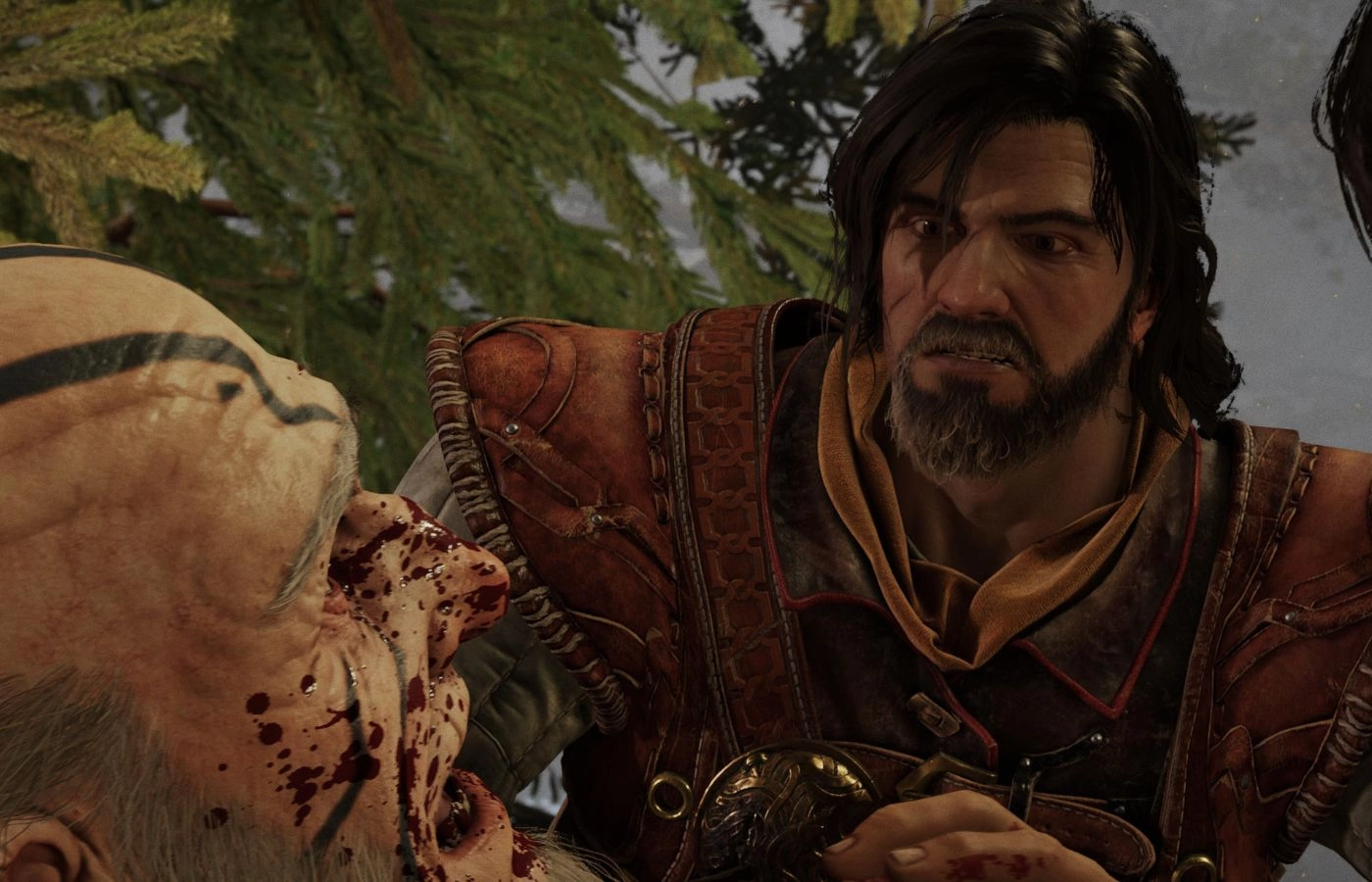
From the word go, Blades of Fire gets it right with its story. You play as a simple blacksmith, Aran de Lira, who quickly teams up with a young scholar named Adso when their mutual friend and Adso’s master is brutally murdered by a soldier under the orders of the evil Queen.
This master happens to have a Forger’s Hammer on him, which he was delivering to Aran. After figuring out that the tool allows him to craft brand-spanking-new steel weapons with which to take out any enemy that gets in his way, Aran resolves to trek to the Queen’s palace and kill her.
The story weaves and shifts from there, which is exactly why I haven’t got a Blades of Fire review for you today. I’m taking my sweet time with it because this game is absolutely massive, but in the best way possible. Just as soon as you think you’re done, it hands you another half of the game to conquer, and it’s impossible to fault that feeling of elation that comes with those reveals.
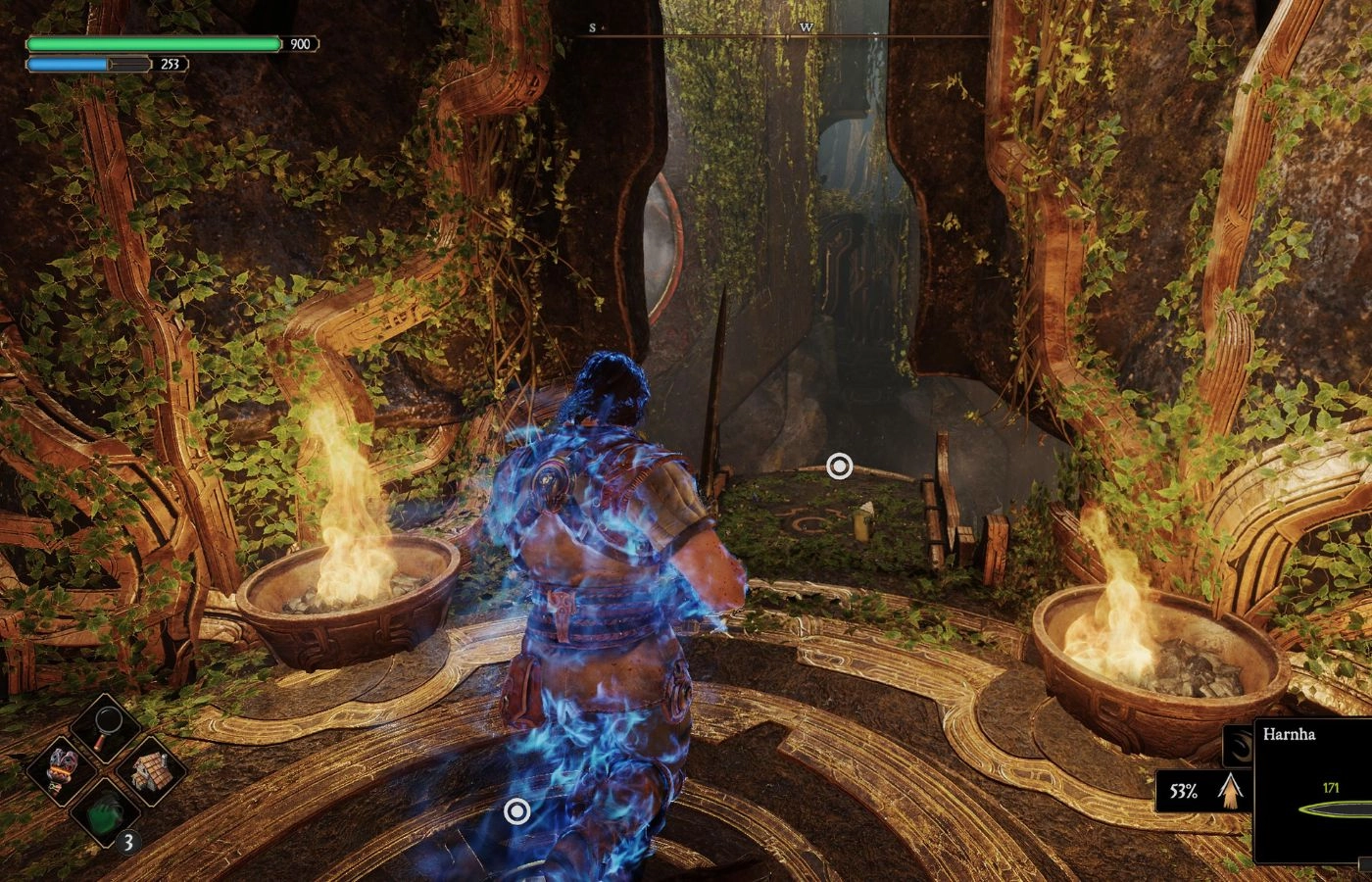
But I digress. A good story with complex characters and a relatively simple world in which to explore them is fine, but what makes this such a good game? Well, it’s the evolution of God of War-style action adventure gameplay with light soulslike and ARPG elements.
The action is narrative-driven, but you’ll be respawning upon death. Instead of hunting down your dropped XP and being punished for flying, you pick up your weapons and continue the fight as you bash through respawned enemies.
What I’ve found is that the game is far less tedious than something like Elden Ring and Dark Souls. Interlinked locations ensure there’s always somewhere to explore if you get stuck, and if a miniboss is too tough, just wait for them to despawn before moving the story on. You can always come back to kill them when you’ve forged a better weapon later in the game.

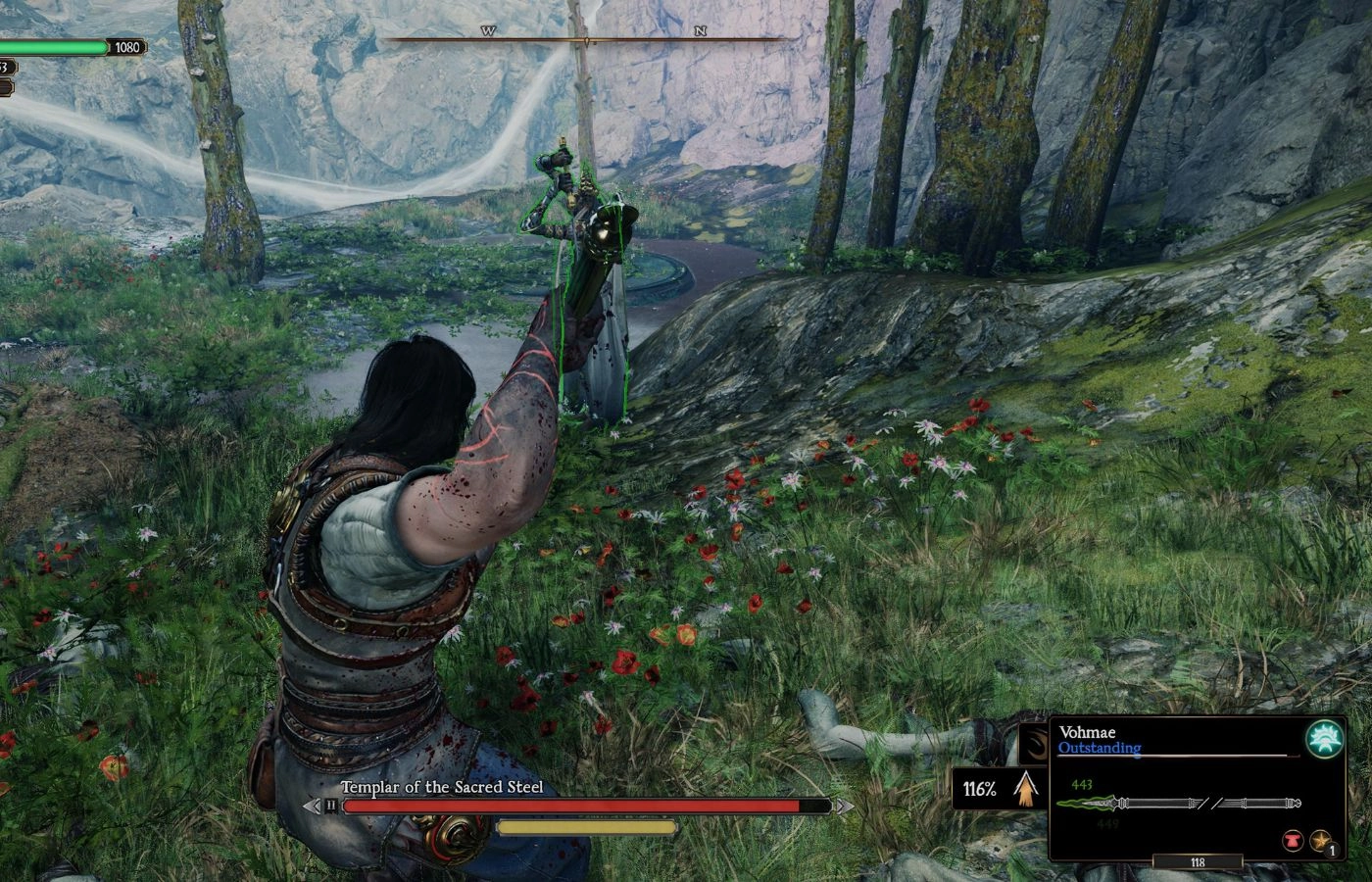
Combat is less about having the biggest sword and overpowering enemies, and more about puzzle-solving. Locking on to an enemy reveals areas where your weapon will be effective, correlating with the face buttons of your controller.
I truly mean this: I’ve never used so many buttons in my life. Between the constant balance of blocking and stamina recovery, dodging, and pressing the right button to hit the enemy with the correct attack, every battle is intense. But it’s never a chore, always enjoyable, and engrossing to the point that you want to respawn every enemy so you can keep the flow moving.
On the other hand, this is still very much an action RPG. Nothing can hide the fact that Blades of Fire bears many resemblances to the Soulsborne genre. If that bothers you, don’t play it because you’ll only annoy yourself. If you think you can put up with it on the easiest difficulty (yes, there’s an easy mode), then dive right in. It’s seriously worth leaving your comfort zone for.
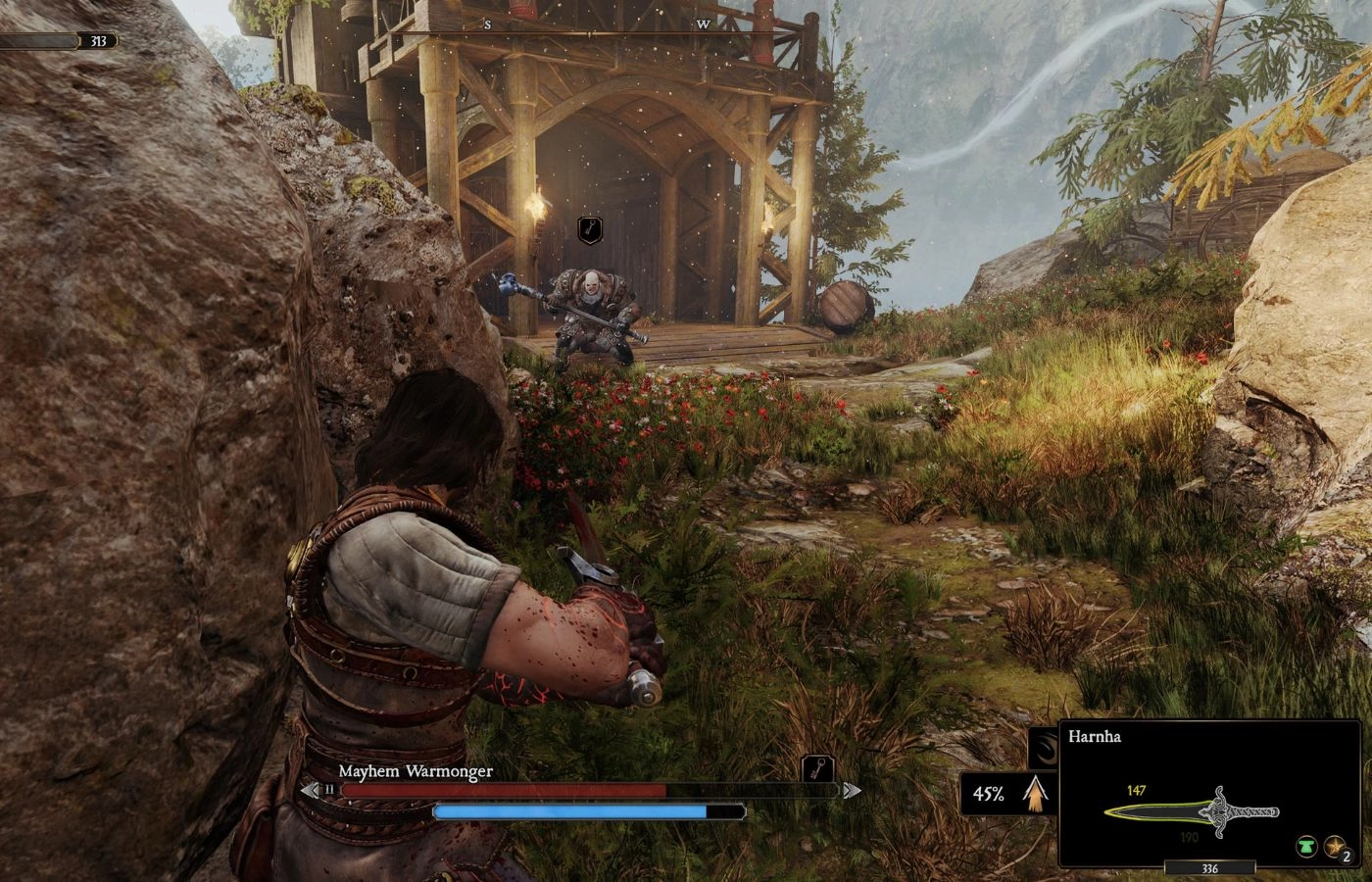
Every moment from start to finish in this game is made brilliant by its mechanics. You’re forever checking your weapons to see if any of them are near-breaking point, warranting a repair. Every hit dulls blades, so you must manage sharpening, which breaks down said weapons. Oh, and you’ve also got to keep an eye on all the new scrolls you’ve acquired to see if it’s time to forge a new weapon to slice your way through the current region with.
A huge part of what has kept me playing well into the early morning is the narrative itself. You’ve always got a reason to fight, the characters are fantastic, and the bond that grows between Aran and Adso is beautiful. These two are thrown together in utter chaos, but form a father and son without a blood bond that I’ve fallen in love with.
Blades of Fire isn’t some little small indie, but it’s got the soul of one. It was clearly built to push boundaries, and it more than does so. This is the next game to change what soulslikes are, but it’s definitely not made for everyone. If you don’t hate games in this vein and are looking for something unlike anything you’ve ever played, spend your cash on this game and wait for the current big AAA to go on sale.
Thanks for reading through my little, spoiler-free, love letter and pre-review for Blades of Fire. If you want to read about some other awesome games, then check out our indie games coverage and consider helping us write about even more of them by following the Patreon link at the top of the page.
Before you head off to scroll on social media or maybe do what I do a lot of the time and get sucked into a video essay on YouTube, check out Cande’s phenomenal The Egg Files column on Lost Records. I promise it’ll blow your mind.
About the Author

Discover more from Bonus Action
Subscribe to get the latest posts sent to your email.